The Tories introduced the 50% strike ballot threshold to make industrial action harder. MATT WRACK argues that a Labour government has no justification for leaving it on the statute book


 Latest editorial
The new normal?
Heatwaves show the difficulty of assessing extreme weather events in a changing climate, write ROX MIDDLETON, LIAM SHAW and JOEL HELLEWELL
 The sun sets in Chesterton, Warwickshire, amid the heatwave in 2020

In the wake of Ann Widdecombe’s murder, JOHN GREEN wonders whether the government will really get to grips with the root cause of these attacks on our MPs
The new PM’s opening addresses offered hope, council homes and reform — but little detail on how any of it will be delivered, warns CLAUDIA WEBBE
Despite the screeching from the right-wing media, Burnham’s speech chimed with the public mood - and socialists should take advantage, says Morning Star editor BEN CHACKO
Scotland's Labour leader cannot continue to evade responsibility for the party's decline, argues LAUREN HARPER
Nature as well as society works dialectically, asserts the Marx Memorial Library and Workers’ School



AT THE end of March the Met Office announced that it was increasing the heatwave threshold for eight English counties by one degree Celsius. It attributed this change to increasing global temperatures due to climate change.
A heatwave is defined as at least three consecutive days with maximum temperatures meeting or exceeding a threshold.
Within Britain, the exact threshold varies across the counties due to their different average temperatures. Counties with higher average temperatures will have a higher threshold required for a heatwave to be declared.

Similar stories

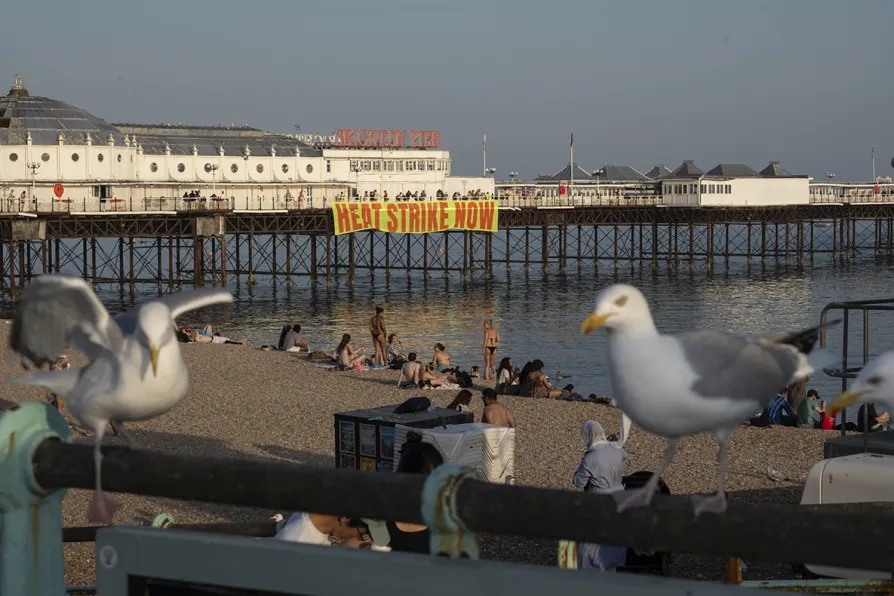
Unions and climate activists pressure government to consider legislation for maximum working temperature

The recent heatwaves revealed how ill-prepared Britain remains for a hotter future – and how unequal the ability to cope with it has become, write ROX MIDDLETON, LIAM SHAW and MIRIAM GAUNTLETT

Extreme heat is now one of the defining public health challenges of a warming world, explains Prof IAN WILLIAMS