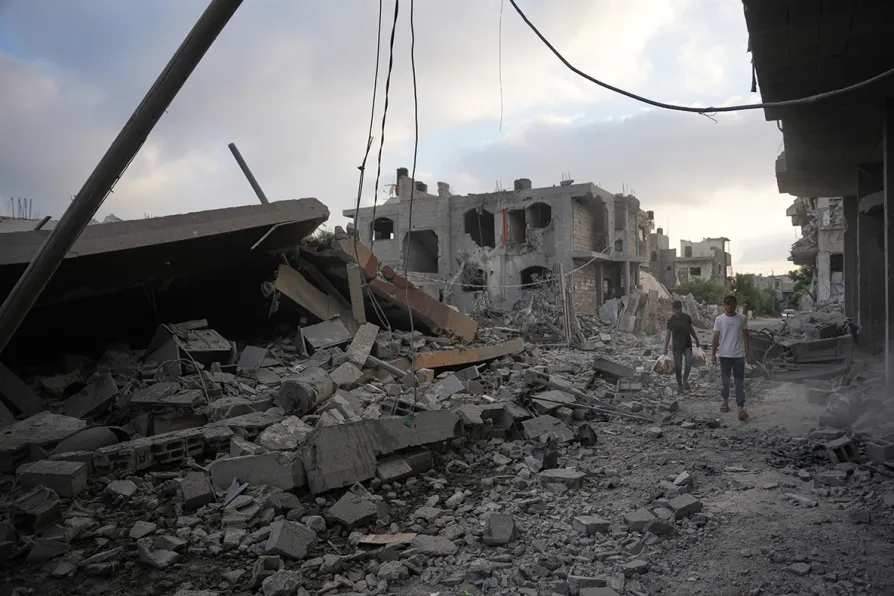
While international actors discuss governance and reconstruction, Netanyahu has made it clear that Israel has no intention of ending its military occupation, says RAMZY BAROUD


 Latest editorial
Beyond scepticism: understanding the role of Brics+ in global progress
JENNY CLEGG sets out and then responds to eight key doubts about the Brics+ alliance in light of the developments at Kazan, arguing it represents a significant challenge to US hegemony and provides a path towards a multipolar world
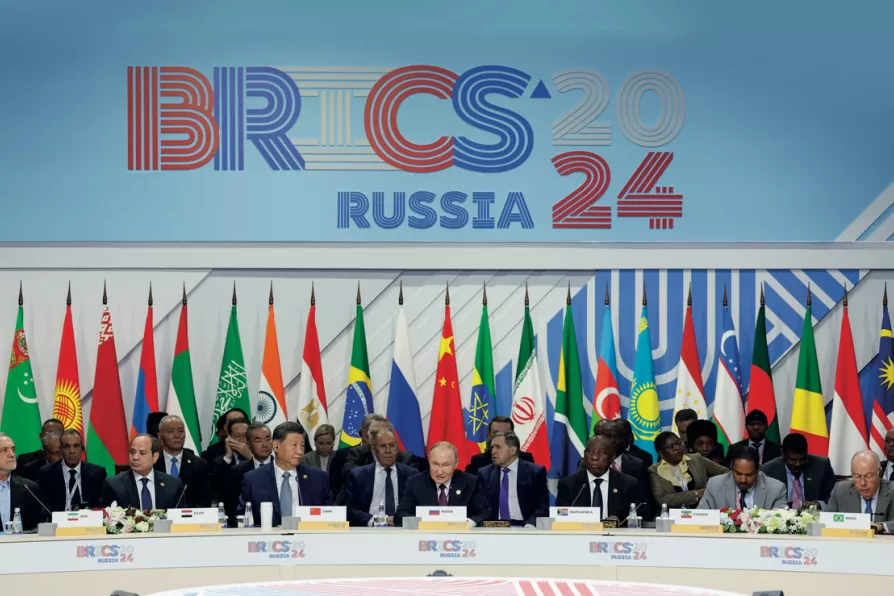 (Left to right) Iranian President Masoud Pezeshkian, Egyptian President Abdel Fattah el-Sisi, Chinese President Xi Jinping, Russian President Vladimir Putin, South African President Cyril Ramaphosa, Ethiopian Prime Minister Abiy Ahmed and Brazilian Foreign Minister Mauro Vieira in Kazan, Russia, October 202
NICK WRIGHT continues his series analysing the trends in European politics
We have the alternative economics, histories of our struggles and the confidence to change the world
General Federation of Trade Unions assistant general secretary HENRY FOWLER reports on the final day from the GFTU’s residential Summer School at the Workers’ Retreat, Quorn Grange Hotel
Capitalism has exploited — and polluted — our natural resources for too long, it’s time we treated our rivers as living beings, writes MIRIUM GAUNTLETT, LIAM SHAW and ROX MIDDLETON
Treating the Clacton by-election as a joke risks reinforcing the Reform leader’s claim to be the victim of an out-of-touch Establishment, argues JOHN McINALLY
MPs and others called for the urgent release of tortured Palestinian doctor, Hussam Abu Safiya, held hostage by Israel and reportedly near death, reports LINDA PENTZ GUNTER


THE Brics+ Kazan summit in Russia stood out as a pillar of stability in an increasingly volatile and dangerous world. With wars raging in Ukraine and the Middle East, pushing the UN system to breakdown, it kept the spirit of multilateralism alive.
Gathering leaders and representatives from 36 countries, the meeting was the first for the enlarged grouping, which last year added UAE, Ethiopia, Egypt and Iran to the existing Russia, China, India, Brazil and South Africa.
The rise of the Brics+ has divided left opinion. Supporters claim it to be transformative, tipping the global balance against the G7 and spelling the end of US hegemony as bearers of a new international financial order and a more peaceful world.

Similar stories
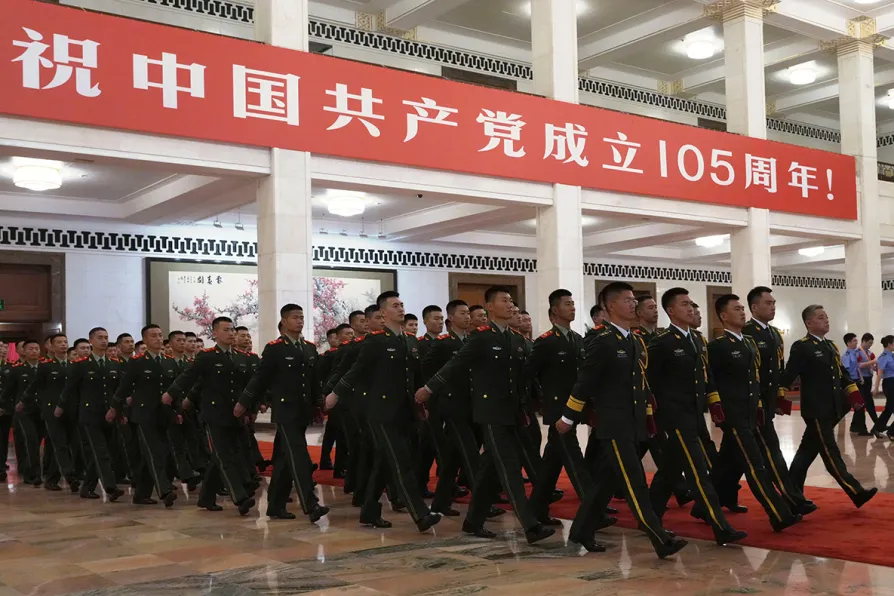
Marking milestones in the histories of China and the United States, this week offers a chance to examine two very different visions of the international order, says CARLOS MARTINEZ
ZHANG HE highlights pressure coming from the global South for a more multilateral approach to global governance and a more equitable world order
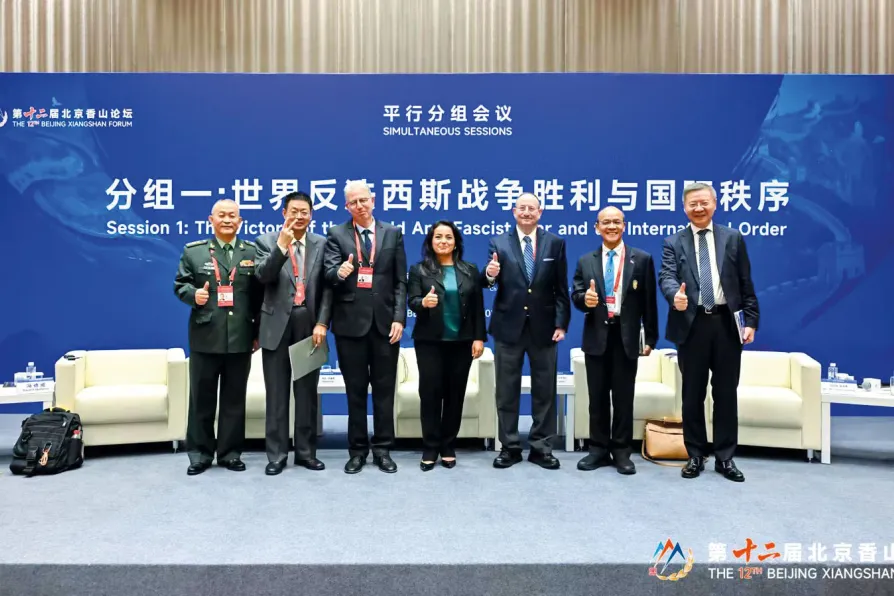
In a speech to the 12th Xiangshan Forum in Beijing, SEVIM DAGDELEN warns of a growing historical revisionism to whitewash Germany and Japan’s role in WWII as part of a return to a cold war strategy from the West — but multipolarity will win out
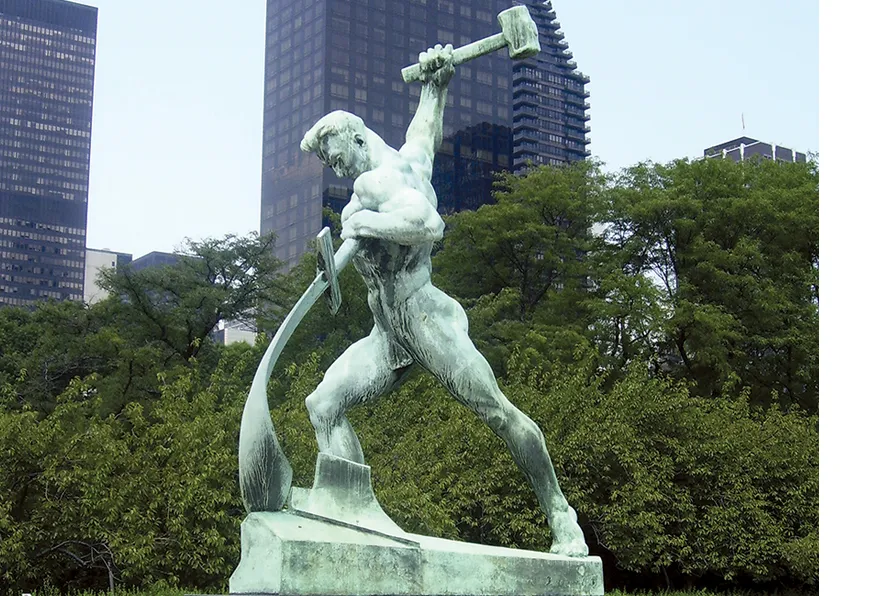
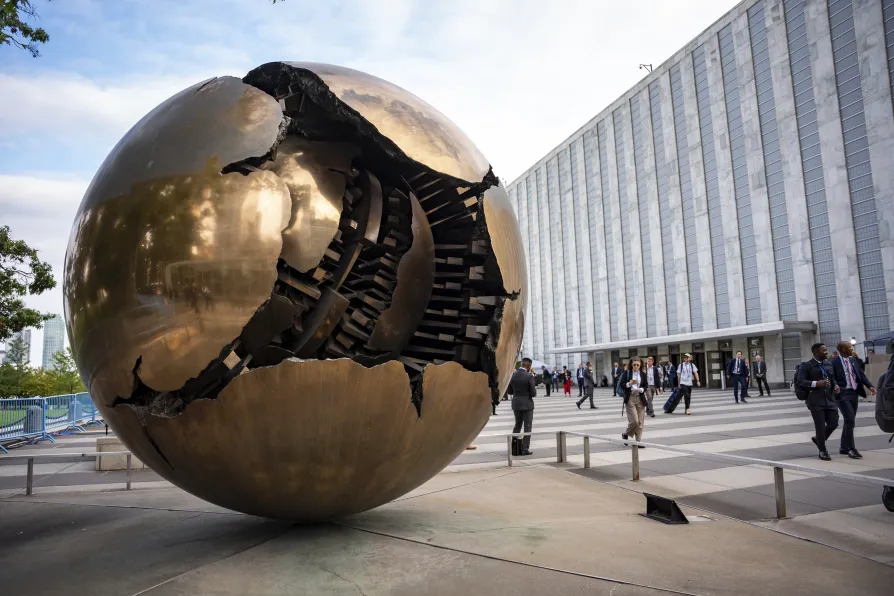
The colonial mindset behind the governance of the UN is the reason for its inertia when it comes to conflict resolution, argues ROGER McKENZIE – but can China’s Global Governance Initiative point in a new direction of global equality?