MIK SABIERS revels in a band that ploughs an idiosyncratic furrow of expletive laden, guitar-driven alt rock


 Latest editorial
Squid
In search of answers to what makes the mysterious cephalopod tick
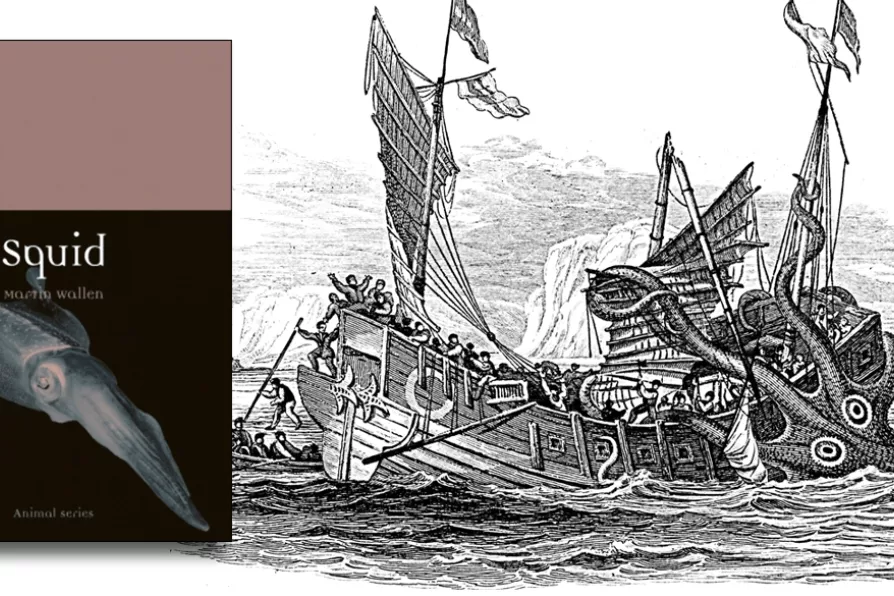 STUFF OF NIGHTMARES: A kraken attacking a merchant ship, 1810, by Pierre Denys de Montfort

ANDY HEDGECOCK, MARIA DUARTE and ANGUS REID review Synthetic Sincerity, Our Hero, Balthazar, Heartstopper Forever, and A Year In London
The bard invites readers to a gig, raps for Clacton, and lays out the Burnham-Hurzeler conundrum
RON JACOBS recommends an important book that enhances the oppositional theories put forth by Fanon and, in doing so, remakes psychology itself
JAN WOOLF relishes an extensive history of our long relationship to trees in Britain that underlines the current emergency
DIANE WATT argues that while evidence of sex is not there, a 16th‑century lesbian poet could be Scotland’s answer to Gentleman Jack
KEITH RICHMOND relishes a superbly conceived modern version of Aeschylus’ drama of murderous family succession




REAKTION Books has carved out a niche in the market with its fascinating animal series. Since launching some 20 years ago, it’s applied a natural sciences and humanities approach to explore everything from elephants to ants, looking at how the species have been impacted by humans around the world. It’s a method that’s continued by Martin Wallen in Squid.
He brings an academic lens to the subject, tracing the deep-sea terror of kraken mythology through to the contemporary scientific understanding of the cephalopod, two perspectives brought together by an exploration of how they’re represented in art and literature.
Supported by intriguing titbits of information about their biology, Wallen frequently stresses the “unknowability” of squid to science — their oesophagus passes through their brain, their movement and vision are simultaneous kinetically and their eating habits are fearsome — they “prey on almost anything that does not eat them first.” This unknowability inspires fear in the way they could prosper at the expense of humans.

Similar stories

Nature as well as society works dialectically, asserts the Marx Memorial Library and Workers’ School

As Palestine Action prisoners go weeks without food, alleging dangerous neglect and detention without trial, campaigners warn that a near-total media blackout is hiding a crisis that could turn fatal – and fuel a growing wave of public anger. ELIZABETH SHORT reports
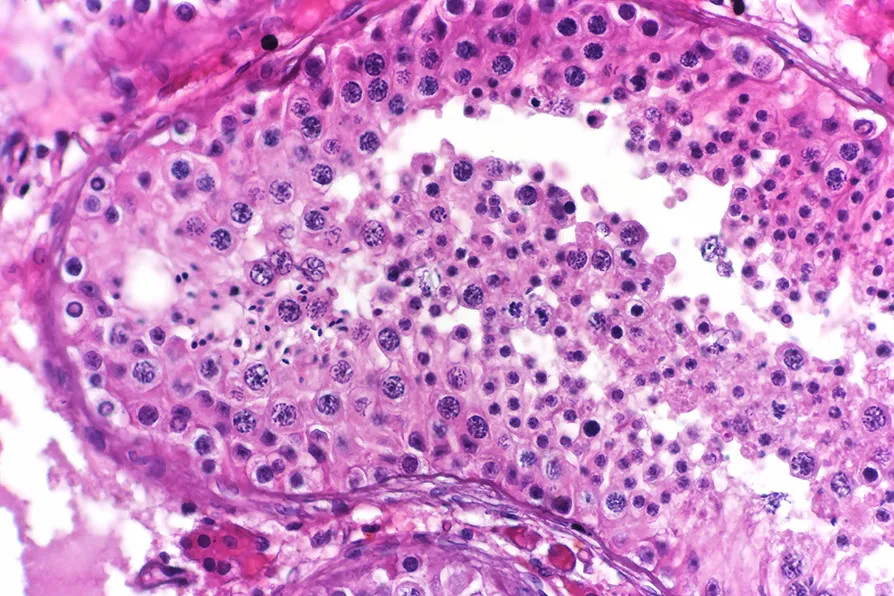
New research into mutations in sperm helps us better understand why they occur, while debunking a few myths in the process, write ROX MIDDLETON, LIAM SHAW and MIRIAM GAUNTLETT

GORDON PARSONS is enthralled by an erudite and entertaining account of where the language we speak came from