While international actors discuss governance and reconstruction, Netanyahu has made it clear that Israel has no intention of ending its military occupation, says RAMZY BAROUD


 Latest editorial
The colour of catastrophe
Coral reefs are currently undergoing the most extensive planet-wide bleaching on record, write ROX MIDDLETON, LIAM SHAW and MIRIAM GAUNTLETT
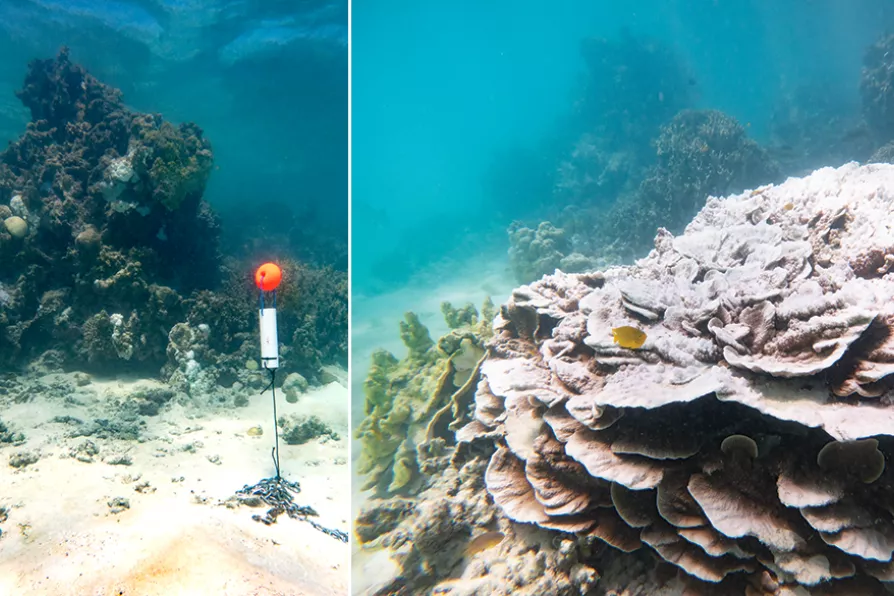 ARMAGEDON: (L to R) Bleached plate coral at One Tree Island, Great Barrier Reef; Temperature logger in situ, both pics April 2024
[John Turnbull/flickr/CC]
ARMAGEDON: (L to R) Bleached plate coral at One Tree Island, Great Barrier Reef; Temperature logger in situ, both pics April 2024
[John Turnbull/flickr/CC]
NICK WRIGHT continues his series analysing the trends in European politics
We have the alternative economics, histories of our struggles and the confidence to change the world
General Federation of Trade Unions assistant general secretary HENRY FOWLER reports on the final day from the GFTU’s residential Summer School at the Workers’ Retreat, Quorn Grange Hotel
Capitalism has exploited — and polluted — our natural resources for too long, it’s time we treated our rivers as living beings, writes MIRIUM GAUNTLETT, LIAM SHAW and ROX MIDDLETON
Treating the Clacton by-election as a joke risks reinforcing the Reform leader’s claim to be the victim of an out-of-touch Establishment, argues JOHN McINALLY
MPs and others called for the urgent release of tortured Palestinian doctor, Hussam Abu Safiya, held hostage by Israel and reportedly near death, reports LINDA PENTZ GUNTER




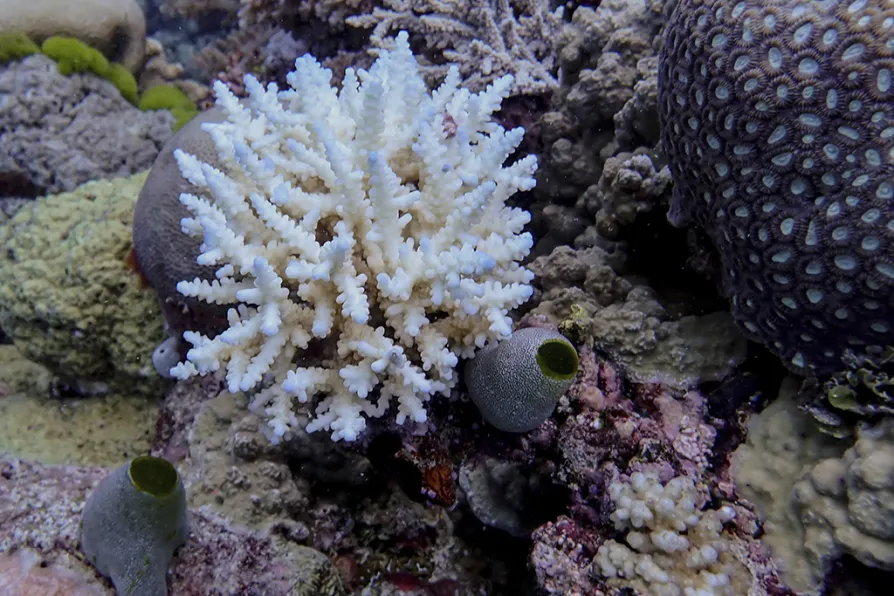
CORALS are symbiotic, meaning they depend on a relationship with another biological organism. Microbes called zooxanthellae live inside the structures corals build out of calcium carbonate.
The microbes photosynthesise, providing corals with energy and nutrients. They also give corals their characteristic vivid colours. However, when corals are placed under stress, they will expel their resident zooxanthellae, turning the coral white.
By far the most serious cause of this stress-related bleaching is warming water. Corals have a typical temperature range they are happy with, and when water temperatures exceed that — particularly for long periods — they bleach.
The bleaching is not merely an aesthetic concern: the expulsion of the zooxanthellae means the corals have lost their main source of food. They may not initially die but they are vulnerable, susceptible to disease and starvation. Longer periods of bleaching and they will die.
When the water temperature becomes too hot, a colourful reef can be transformed into a graveyard. The tropical paradise disappears; as corals die and turn white, a brown algal sludge spreads.

Similar stories
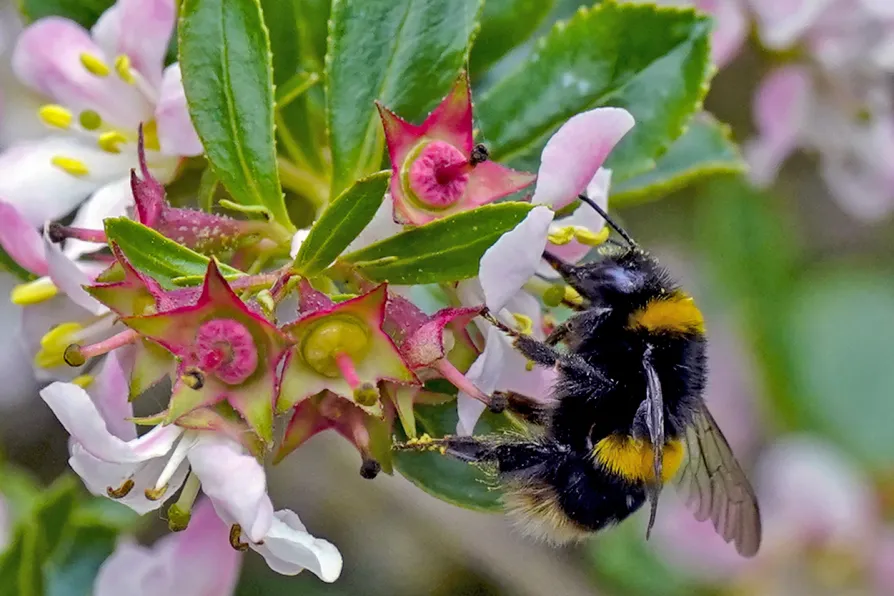
Rising temperatures and human activity are making life far harder for these vital pollinators. ALEX DITTRICH explains

Extreme heat is now one of the defining public health challenges of a warming world, explains Prof IAN WILLIAMS
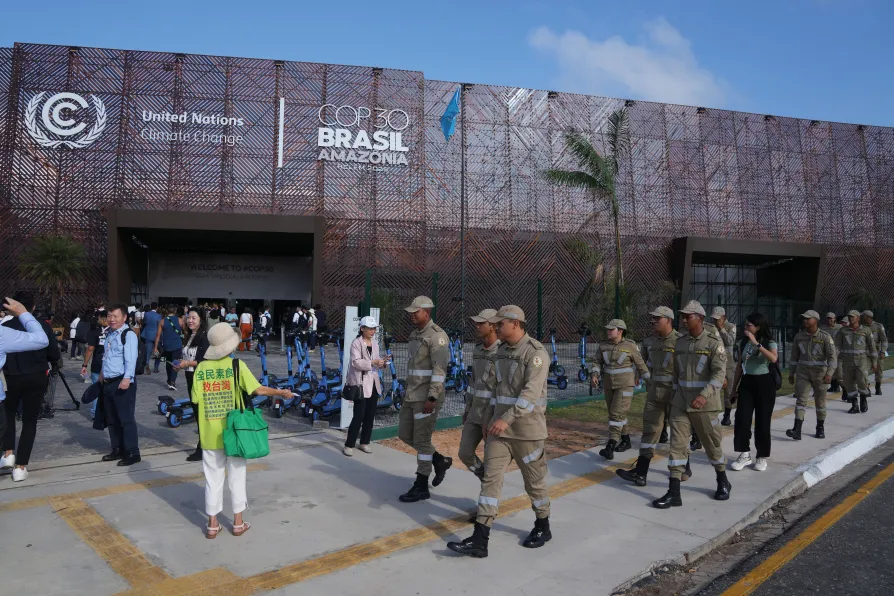
Reaching co-operation is supposed to be the beginning, not the end, of global climate governance, argues LISA VANHALA