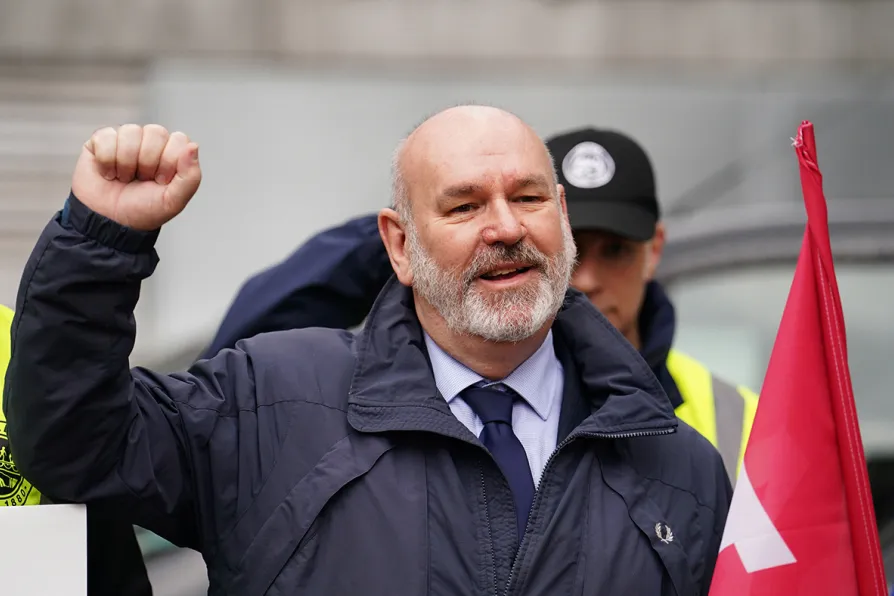
While international actors discuss governance and reconstruction, Netanyahu has made it clear that Israel has no intention of ending its military occupation, says RAMZY BAROUD


 Latest editorial
Trade unions and the Labour Party must walk hand in hand
MICK WHELAN, general secretary of Aslef, the train drivers’ trade union, explains the background to the Labour-union link, and the importance of electing a Labour government on December 12
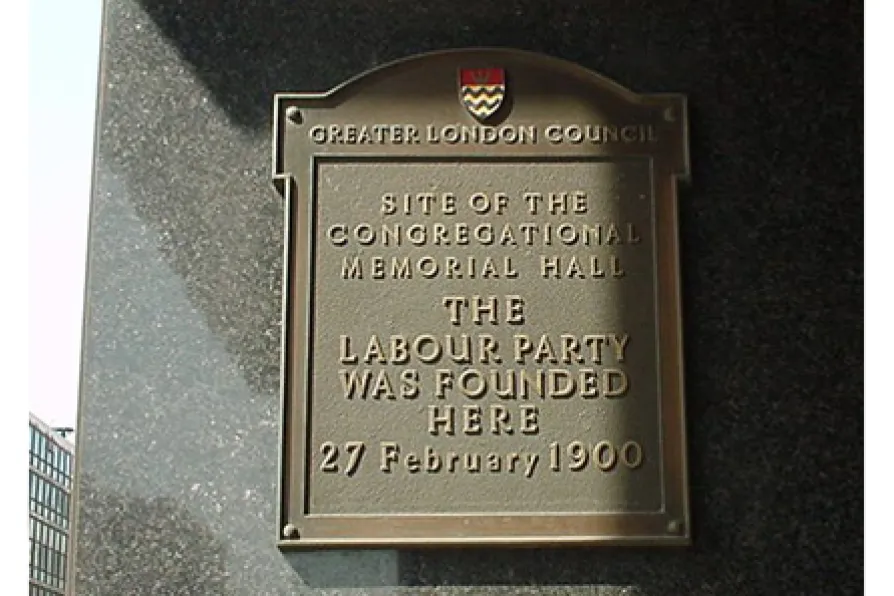 The plaque noting the site where Labour was founded in 1900
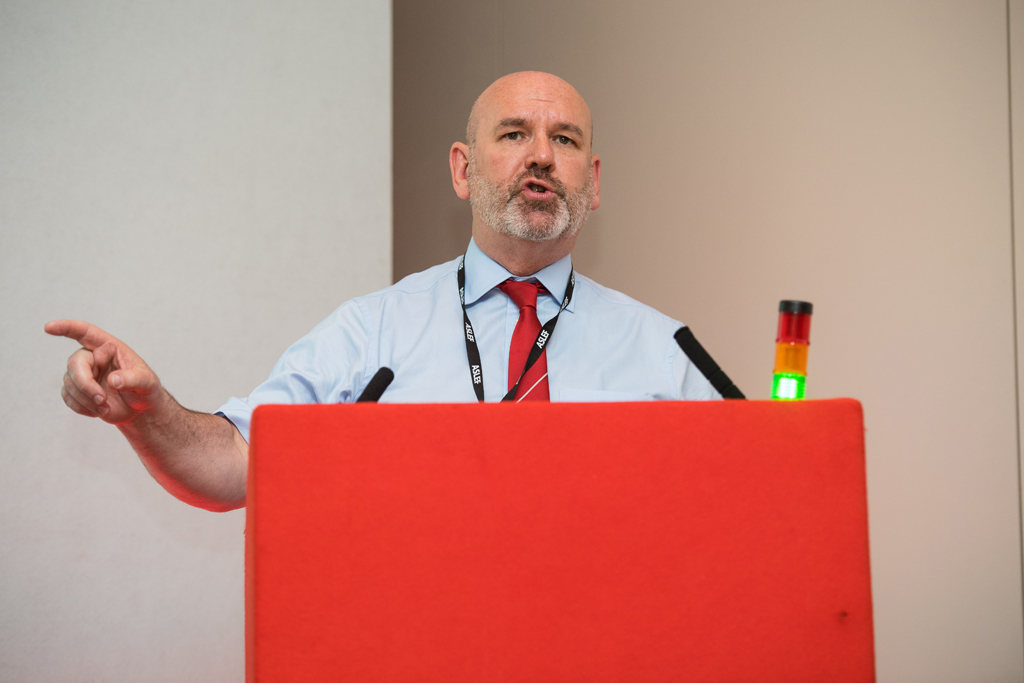

NICK WRIGHT continues his series analysing the trends in European politics
We have the alternative economics, histories of our struggles and the confidence to change the world
General Federation of Trade Unions assistant general secretary HENRY FOWLER reports on the final day from the GFTU’s residential Summer School at the Workers’ Retreat, Quorn Grange Hotel
Capitalism has exploited — and polluted — our natural resources for too long, it’s time we treated our rivers as living beings, writes MIRIUM GAUNTLETT, LIAM SHAW and ROX MIDDLETON
Treating the Clacton by-election as a joke risks reinforcing the Reform leader’s claim to be the victim of an out-of-touch Establishment, argues JOHN McINALLY
MPs and others called for the urgent release of tortured Palestinian doctor, Hussam Abu Safiya, held hostage by Israel and reportedly near death, reports LINDA PENTZ GUNTER


PEOPLE often ask me – especially during a general election campaign – why the Labour Party is so close to the trade union movement. Probably because most school history lessons are long on Kings and Queens of the Middle Ages and short on more recent social and industrial history. Although, when I say recent, I am talking about 120 years ago!
The answer to the question, though, is simple. It’s because the Labour Party was formed by the trade unions. I know my industrial and labour movement history and, even if I didn’t, I would be reminded because I pass a plaque to that fact every day.
Trade unions formed the Labour Representation Committee on February 27 1900 at a meeting in the Congregational Memorial Hall – it is often said that the Labour Party owes more to Methodism than Marxism! – in Farringdon, central London, a few hundred yards from the Aslef head office.
The Conservative Party represented the interests of the landed aristocracy; the Liberal Party the interests of the mill owners and industrialists who had made their money in the Victorian era; and the trade unions – struggling then, as now, for decent wages, terms and conditions for ordinary hard-working men and women – wanted, understandably, a political party to represent them.

Similar stories
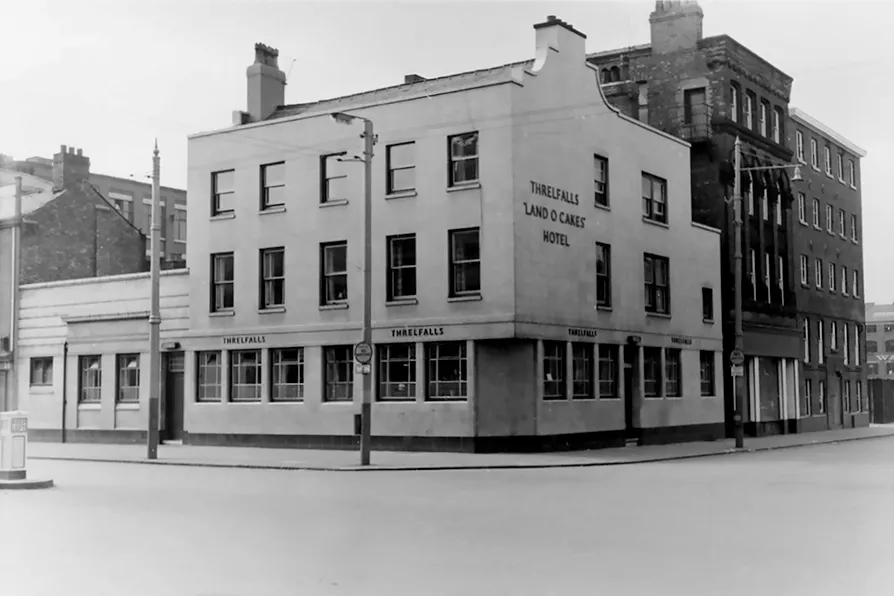
KEITH FLETT looks at geographical roots of working-class activism in Britain
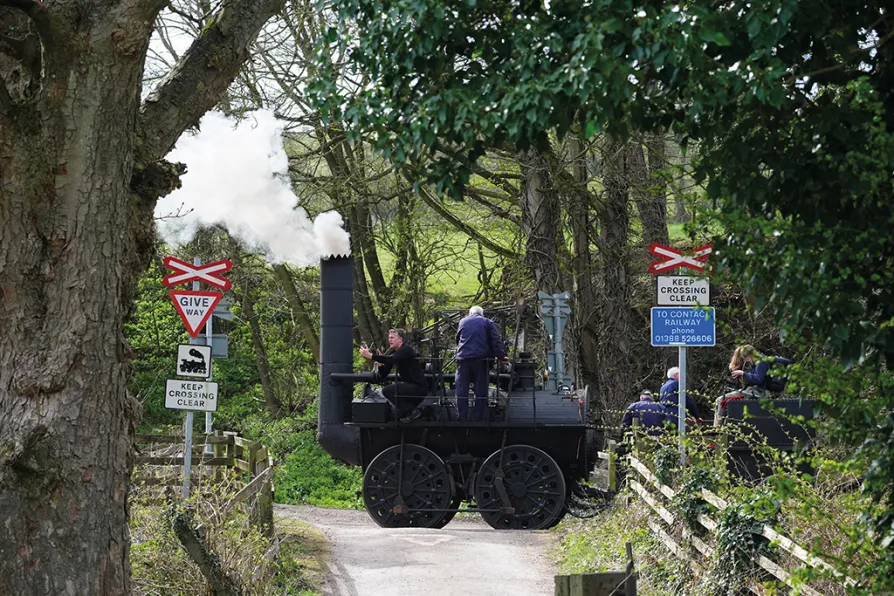
Two-hundred years ago, on September 27 1825, the world’s first passenger railway line was opened between Stockton and Darlington. MICK WHELAN, general secretary of Aslef, the train drivers’ union, reflects on the history – and the future – of Britain’s railway industry
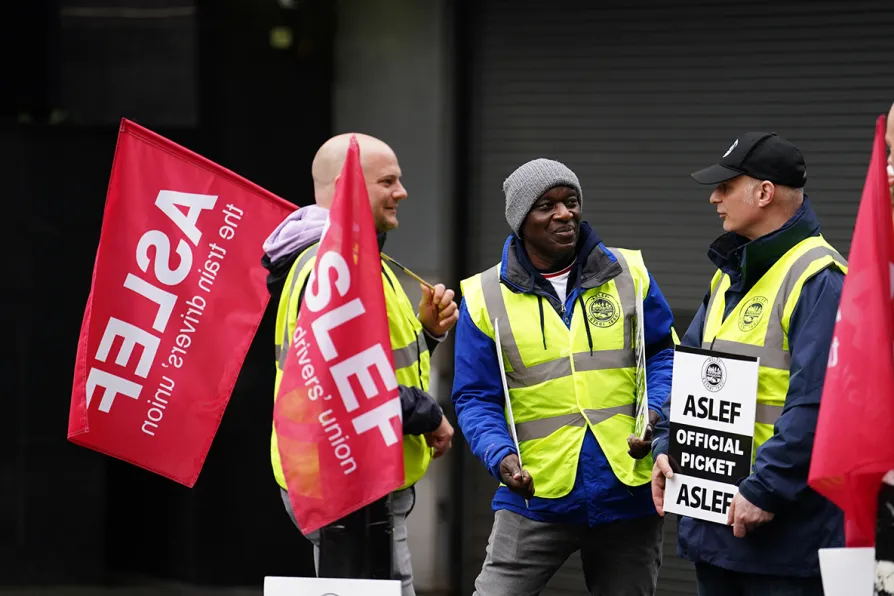
On the eve of the 157th Trades Union Congress, MICK WHELAN, general secretary of Aslef, the train drivers’ union, celebrates victory in his campaign to get dignity for drivers at work