The Tories introduced the 50% strike ballot threshold to make industrial action harder. MATT WRACK argues that a Labour government has no justification for leaving it on the statute book


 Latest editorial
The bumpy road to polio eradication
After a four-decade worldwide battle with the disease, only Pakistan and Afghanistan now have reported cases of the disease. ROX MIDDLETON, LIAM SHAW and JOEL HELLEWELL explain the science behind driving polio to extinction
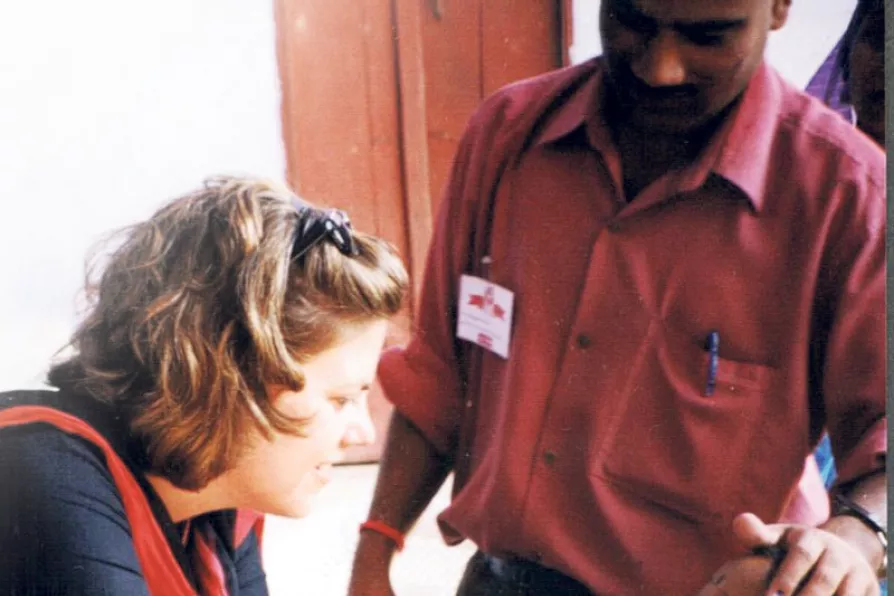 The polio vaccine being given orally in India

In the wake of Ann Widdecombe’s murder, JOHN GREEN wonders whether the government will really get to grips with the root cause of these attacks on our MPs
The new PM’s opening addresses offered hope, council homes and reform — but little detail on how any of it will be delivered, warns CLAUDIA WEBBE
Despite the screeching from the right-wing media, Burnham’s speech chimed with the public mood - and socialists should take advantage, says Morning Star editor BEN CHACKO
Scotland's Labour leader cannot continue to evade responsibility for the party's decline, argues LAUREN HARPER
Nature as well as society works dialectically, asserts the Marx Memorial Library and Workers’ School




ERADICATION is the final frontier in suppressing disease. Once truly eradicated, a disease is no longer a threat to people because there are simply no reservoirs of “wild” viruses left to infect anyone. If it were an organism, the virus would be called extinct in the wild. Eradication is extremely ambitious. Only two diseases have ever been globally eradicated by humans — smallpox in 1980 and rinderpest (a disease of cattle) in 2011 — but finally polio is on the brink.
Over the past 40 years, a worldwide public-health campaign has administered billions of doses of oral polio vaccine, bringing the number of cases of wild poliovirus down from about 400,000 cases per year in 1980 to just 33 last year.
In 2018, Pakistan and Afghanistan were the only two countries in the world to report cases. The final stages of eliminating a disease are the hardest and require the most intense effort because stopping the last few infections is crucial to stop the disease bouncing back. Understandably, near-elimination is also the time when people are most likely to take their foot off the gas, because the disease is no longer such a noticeable problem.

Similar stories
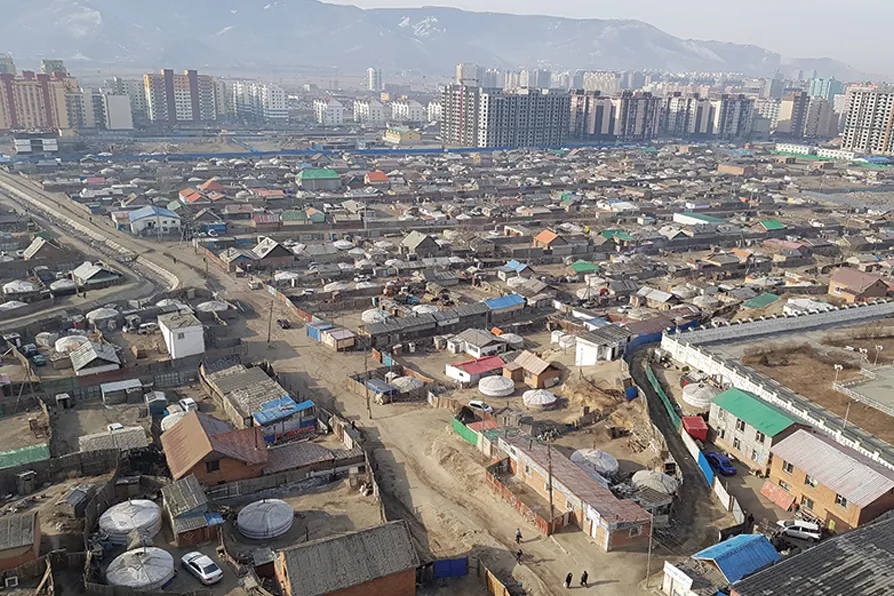
Coal-fired stoves in traditional homes are the primary source of extreme levels of air pollution in over-crowded Ulaanbaatar. As more people become climate-displaced, the situation is likely to worsen, write SCIENCE AND SOCIETY
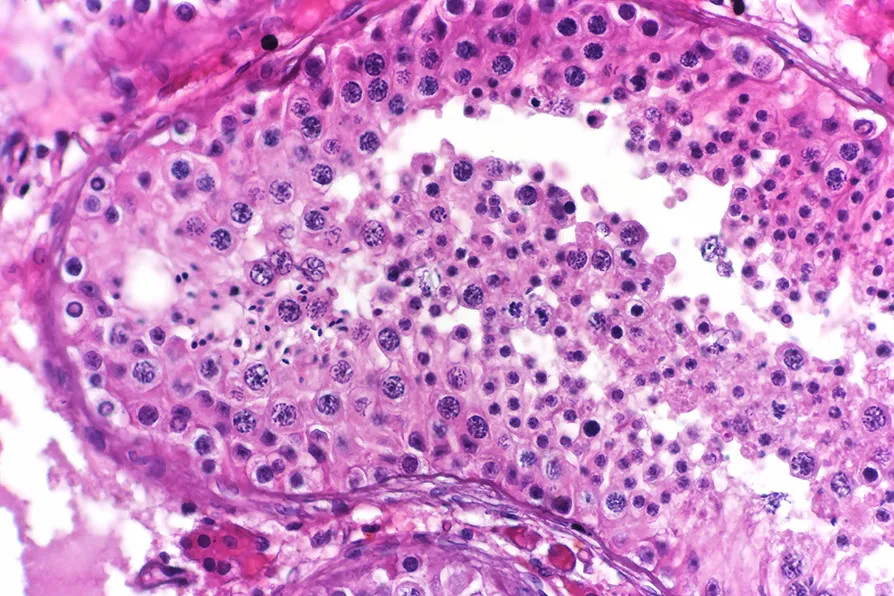
New research into mutations in sperm helps us better understand why they occur, while debunking a few myths in the process, write ROX MIDDLETON, LIAM SHAW and MIRIAM GAUNTLETT