Latest editorial
 The 1858 malodorous heatwave was linked to outbreaks of disease

by Nana Backland, Merseyside Morning Star Readers & Supporters Group
The Tories introduced the 50% strike ballot threshold to make industrial action harder. MATT WRACK argues that a Labour government has no justification for leaving it on the statute book
In the wake of Ann Widdecombe’s murder, JOHN GREEN wonders whether the government will really get to grips with the root cause of these attacks on our MPs
The new PM’s opening addresses offered hope, council homes and reform — but little detail on how any of it will be delivered, warns CLAUDIA WEBBE
Nature as well as society works dialectically, asserts the Marx Memorial Library and Workers’ School


“GENTILITY of speech is at an end — it stinks, and whoso once inhales the stink can never forget it and can count himself lucky if he lives to remember it.”
This is how the City Press described the smell emanating from the River Thames during the unusually hot summer of 1858.
With temperatures passing 40°C, the sun was gently cooking the gigantic stew of sewage, slaughterhouse waste and industrial run-off that flowed into the Thames from the struggling sewer system.
There had been complaints about the smell of the Thames for years before, but the “Great Stink” of 1858 prompted action immediately, in the form of pouring bleach into the river to ease the smell, as well as prompting the construction of over one thousand miles of sewers to cope with the expanding population of London.
Much of this sewer system remains in use today. In addition to the smell, the unsanitary conditions in Victorian London led to frequent cholera outbreaks.
It is hardly surprising that the horrible smell and presence of disease were linked in the minds of Londoners.
The leading theory of disease at the time was that breathing bad air released from decomposing matter caused illnesses such as cholera, typhoid, tuberculosis and malaria (the name of which derives from the Italian mala aria — meaning “bad air)”.

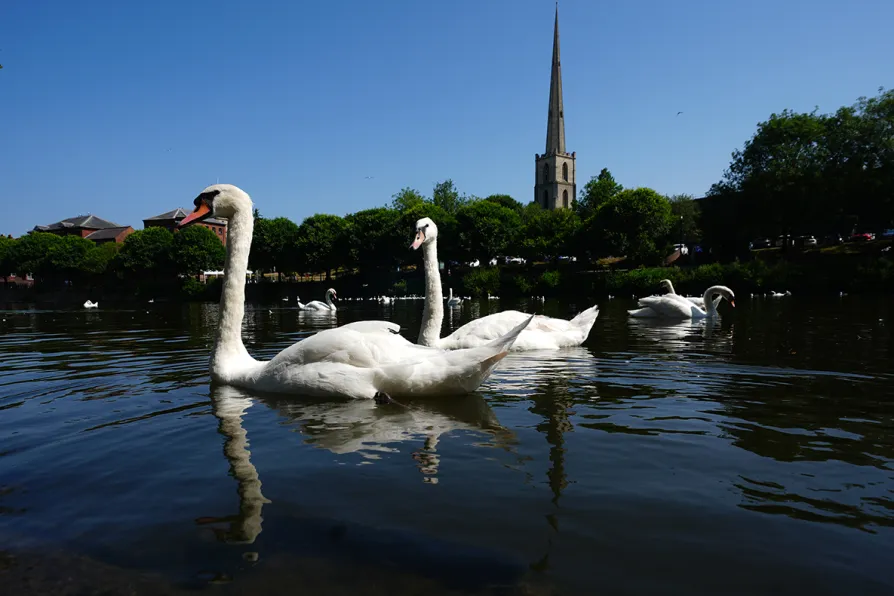
Capitalism has exploited — and polluted — our natural resources for too long, it’s time we treated our rivers as living beings, writes MIRIUM GAUNTLETT, LIAM SHAW and ROX MIDDLETON

Extreme heat is now one of the defining public health challenges of a warming world, explains Prof IAN WILLIAMS

Coal-fired stoves in traditional homes are the primary source of extreme levels of air pollution in over-crowded Ulaanbaatar. As more people become climate-displaced, the situation is likely to worsen, write SCIENCE AND SOCIETY