The Tories introduced the 50% strike ballot threshold to make industrial action harder. MATT WRACK argues that a Labour government has no justification for leaving it on the statute book


 Latest editorial
Grunwick: police propaganda and government credulity
SOLOMON HUGHES has obtained the hyperbolic and paranoid police intelligence reports used to justify violence against the famous 1970s strike – disinformation seemingly swallowed whole by the then-governing Labour Party
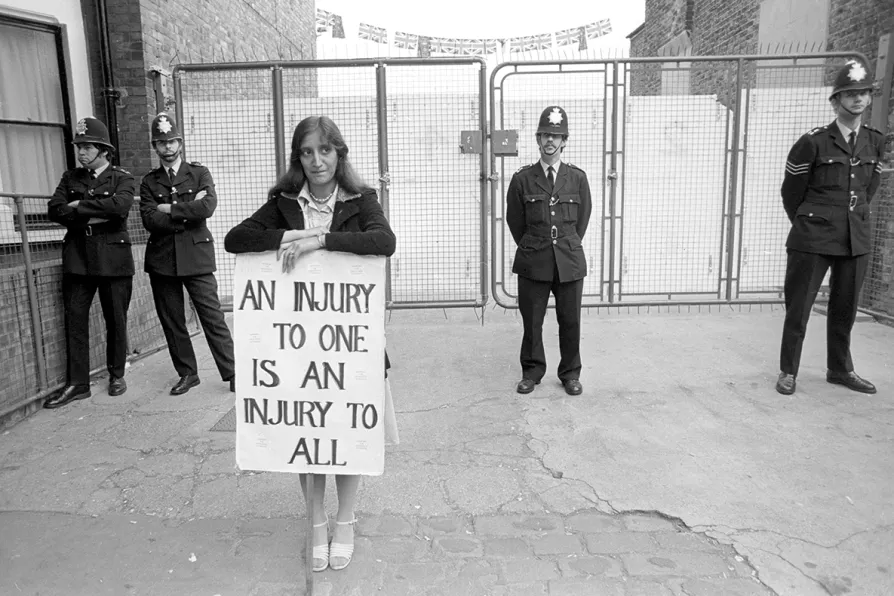 FAMOUR FIGHT: A lone picket is watched by police outside the entrance to the Grunwick film processing plant, July 1977

In the wake of Ann Widdecombe’s murder, JOHN GREEN wonders whether the government will really get to grips with the root cause of these attacks on our MPs
The new PM’s opening addresses offered hope, council homes and reform — but little detail on how any of it will be delivered, warns CLAUDIA WEBBE
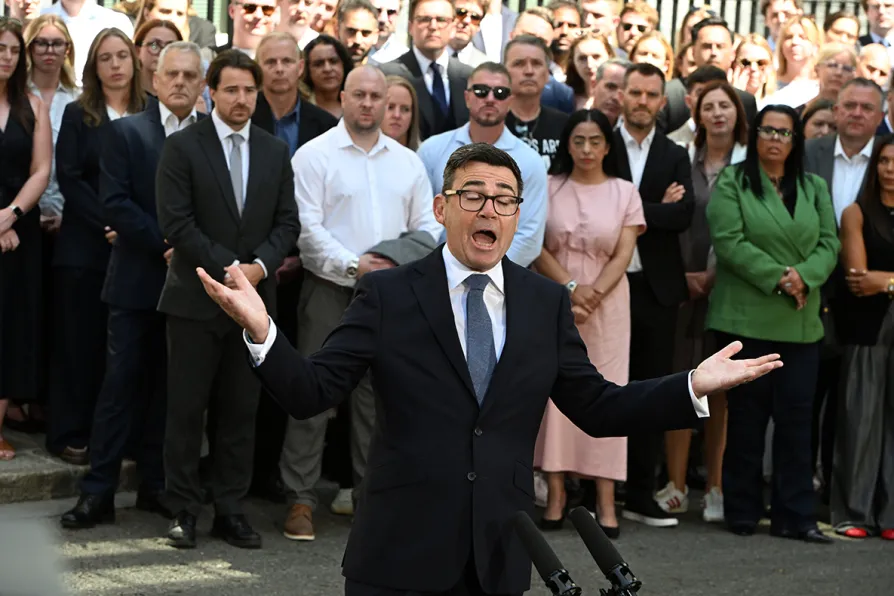
Despite the screeching from the right-wing media, Burnham’s speech chimed with the public mood - and socialists should take advantage, says Morning Star editor BEN CHACKO
Scotland's Labour leader cannot continue to evade responsibility for the party's decline, argues LAUREN HARPER
Nature as well as society works dialectically, asserts the Marx Memorial Library and Workers’ School




I HAVE been looking again through the inches-thick government papers on the 1976-78 Grunwick strike because they give clues to how Labour governments can respond to big strikes.
The papers show that the police carried out intense political surveillance of the strike. They filed reports full of both detail and absurd rumours — like their fears of trade unionists mobilising hit squads of female plumbers or schoolchildren to cause havoc — which Labour ministers accepted without question.
The Grunwick dispute started when a largely Asian workforce in a north London factory went on strike to support a sacked colleague.

Similar stories
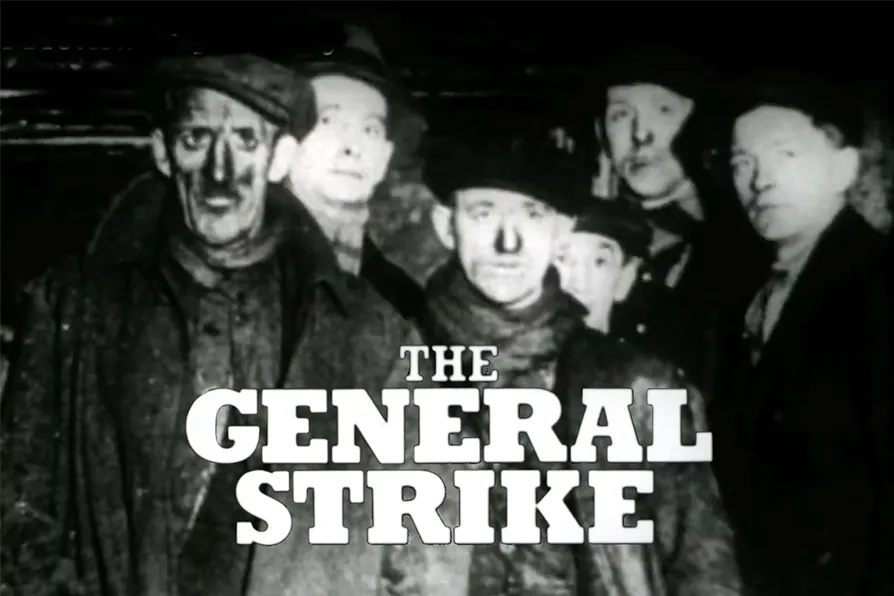
MARY DAVIS welcomes a remarkable documentary about the general strike — politically spot on, and featuring accounts from the strikers themselves — that is available for screenings
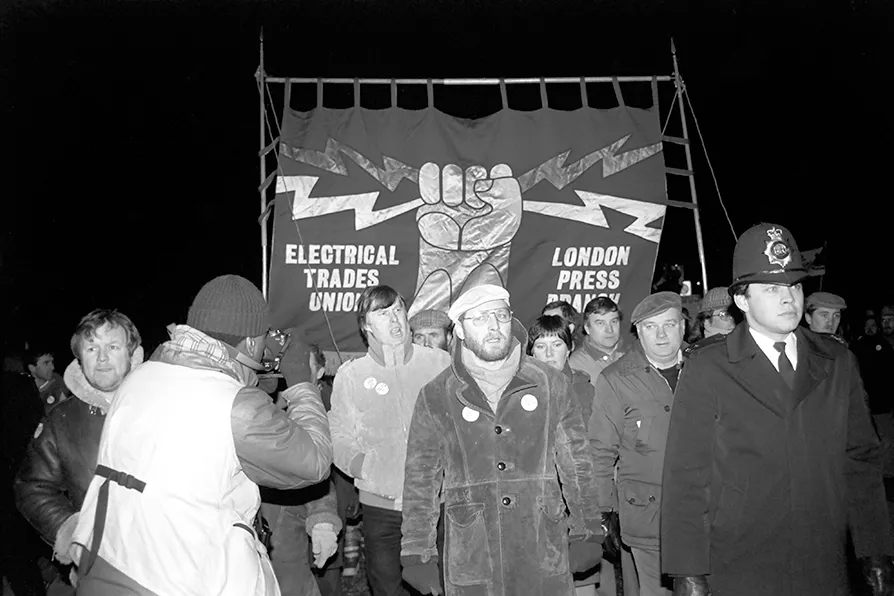
A past confrontation permanently shaped the methods the state will use to protect employers against any claims by their employees, writes MATT WRACK, but unions are readying to face the challenge
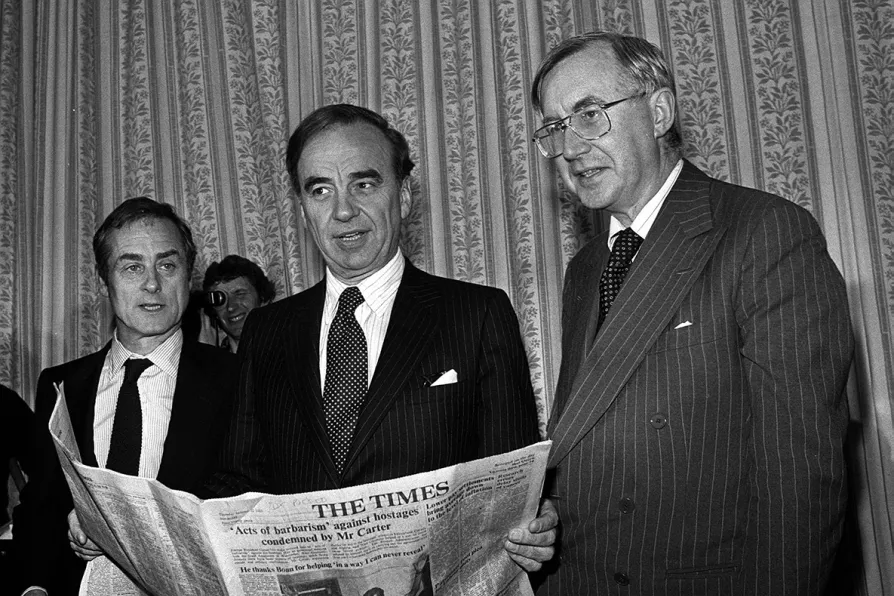
Four decades on, the Wapping dispute stands as both a heroic act of resistance and a decisive moment in the long campaign to break trade union power. Lord JOHN HENDY KC looks back on the events of 1986
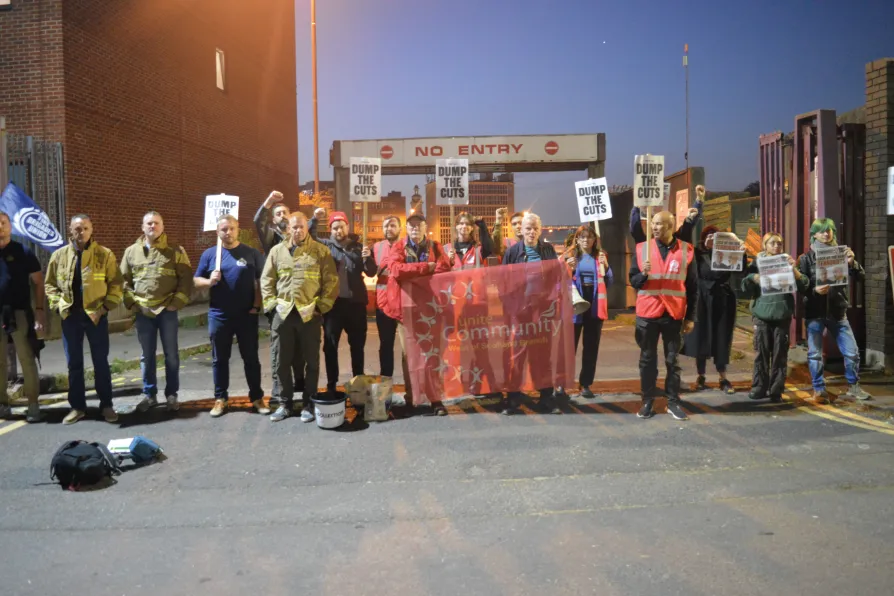
Since 2023, Strike Map has evolved from digital mapping at a national level to organising ‘mega pickets’ — we believe that mass solidarity with localised disputes prepares the ground for future national action, writes HENRY FOWLER