The Tories introduced the 50% strike ballot threshold to make industrial action harder. MATT WRACK argues that a Labour government has no justification for leaving it on the statute book


 Latest editorial
Kennington Common 1848: 100,000 Chartists assemble
Socialist historian KEITH FLETT looks at an enormous but messy day south of the Thames for England’s early working-class movement
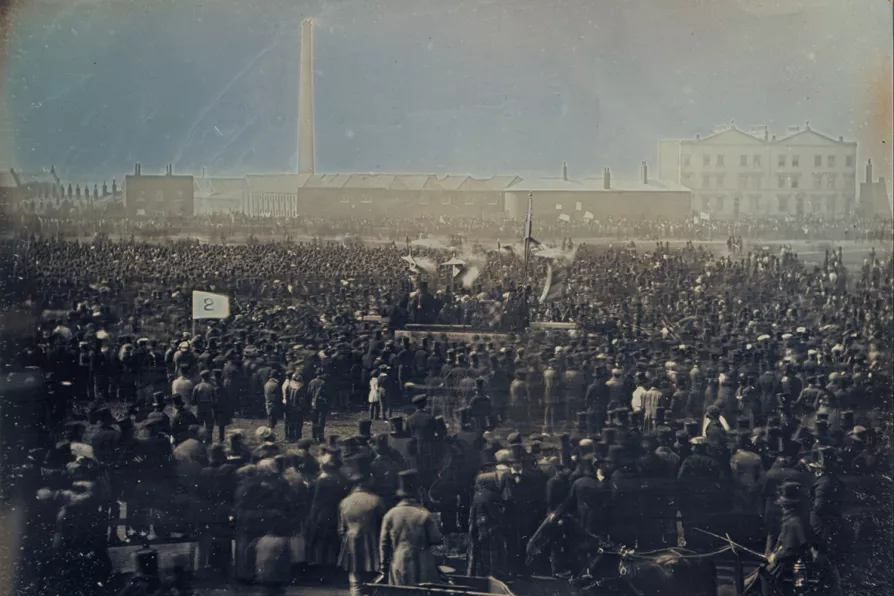 HISTORIC: A daguerrotype, an early form of photograph, captured on the Chartists on Kennington Common, April 1848

In the wake of Ann Widdecombe’s murder, JOHN GREEN wonders whether the government will really get to grips with the root cause of these attacks on our MPs
The new PM’s opening addresses offered hope, council homes and reform — but little detail on how any of it will be delivered, warns CLAUDIA WEBBE
Despite the screeching from the right-wing media, Burnham’s speech chimed with the public mood - and socialists should take advantage, says Morning Star editor BEN CHACKO
Scotland's Labour leader cannot continue to evade responsibility for the party's decline, argues LAUREN HARPER
Nature as well as society works dialectically, asserts the Marx Memorial Library and Workers’ School




ON April 10 1848 the Chartists held a rally to demand the vote for working men on Kennington Common, London. It was the first demonstration in the world to be photographed, and the original picture is held in the King’s Collection at Windsor.
With much of the rest of Europe in turmoil, this gives an indication of how seriously the ruling class took the threat of a revolutionary outbreak. The Queen departed for the Isle of Wight and troops and special constables were mobilised to protect key buildings and deal with any Chartist challenge to power.
The efforts of the state on April 10 1848 are relatively well documented. The Chartist tactics for the demonstration have received less attention.

Similar stories
KEITH FLETT looks at geographical roots of working-class activism in Britain

Labour movement history in Britain shows workers secured reforms through collective pressure and political representation, rather than being gifted from above, writes KEITH FLETT
Inspired by a hit TV show, KEITH FLETT takes a look at the murky history of undercover class war
The summer saw the co-founders of modern communism travelling from Ramsgate to Neuenahr to Scotland in search of good weather, good health and good newspapers in the reading rooms, writes KEITH FLETT