The Tories introduced the 50% strike ballot threshold to make industrial action harder. MATT WRACK argues that a Labour government has no justification for leaving it on the statute book


 Latest editorial
Lockdowns, riots and revolutions
The link between epidemics and revolution has been noted throughout history. KEITH FLETT takes a look
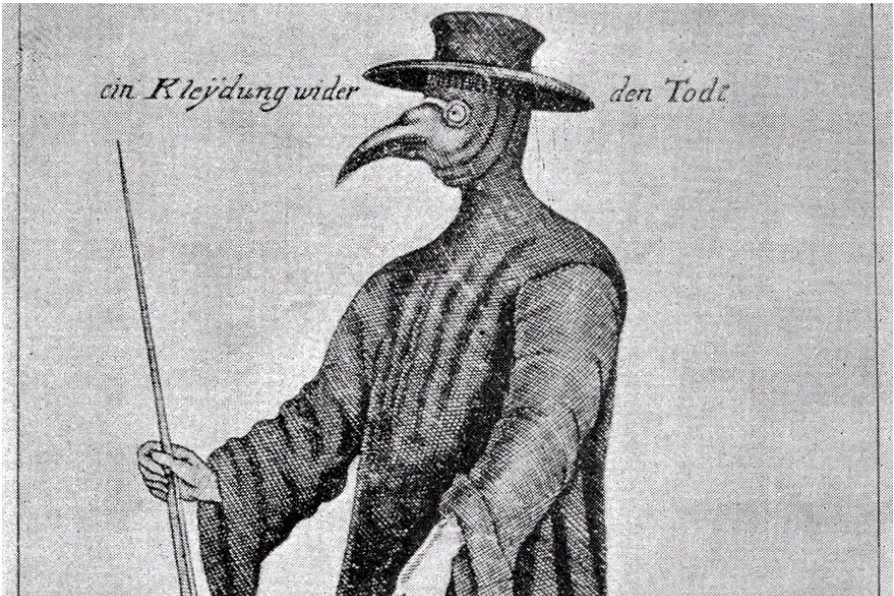 A plague doctor
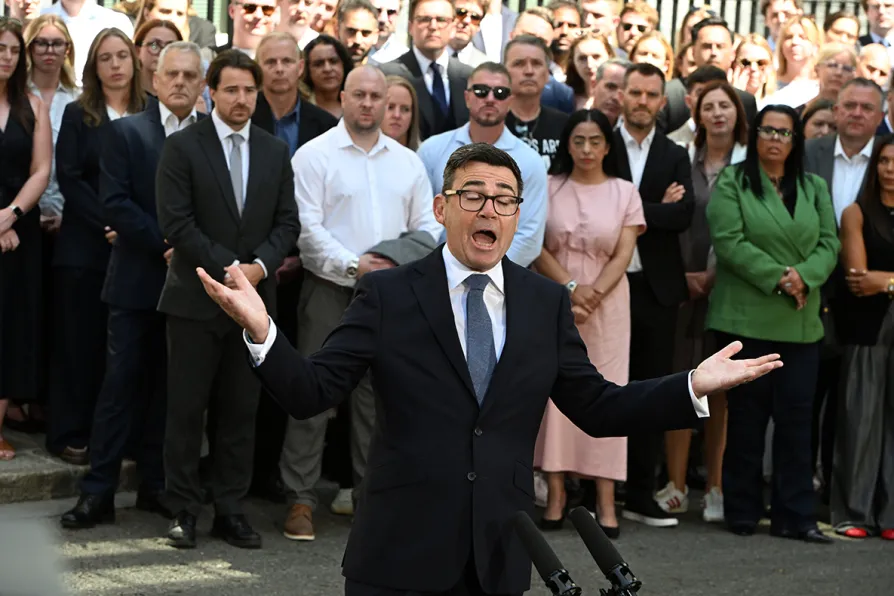
In the wake of Ann Widdecombe’s murder, JOHN GREEN wonders whether the government will really get to grips with the root cause of these attacks on our MPs
The new PM’s opening addresses offered hope, council homes and reform — but little detail on how any of it will be delivered, warns CLAUDIA WEBBE
Despite the screeching from the right-wing media, Burnham’s speech chimed with the public mood - and socialists should take advantage, says Morning Star editor BEN CHACKO
Scotland's Labour leader cannot continue to evade responsibility for the party's decline, argues LAUREN HARPER
Nature as well as society works dialectically, asserts the Marx Memorial Library and Workers’ School



GUARDIAN editorials are often ponderous affairs bordering on the pious but a commentary on the ending of lockdown at the beginning of July suddenly opined that “Revolutions are not inevitable” and went on to note that sharp jolts to the system often saw “normality” return later.
It sounded rather like the Guardian urging its readers to keep calm in the face of possible social upheaval, which they might applaud around the world but be more doubtful about closer to home.
There certainly is a link between epidemics of disease, their impact and social unrest.

Similar stories
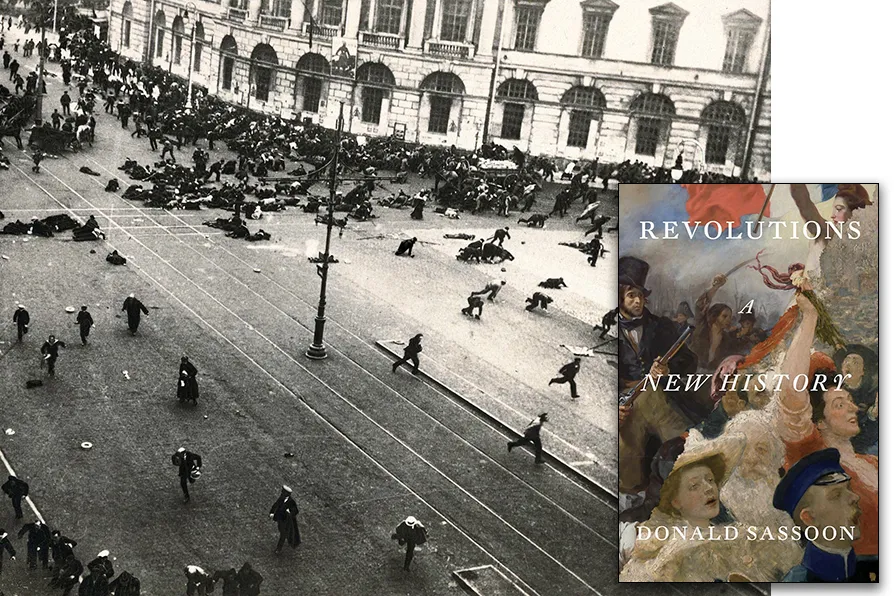
HENRY BELL follows the lineage of revolutions, from the English to the Chinese, and asks where revolutionary politics exists today
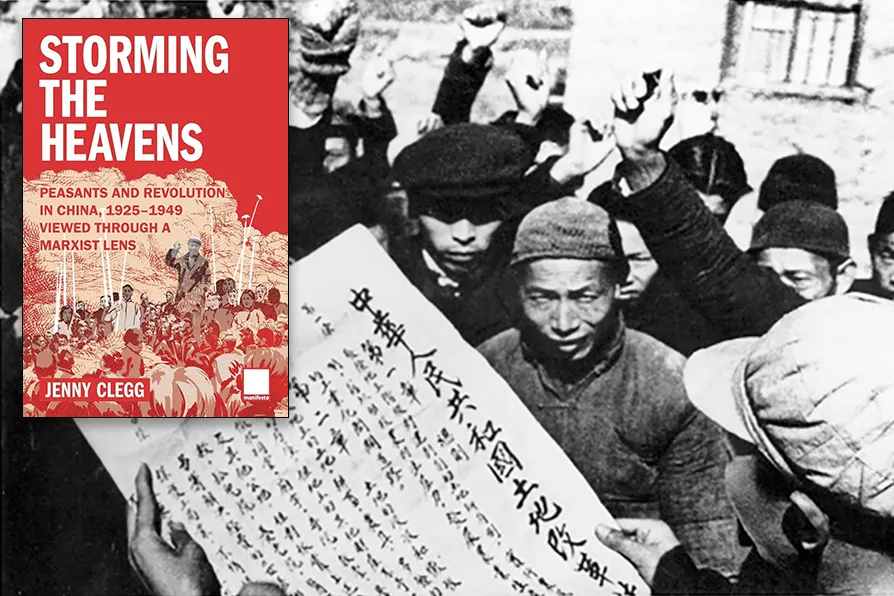
BEN CHACKO welcomes a masterful analysis that puts class struggle back at the heart of our understanding of China’s revolution
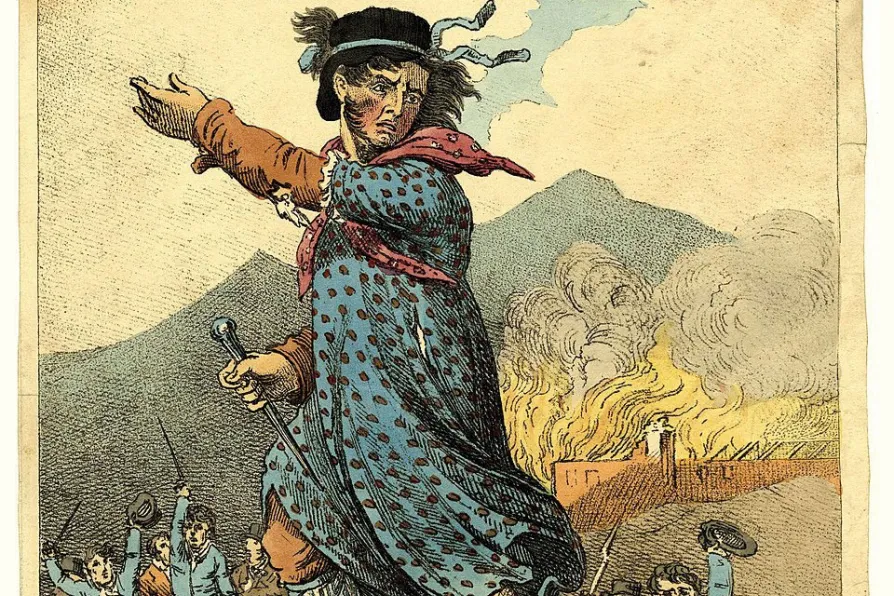
Inspired by a hit TV show, KEITH FLETT takes a look at the murky history of undercover class war
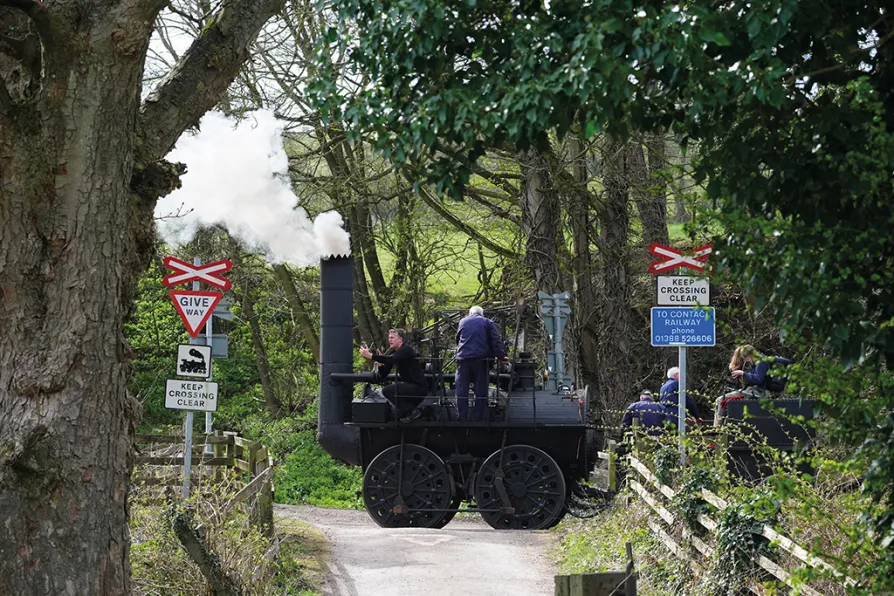
Two-hundred years ago, on September 27 1825, the world’s first passenger railway line was opened between Stockton and Darlington. MICK WHELAN, general secretary of Aslef, the train drivers’ union, reflects on the history – and the future – of Britain’s railway industry