The Tories introduced the 50% strike ballot threshold to make industrial action harder. MATT WRACK argues that a Labour government has no justification for leaving it on the statute book


 Latest editorial
Parliamentary democracy: a 200-year crisis of legitimacy
As our nation faces yet another unelected leader, how about we return to the other great avenues of enacting our democratic will, writes KEITH FLETT
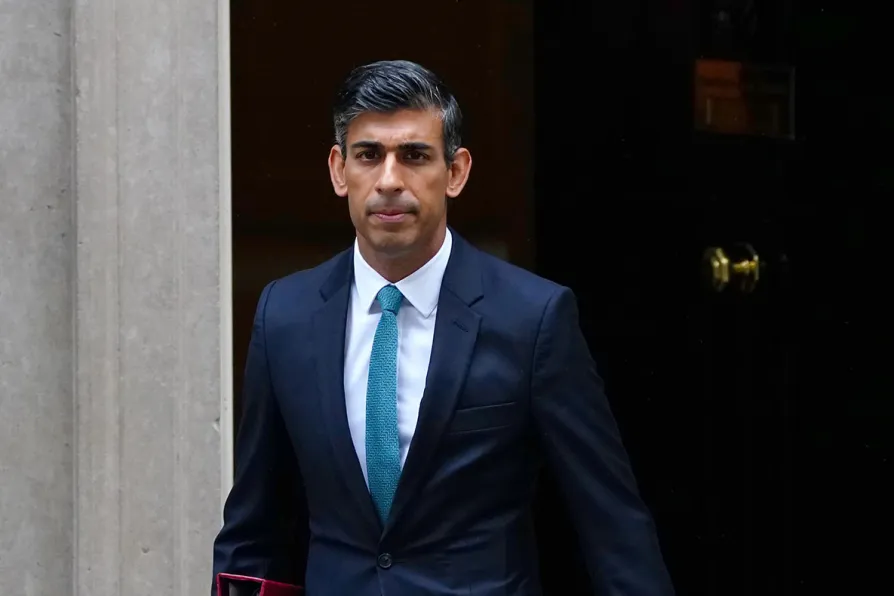 DEMOCRACY? Unelected Sunak

In the wake of Ann Widdecombe’s murder, JOHN GREEN wonders whether the government will really get to grips with the root cause of these attacks on our MPs
The new PM’s opening addresses offered hope, council homes and reform — but little detail on how any of it will be delivered, warns CLAUDIA WEBBE
Despite the screeching from the right-wing media, Burnham’s speech chimed with the public mood - and socialists should take advantage, says Morning Star editor BEN CHACKO
Scotland's Labour leader cannot continue to evade responsibility for the party's decline, argues LAUREN HARPER
Nature as well as society works dialectically, asserts the Marx Memorial Library and Workers’ School



AS the TUC met in Brighton, figures were released by Megaphone that showed that in my area of north London 50 per cent of people were spending less on food and a similar number had cut back on heating as colder weather arrives. Meanwhile over 15 per cent had skipped meals they could no longer afford to eat.
This situation is not just the result of the disastrous hard-right experiment that was “Trussonomics,” but of 12 years of Tory austerity focused.
As Liz Truss departed, the focus was not on a general election but on who the next Tory prime minister who would run things for the few, not the many, should be.

Similar stories

Labour movement history in Britain shows workers secured reforms through collective pressure and political representation, rather than being gifted from above, writes KEITH FLETT
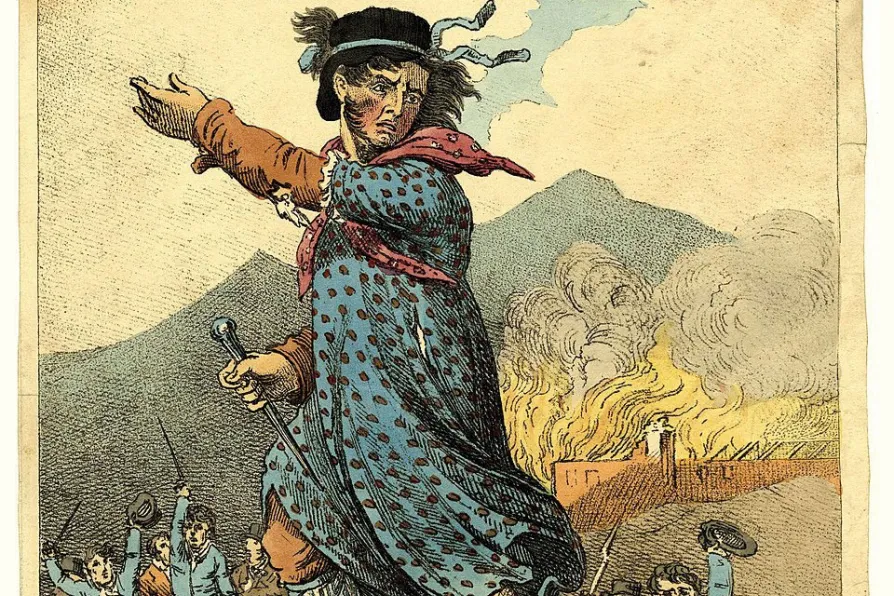
Inspired by a hit TV show, KEITH FLETT takes a look at the murky history of undercover class war
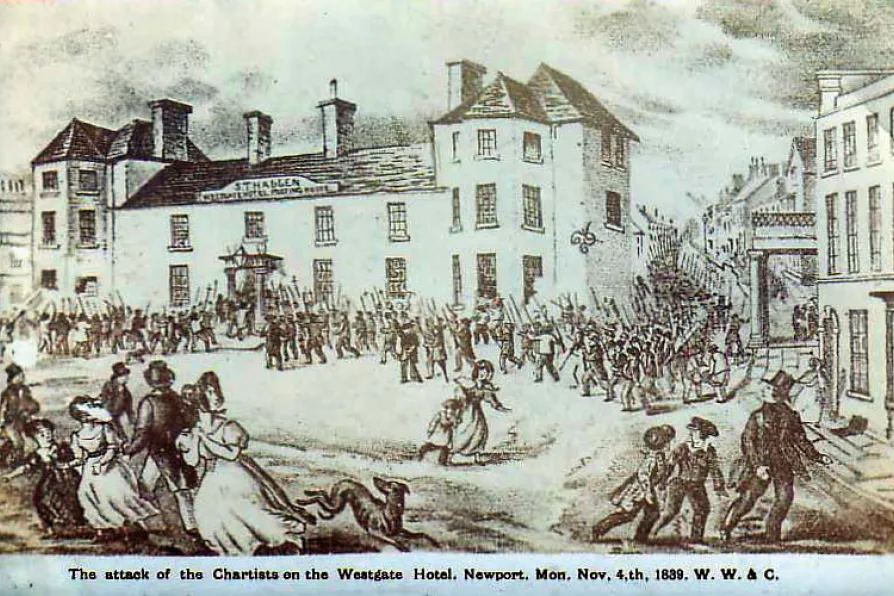
It’s not just the Starmer regime: the workers of Britain have always faced legal affronts on their right to assemble and dissent, and the Labour Party especially has meddled with our freedoms from its earliest days, writes KEITH FLETT
Who you ask and how you ask matter, as does why you are asking — the history of opinion polls shows they are as much about creating opinions as they are about recording them, writes socialist historian KEITH FLETT