In the wake of Ann Widdecombe’s murder, JOHN GREEN wonders whether the government will really get to grips with the root cause of these attacks on our MPs


 Latest editorial
Plant an immovable flagpole in the Labour Party against war
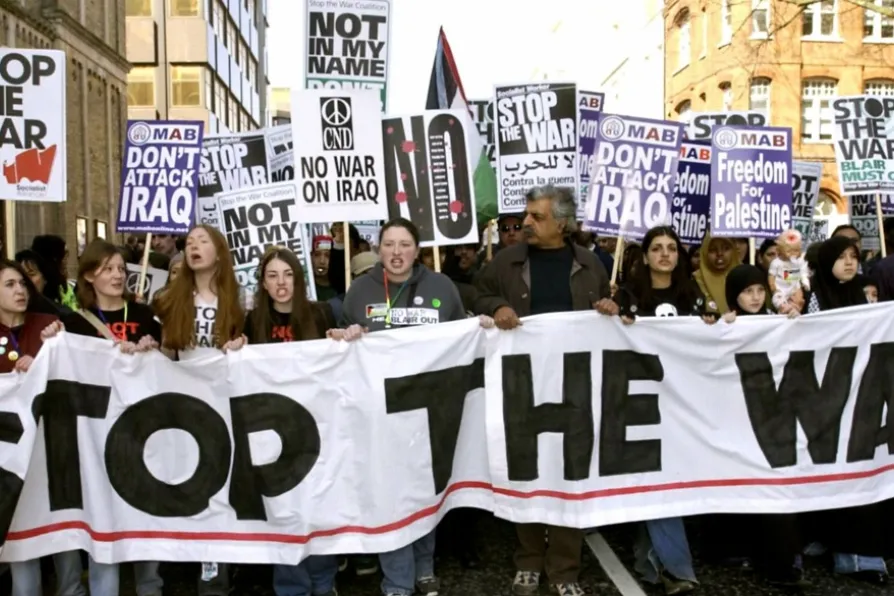
Chuka Umunna’s former CLP has taken a decisive step in favour of peace by affiliating to the Stop the War Coalition. Why not follow Streatham’s example, suggests MAYER WAKEFIELD
Despite the screeching from the right-wing media, Burnham’s speech chimed with the public mood - and socialists should take advantage, says Morning Star editor BEN CHACKO
Nature as well as society works dialectically, asserts the Marx Memorial Library and Workers’ School
Rising temperatures and human activity are making life far harder for these vital pollinators. ALEX DITTRICH explains
Lesbians and Gays Support the Miners co-founder MIKE JACKSON talks to Matt Kerr about the enduring power of Pride, protest and trade unionism
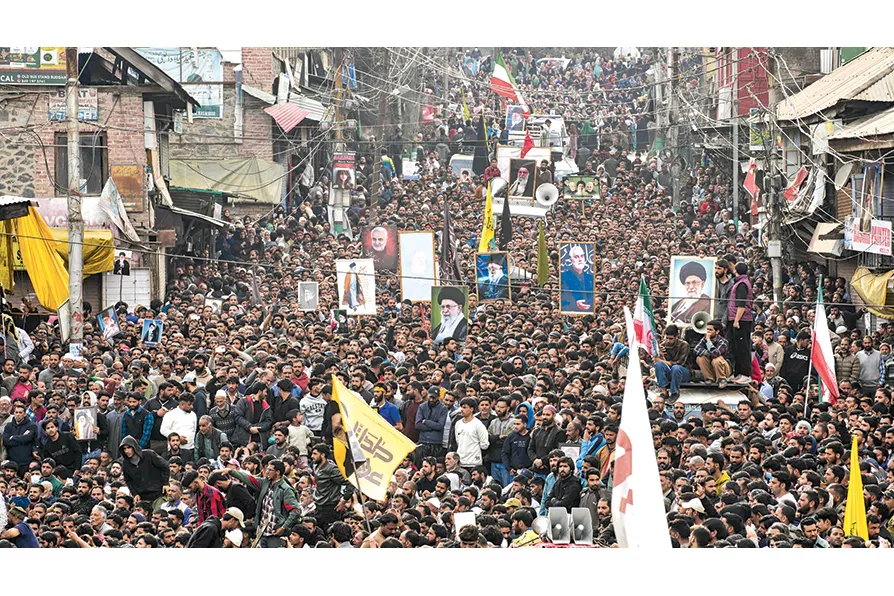
Behind the language of military strategy is a confrontation that risks drawing the wider Middle East into war, says STEVE BISHOP


NEWS that Streatham CLP Constituency Labour Party (CLP), former stomping ground of flip-flopping Liberal Democrat Chuka Umunna, has affiliated to Stop the War Coalition signals an ever-growing shift in the grassroots direction of the Labour Party on issues of war and peace.
Having democratised the local party by switching to an all-member meeting format in January, the people of Streatham have taken an overwhelming decision to “turn around from [the] old war-supporting regime” and embrace the leadership of veteran anti-war campaigner Jeremy Corbyn by supporting the work of Stop the War.
While a Labour MP, Umunna consistently voted for war and intervention, as well as the replacement of Trident.

Similar stories
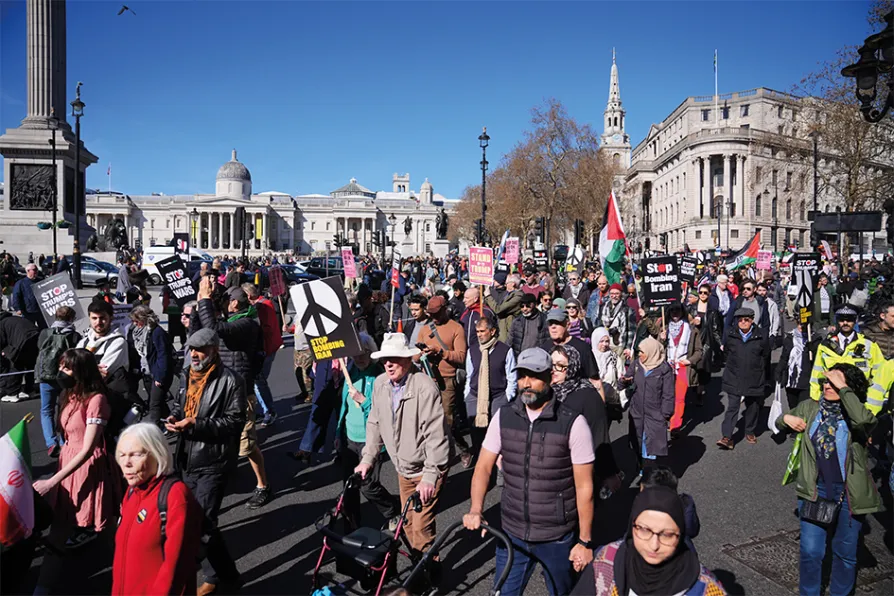
PCS general secretary FRAN HEATHCOTE explains why opposing war is inseparable from defending jobs, wages and public services – and why readers should come to the London Peace Conference on Saturday June 20
DIANE ABBOTT exposes Keir Starmer's doublespeak on Britain’s involvement in the Iran war but takes heart from the growing organisation of the opposition to it
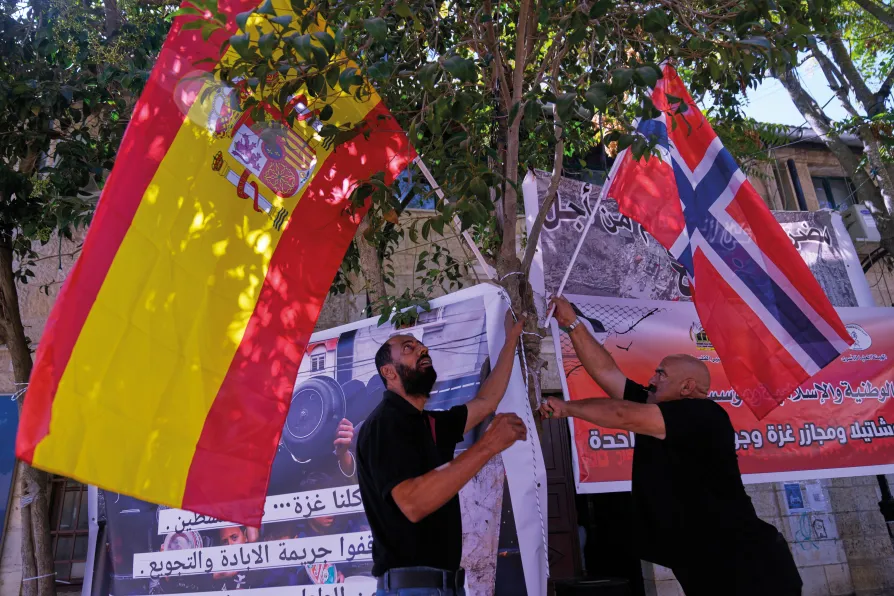
Spain has joined South Africa’s ICJ genocide case against Israel while imposing weapons bans and port restrictions, moves partly driven by trade unions — proving just how effectively civil society can reshape government policy, writes RAMZY BAROUD