The Tories introduced the 50% strike ballot threshold to make industrial action harder. MATT WRACK argues that a Labour government has no justification for leaving it on the statute book


 Latest editorial
The stars that tell us about ourselves
Tonight you can see the best shooting stars of the year, but what can they tell us about our place in the universe?
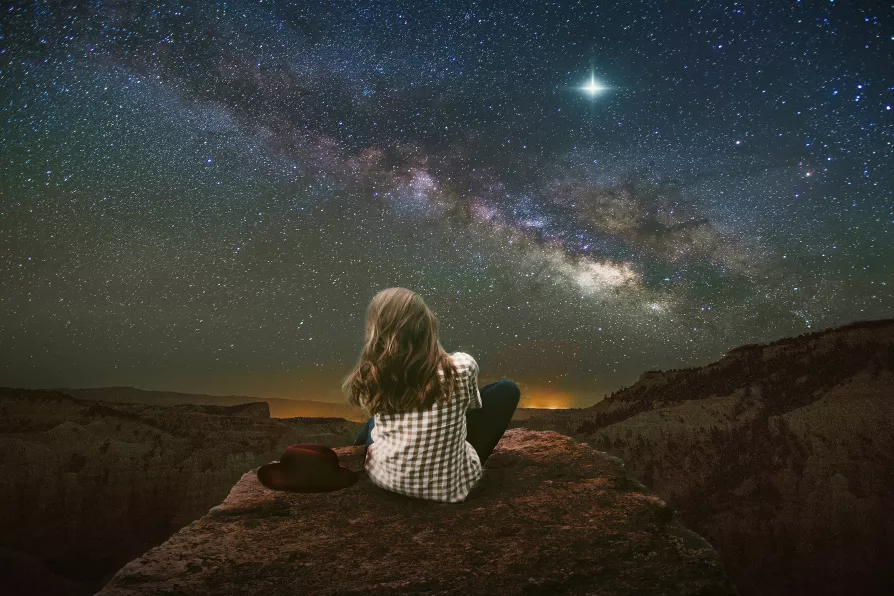 Often, the locations of falling meteorites are predicted by looking at the trajectories of a group of shooting stars

In the wake of Ann Widdecombe’s murder, JOHN GREEN wonders whether the government will really get to grips with the root cause of these attacks on our MPs
The new PM’s opening addresses offered hope, council homes and reform — but little detail on how any of it will be delivered, warns CLAUDIA WEBBE
Despite the screeching from the right-wing media, Burnham’s speech chimed with the public mood - and socialists should take advantage, says Morning Star editor BEN CHACKO
Scotland's Labour leader cannot continue to evade responsibility for the party's decline, argues LAUREN HARPER
Nature as well as society works dialectically, asserts the Marx Memorial Library and Workers’ School



TONIGHT is one of the best nights of the year for shooting stars, as we go through the huge annual meteor shower called the Perseids.
Shooting stars are what we see as small objects travelling through space collide with the Earth’s atmosphere. The speed of their movement through the air causes so much friction that they burn up in a fireball. These meteors, some of which are no bigger than a grain of sand and travel 15 times faster than a high-powered rifle bullet, often burn up 60 miles up in the sky, well before they reach the Earth’s surface. However, some larger meteors fall all the way to Earth, leaving a meteorite — the space rock itself.
There are so many tiny fragments of rock from space colliding with Earth and its atmosphere that every year they increase the Earth’s mass by 20,000 tons, (although this is infinitesimal compared to the weight of the Earth which is twenty million billion times heavier than this). This perpetual rain of small objects from space isn’t so scary, but on rare occasions in Earth’s history, some rather larger objects have arrived: the “Chicxulub impactor” object often blamed for the extinction of many dinosaurs 66 million years ago is thought to have had a mass of at least one trillion tons.

Similar stories
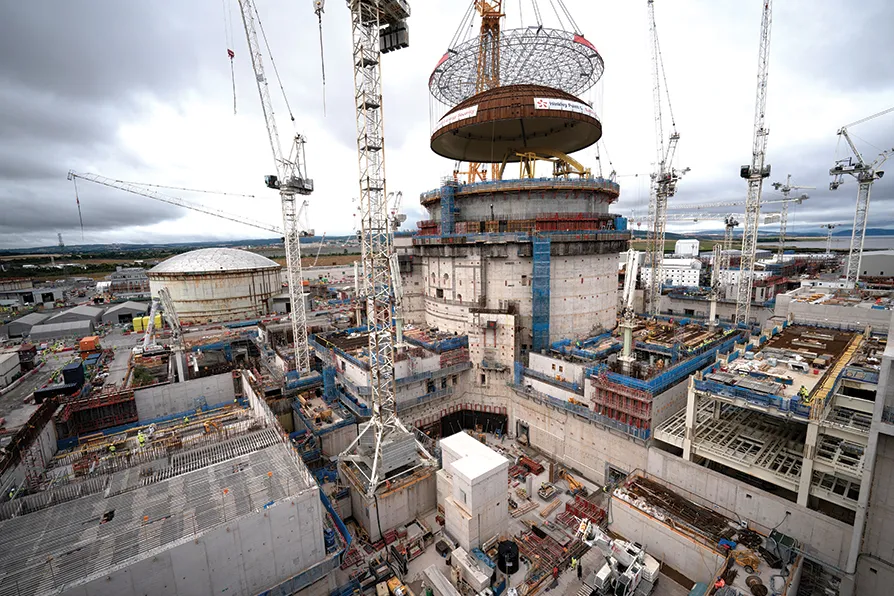
The Communist Party of Britain’s Congress last month debated a resolution on ending opposition to all nuclear power in light of technological advances and the climate crisis. RICHARD HEBBERT explains why
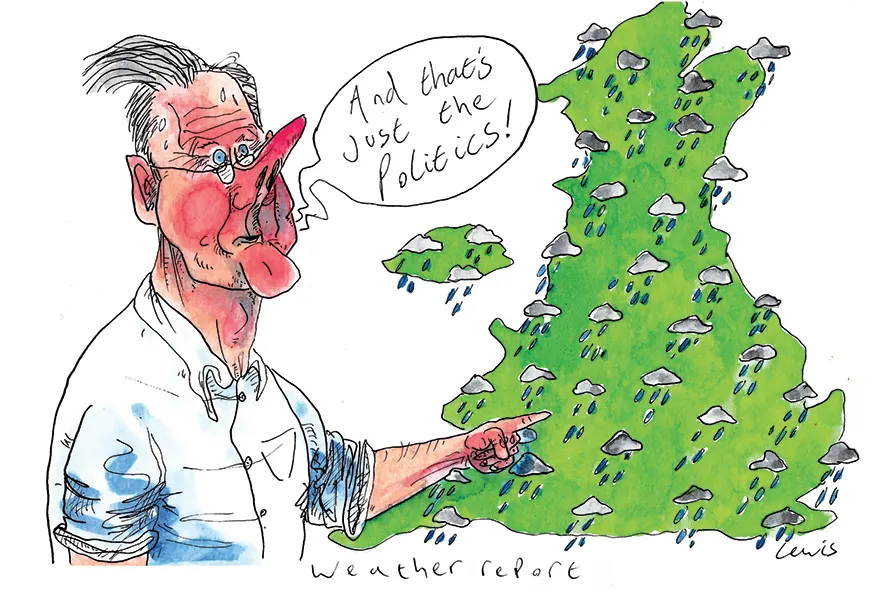
The collapse of the Atlantic Meridional Overturning Circulation poses an existential threat — but do today’s politicians have the capacity to deliver the more resilient and sustainable economics of tomorrow, wonders ALAN SIMPSON
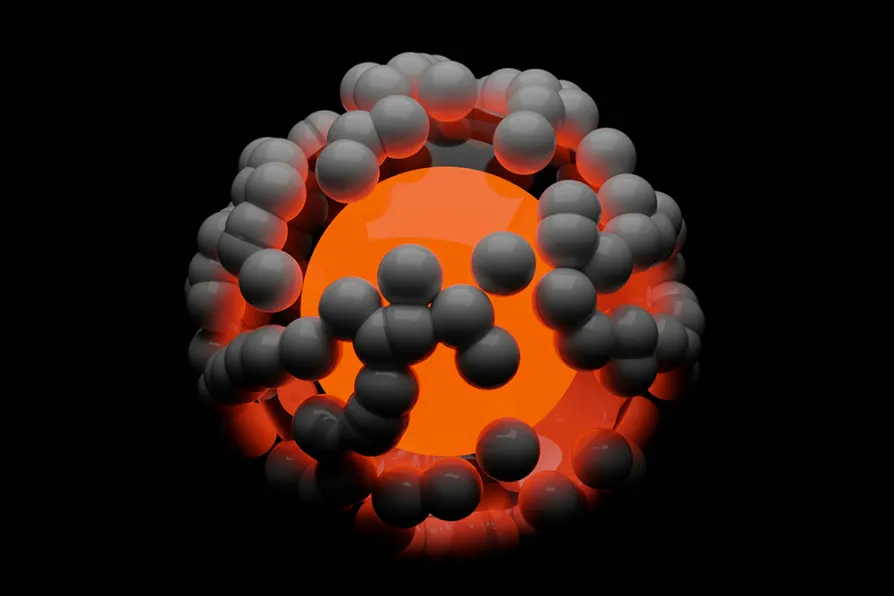
Neutrinos are so abundant that 400 trillion pass through your body every second. ROX MIDDLETON, LIAM SHAW and MIRIAM GAUNTLETT explain how scientists are seeking to know more about them

One of the major criticisms of China’s breakneck development in recent decades has been the impact on nature — returning after 15 years away, BEN CHACKO assessed whether the government’s recent turn to environmentalism has yielded results