While international actors discuss governance and reconstruction, Netanyahu has made it clear that Israel has no intention of ending its military occupation, says RAMZY BAROUD


 Latest editorial
GCHQ 40: the ban on trade unions in 1984
Ahead of next weekend’s march and rally, HUGH LANNING explains why the GCHQ struggle and eventual victory means so much to the British labour movement
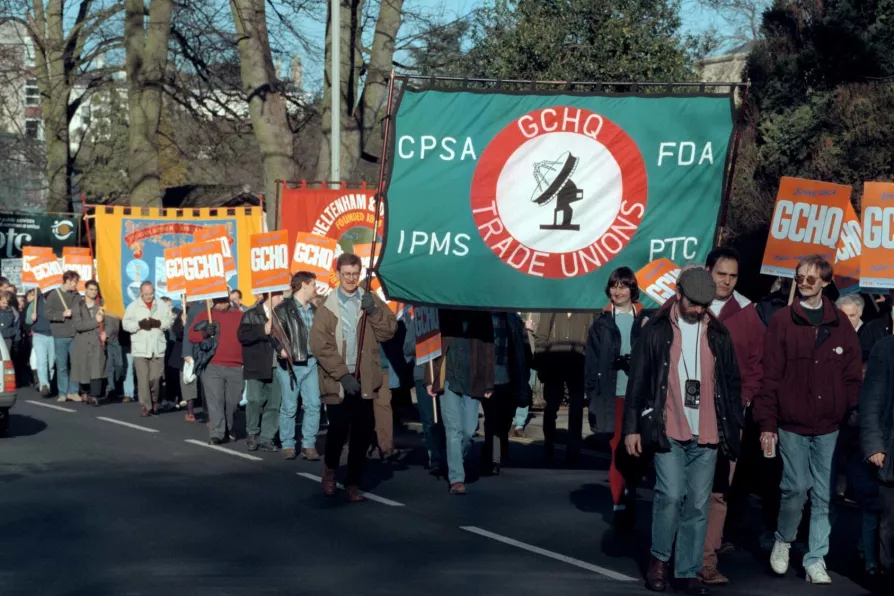 The 13th Anniversary GCHQ March moves through Cheltenham, January 1997, to commemorate when trades unions fought against the government's decision in 1984 to band trades union membership at the communications and eavesdropping centre

NICK WRIGHT continues his series analysing the trends in European politics
We have the alternative economics, histories of our struggles and the confidence to change the world
General Federation of Trade Unions assistant general secretary HENRY FOWLER reports on the final day from the GFTU’s residential Summer School at the Workers’ Retreat, Quorn Grange Hotel
Capitalism has exploited — and polluted — our natural resources for too long, it’s time we treated our rivers as living beings, writes MIRIUM GAUNTLETT, LIAM SHAW and ROX MIDDLETON
Treating the Clacton by-election as a joke risks reinforcing the Reform leader’s claim to be the victim of an out-of-touch Establishment, argues JOHN McINALLY
MPs and others called for the urgent release of tortured Palestinian doctor, Hussam Abu Safiya, held hostage by Israel and reportedly near death, reports LINDA PENTZ GUNTER


IN 1984 no-one had heard of Government Communications Headquarters (GCHQ), the government’s then-secret intelligence-gathering centre — let alone that the staff were represented by trade unions.
All that changed on January 25 1984, when Margaret Thatcher’s government announced its decision to impose a total ban on trade union membership at GCHQ.
The decision came without warning or consultation, and it provoked a sustained campaign unparalleled in modern labour history. It ended in 1997 when, in one of its first decisions, the Labour government overturned the ban.

Similar stories
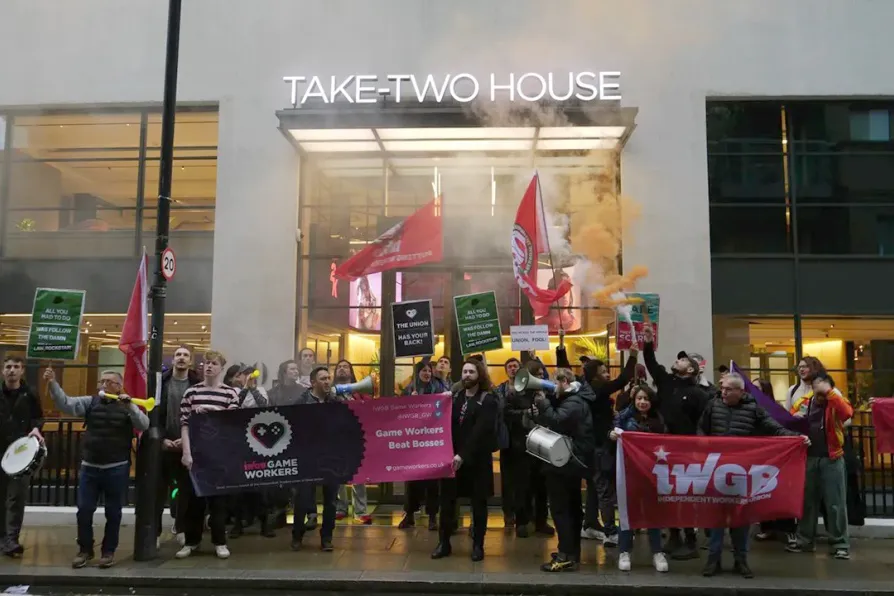
Strike Map co-founder HENRY FOWLER discusses the significance of today’s joint union letter to video game giant Rockstar, demanding trade union recognition for its workers. Their conversation highlights how our movement can harness its collective power to rebuild union power across the private sector

IAN LAVERY MP warns that decades of neoliberal policies have left former industrial communities behind — but a renewed Labour commitment to working people could change the political landscape
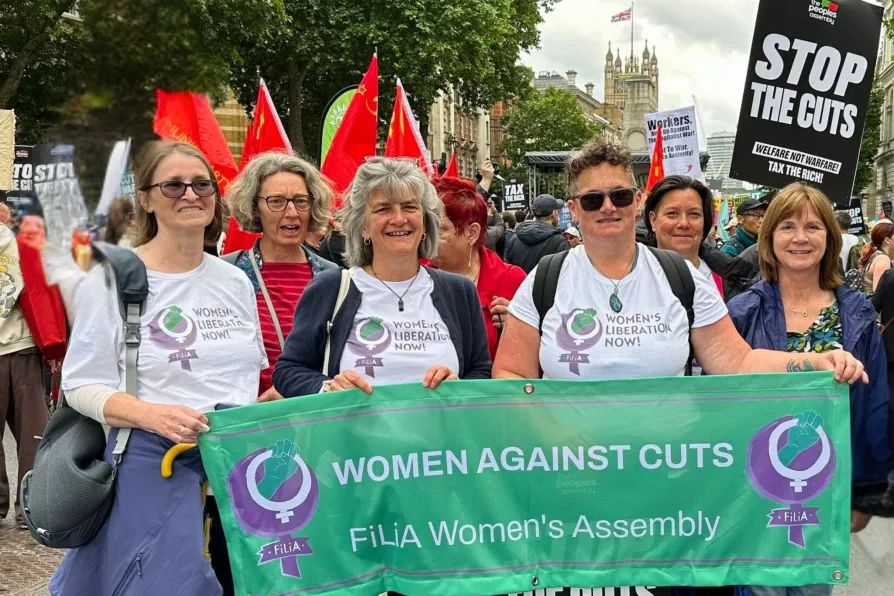
Women are a vital part of the labour movement and have much to contribute, but there’s far more to be done to make sure that our sisters’ voices are truly heard, says PHILIPA HARVEY
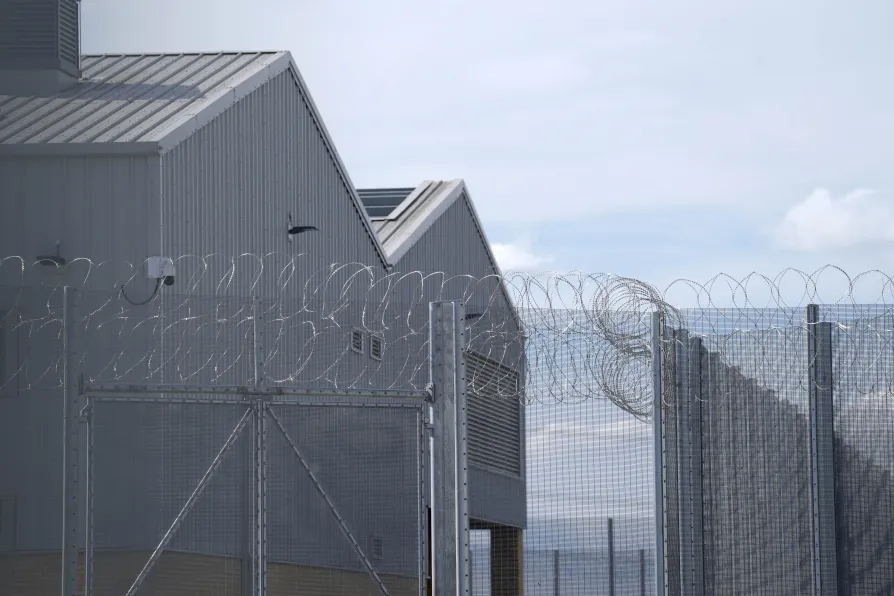
Our members face serious violence, crumbling workplaces and exposure to dangerous drugs — it is outrageous we still cannot legally use our industrial muscle to fight back and defend ourselves, writes STEVE GILLAN