The Tories introduced the 50% strike ballot threshold to make industrial action harder. MATT WRACK argues that a Labour government has no justification for leaving it on the statute book


 Latest editorial
Geoffrey Pyke, Britain’s brilliant anti-fascist inventor
MAT COWARD looks at the personal ideology of a man as concerned with the psychology of inventing as with inventing itself, whose ideas about education – and contributions to the war effort against the Nazis – live on
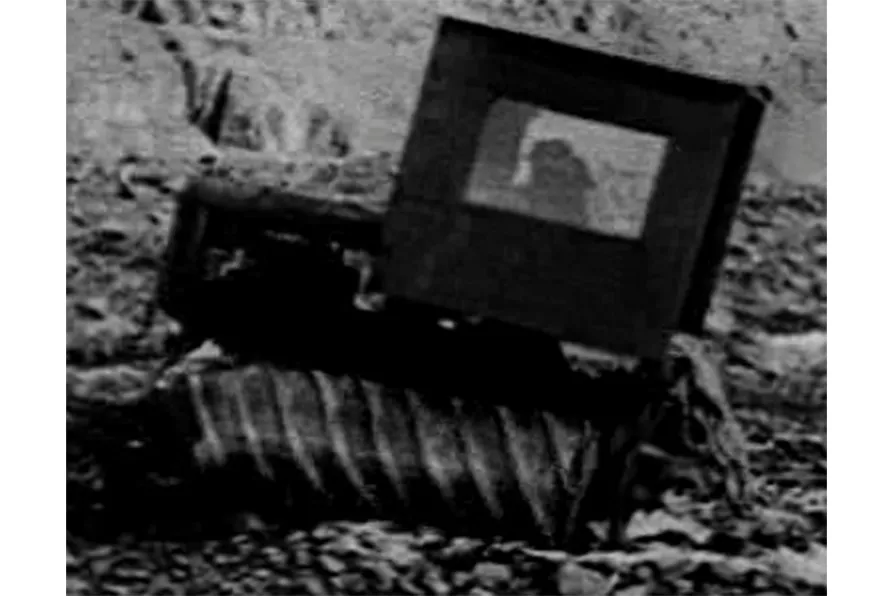 The ice-based building material ‘pykrete’ narrowly missed deployment in WWII, though both have a fanbase in the modern scientific community
[Office of Stategic Services/ Creative Commons]
The ice-based building material ‘pykrete’ narrowly missed deployment in WWII, though both have a fanbase in the modern scientific community
[Office of Stategic Services/ Creative Commons]

In the wake of Ann Widdecombe’s murder, JOHN GREEN wonders whether the government will really get to grips with the root cause of these attacks on our MPs
The new PM’s opening addresses offered hope, council homes and reform — but little detail on how any of it will be delivered, warns CLAUDIA WEBBE
Despite the screeching from the right-wing media, Burnham’s speech chimed with the public mood - and socialists should take advantage, says Morning Star editor BEN CHACKO
Scotland's Labour leader cannot continue to evade responsibility for the party's decline, argues LAUREN HARPER
Nature as well as society works dialectically, asserts the Marx Memorial Library and Workers’ School



ON February 23 1948, the inventor Geoffrey Pyke was reported dead at his home in Hampstead by his landlady. He had clearly committed suicide, aged 54, though no-one was precisely sure why.
It was a tragic end to a life which had contained a great deal of achievement — and a great deal of pain. Obituaries noted his almost unparalleled importance as a thinker (“one of the greatest geniuses of his time”), his lack of public recognition and his eccentricity.
At the start of the first world war, Pyke had come up with the brilliant idea of becoming an undercover journalist for a British newspaper — in Berlin. At that time, the British secret service had failed to insert any of its agents into Germany, and Pyke didn’t speak German, so the odds weren’t really on his side. In October 1914, despite his forged US passport, he was arrested within a few days.

Similar stories
MAT COWARD tells the story of the eccentric founder of a short-lived but striking experiment in ‘vital democracy,’ who became best known for giving away his estate to the nation
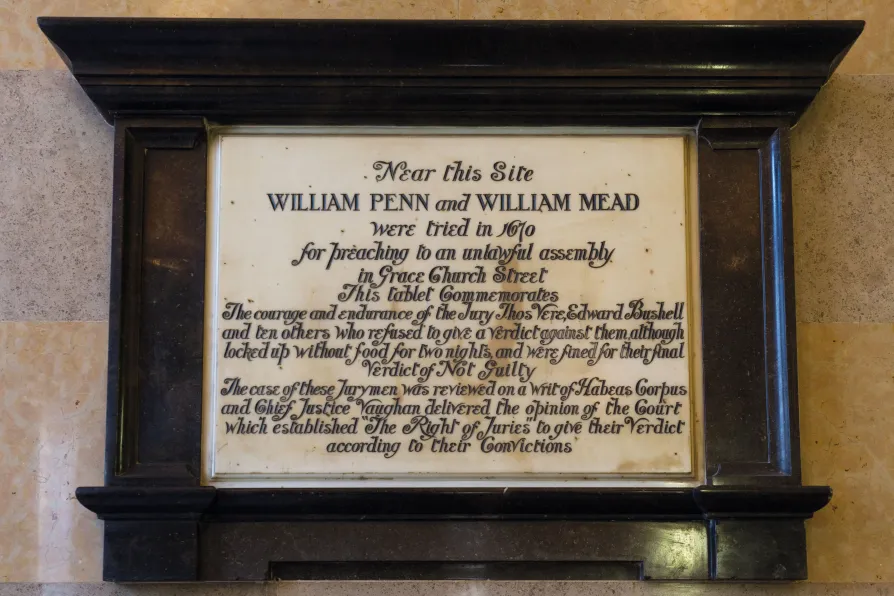
The heroism of the jury who defied prison and starvation conditions secured the absolute right of juries to deliver verdicts based on conscience — a convention which is now under attack, writes MAT COWARD
‘Honest’ Tom Wharton’s 1682 drunken rampage through St Mary’s church haunted his political career, but his satirical song Lillibullero helped topple Catholic James II during the Glorious Revolution, writes MAT COWARD
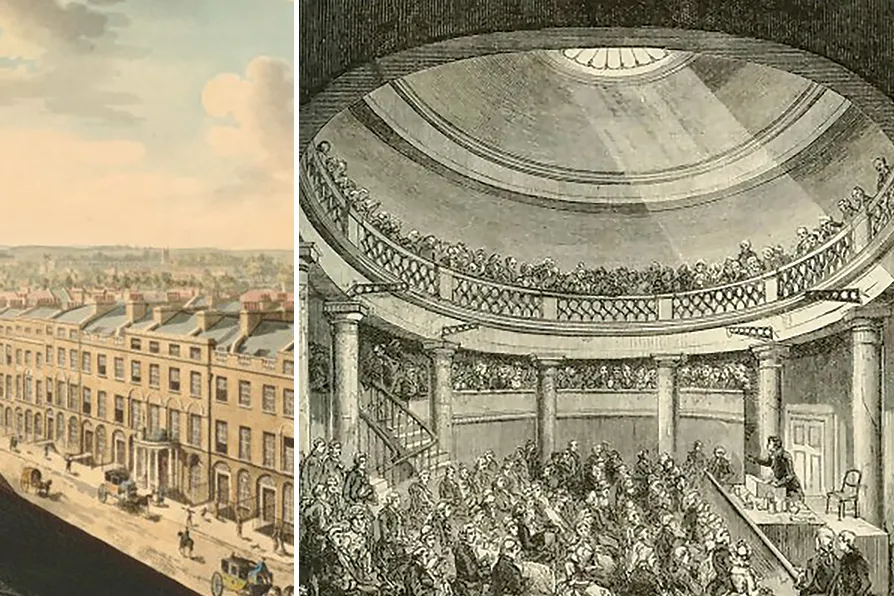
While an as-yet-unnamed new left party struggles to be born, MAT COWARD looks at some of the wild and wonderful names of workers’ organisations past that have been lost to time