The Tories introduced the 50% strike ballot threshold to make industrial action harder. MATT WRACK argues that a Labour government has no justification for leaving it on the statute book


 Latest editorial
How poverty itself shaped A Christmas Carol
Charles Dickens was facing a return to the destitution that had blighted his childhood, and it was this which drove him to write the remarkable best-seller which changed the politics of Christmas forever, writes MAT COWARD
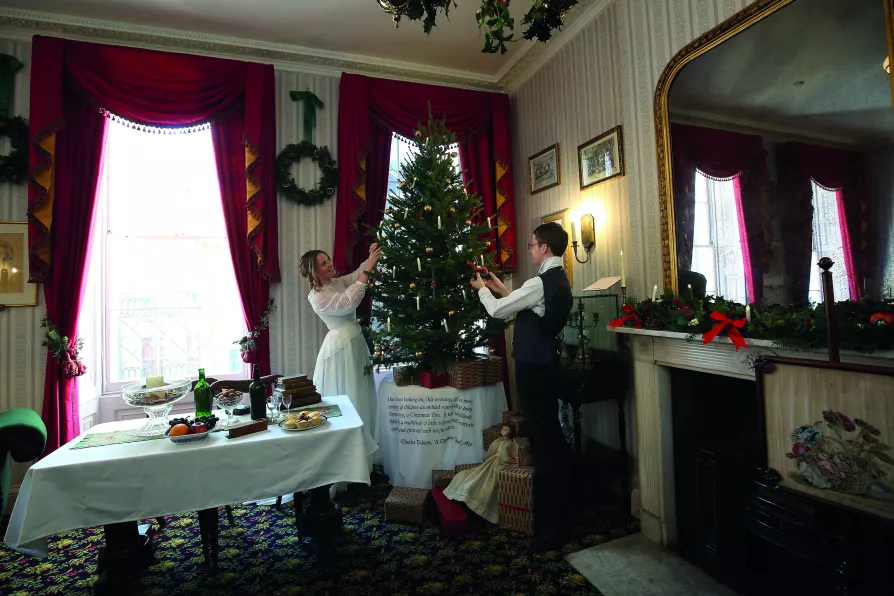 Actors rehearsing for a performance of Another Christmas Carol at the Charles Dickens Museum in London in 2016

In the wake of Ann Widdecombe’s murder, JOHN GREEN wonders whether the government will really get to grips with the root cause of these attacks on our MPs
The new PM’s opening addresses offered hope, council homes and reform — but little detail on how any of it will be delivered, warns CLAUDIA WEBBE
Despite the screeching from the right-wing media, Burnham’s speech chimed with the public mood - and socialists should take advantage, says Morning Star editor BEN CHACKO
Scotland's Labour leader cannot continue to evade responsibility for the party's decline, argues LAUREN HARPER
Nature as well as society works dialectically, asserts the Marx Memorial Library and Workers’ School



MILLIONS of people this month will be watching, reading or listening to some version of An Appeal to the People of England, on behalf of the Poor Man’s Child. Many will return to the original text; others may prefer the Muppets’ interpretation.
In 1843, Charles Dickens (1812-70) had two worries on his mind; one personal, and the other … well, the other personal as well, in a way.
His immediate problem was that his career appeared to be on its deathbed. He’d been a successful writer since his mid-twenties and had become, in a short time, a superstar throughout the English-speaking world. This was the first time he’d experienced professional failure.

Similar stories
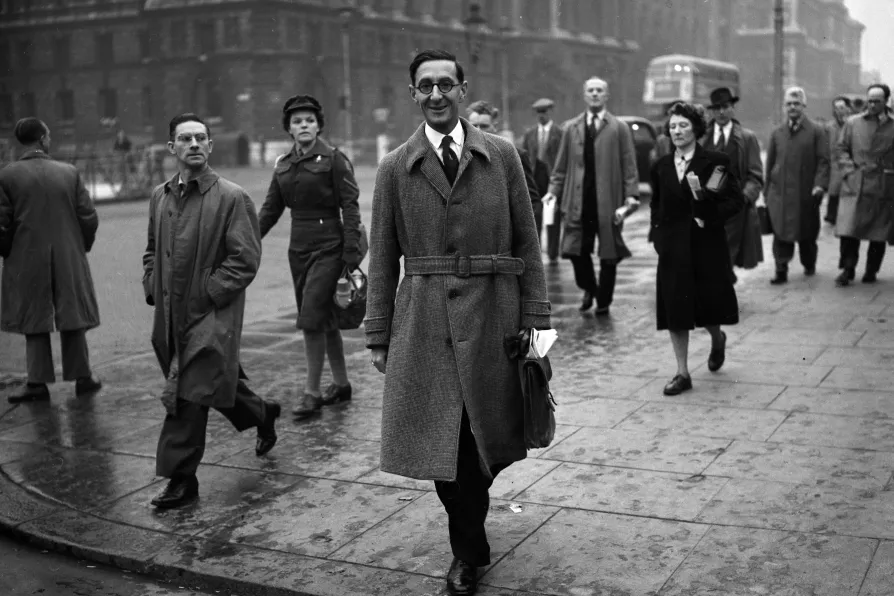
MAT COWARD writes on Ghost Runner John Tarrant
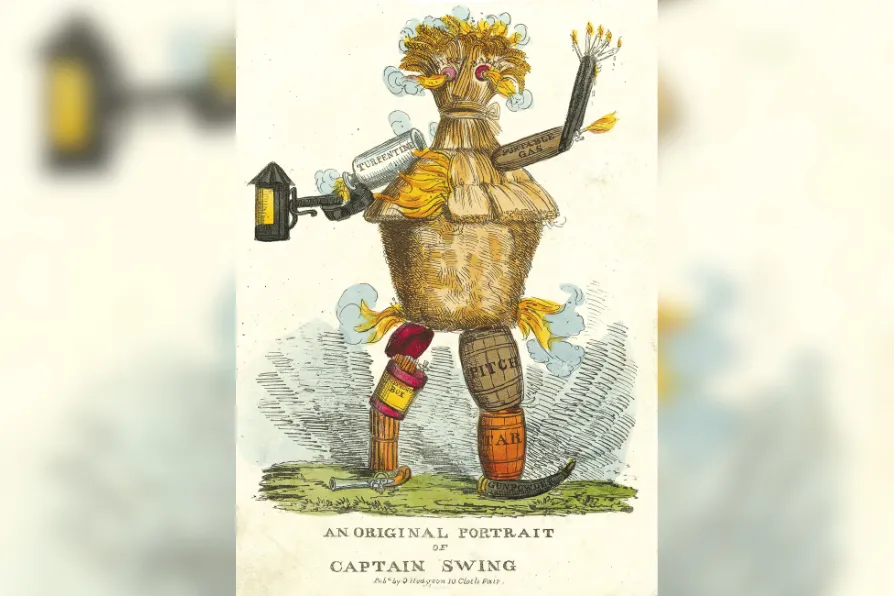
Long before modern labour movements, England’s farmworkers fought back against their oppression – and for some, like Elizabeth Studham, the price was exile to Australia. MAT COWARD tells the story
MAT COWARD tells the story of the eccentric founder of a short-lived but striking experiment in ‘vital democracy,’ who became best known for giving away his estate to the nation
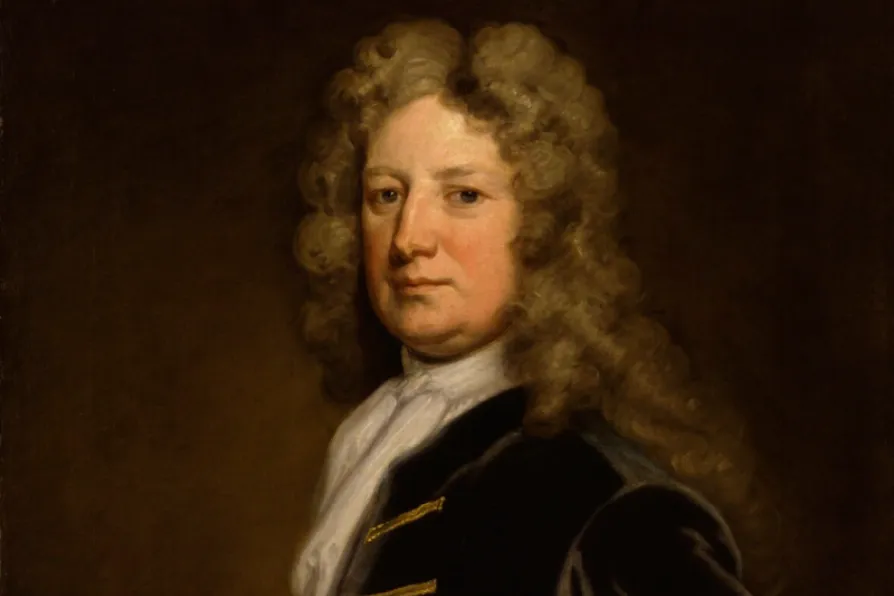
‘Honest’ Tom Wharton’s 1682 drunken rampage through St Mary’s church haunted his political career, but his satirical song Lillibullero helped topple Catholic James II during the Glorious Revolution, writes MAT COWARD