While international actors discuss governance and reconstruction, Netanyahu has made it clear that Israel has no intention of ending its military occupation, says RAMZY BAROUD


 Latest editorial
A laser focus
Rox Middleton, Liam Shaw and Miriam Gauntlett look at the history of lasers, from cat toys to modelling the explosion of stars
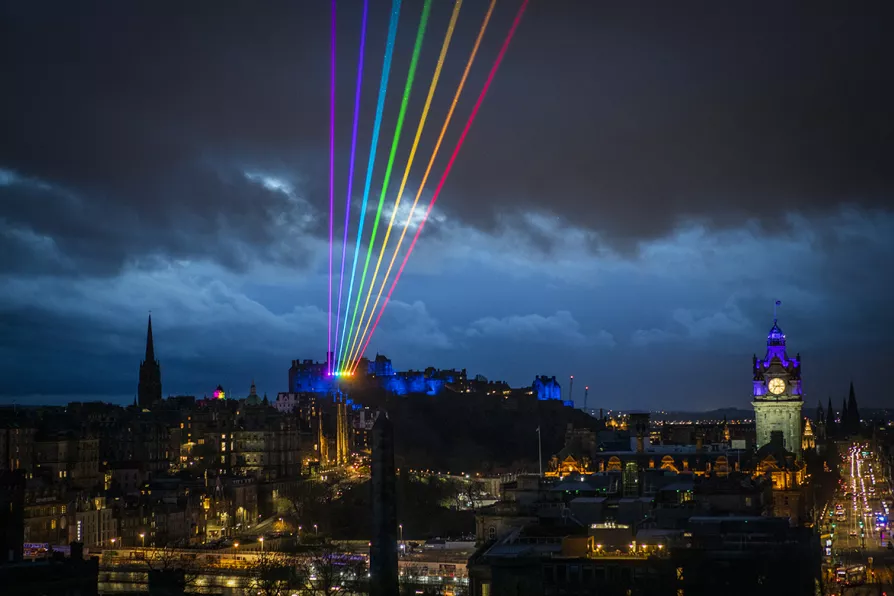 A rainbow lights up the Edinburgh skyline during the Scottish premiere of Global Rainbow a laser art installation by Yvette Mattern, part of Burns and Beyond, Edinburgh's flagship Burns festival, March 24, 2021

NICK WRIGHT continues his series analysing the trends in European politics
We have the alternative economics, histories of our struggles and the confidence to change the world
General Federation of Trade Unions assistant general secretary HENRY FOWLER reports on the final day from the GFTU’s residential Summer School at the Workers’ Retreat, Quorn Grange Hotel
Capitalism has exploited — and polluted — our natural resources for too long, it’s time we treated our rivers as living beings, writes MIRIUM GAUNTLETT, LIAM SHAW and ROX MIDDLETON
Treating the Clacton by-election as a joke risks reinforcing the Reform leader’s claim to be the victim of an out-of-touch Establishment, argues JOHN McINALLY
MPs and others called for the urgent release of tortured Palestinian doctor, Hussam Abu Safiya, held hostage by Israel and reportedly near death, reports LINDA PENTZ GUNTER


WHAT if you could capture light in a box? Lasers work on that very principle. Light is a wave and any colour is described by a particular wavelength. To trap light in a box, mirrors are used, with the dimensions specially chosen so that the light can reflect off the mirrors and “resonate” at its own wavelength.
Just like a musical instrument, these resonant waves reinforce each other. For a musical instrument, these reinforced waves come out as a sound wave making a note at a particular frequency, which is related to the wavelength.
In the case of a laser, light is trapped at a high intensity, again at a singular frequency related to the wavelength of the light. Some of the light is allowed to burst out of the container, seen as a laser beam.

Similar stories
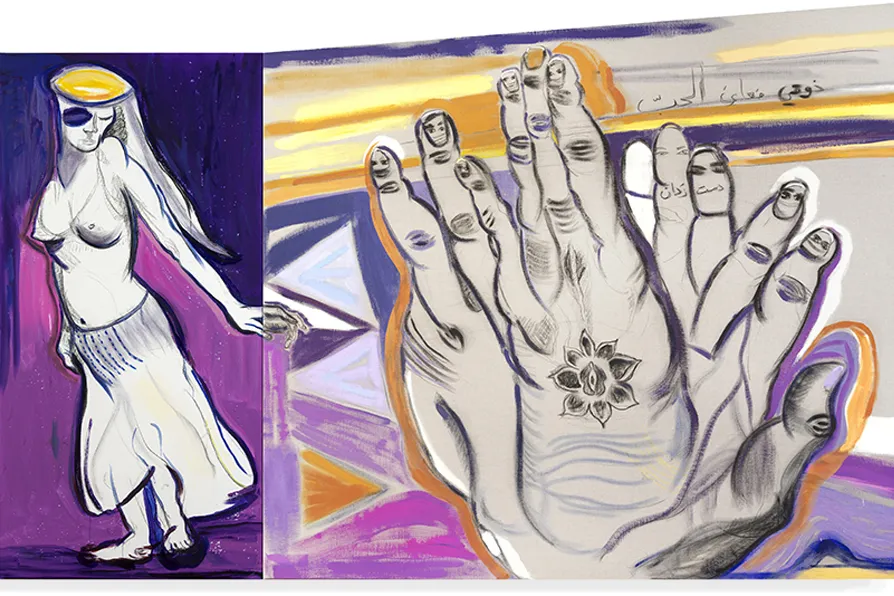
SIMON PARSONS applauds an artist who rescues and rehumanises stories of women, the victims of violence, from a feminist perspective
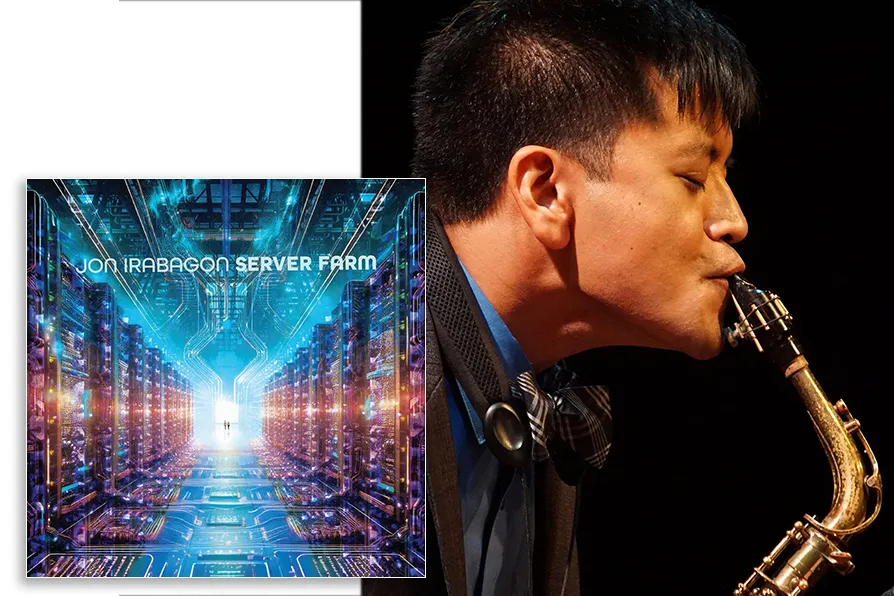
CHRIS SEARLE speaks to Filipino-US saxophonist JON IRABAGON about the threat of AI in the time of Musk and Trump, and how an artist can respond
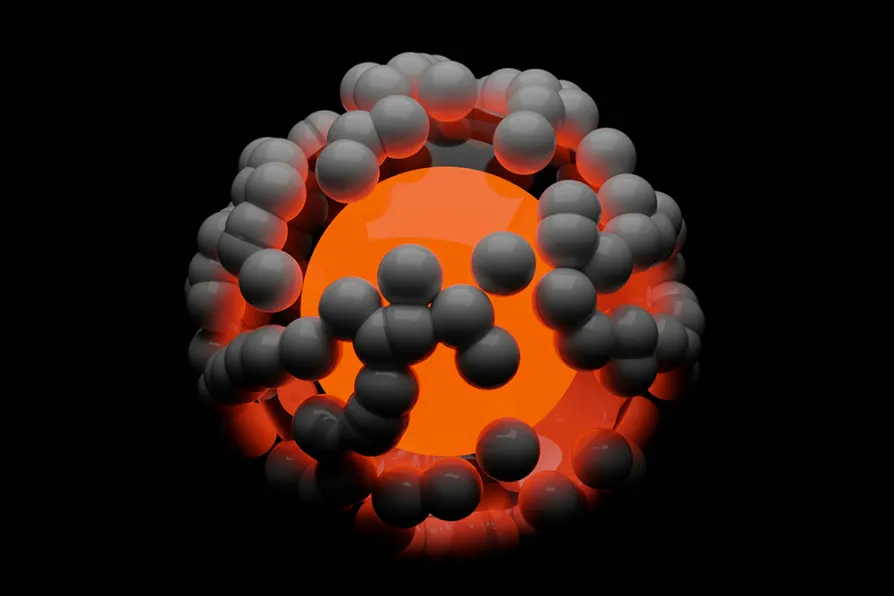
Neutrinos are so abundant that 400 trillion pass through your body every second. ROX MIDDLETON, LIAM SHAW and MIRIAM GAUNTLETT explain how scientists are seeking to know more about them
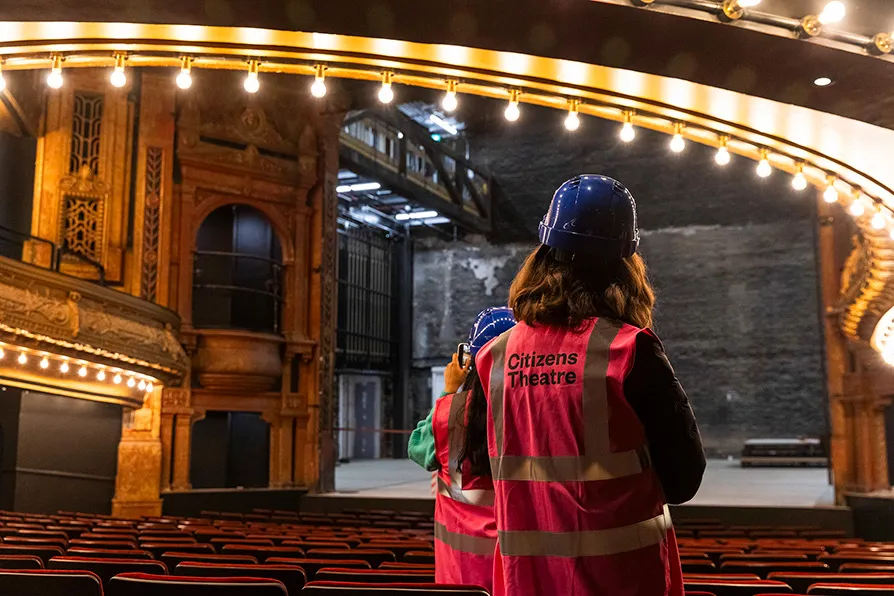
ANDREW FILMER welcomes the reopening of Glasgow’s landmark theatre after a seven-year transformation