While international actors discuss governance and reconstruction, Netanyahu has made it clear that Israel has no intention of ending its military occupation, says RAMZY BAROUD


 Latest editorial
Public-sector pay is an issue for us all
For its own good the Labour government should take a radical, progressive approach to investing in public services instead of tinkering around the edges, argues DIANE ABBOTT
 FAIR PAY: Health workers march to Downing Street, London

NICK WRIGHT continues his series analysing the trends in European politics
We have the alternative economics, histories of our struggles and the confidence to change the world
General Federation of Trade Unions assistant general secretary HENRY FOWLER reports on the final day from the GFTU’s residential Summer School at the Workers’ Retreat, Quorn Grange Hotel
Capitalism has exploited — and polluted — our natural resources for too long, it’s time we treated our rivers as living beings, writes MIRIUM GAUNTLETT, LIAM SHAW and ROX MIDDLETON
Treating the Clacton by-election as a joke risks reinforcing the Reform leader’s claim to be the victim of an out-of-touch Establishment, argues JOHN McINALLY
MPs and others called for the urgent release of tortured Palestinian doctor, Hussam Abu Safiya, held hostage by Israel and reportedly near death, reports LINDA PENTZ GUNTER



THE struggle over the level of public-sector pay rises for 2025 has already begun. Because of its impact on general pay increases, the outcome will be of direct interest to all workers.
In addition, because of the multiple crises in public services, wider society has an interest in a level of pay that improves the deteriorating record in recruitment and retention in key parts of the public sector.
As a result, the outcome of this struggle will have serious consequences for the entire working class and the poor. There is also the possibility, or even the likelihood, that this will be a multi-year struggle as the government’s own budget suggests that ministers’ aim will be continuous belt-tightening over the lifetime of this parliament.

Similar stories

Only an ambitious programme of state-led investment can restore growth and improve living standards, argues MICHAEL BURKE

Years of underfunding are eroding Scotland’s local services and deepening inequality in communities, says VINCE MILLS
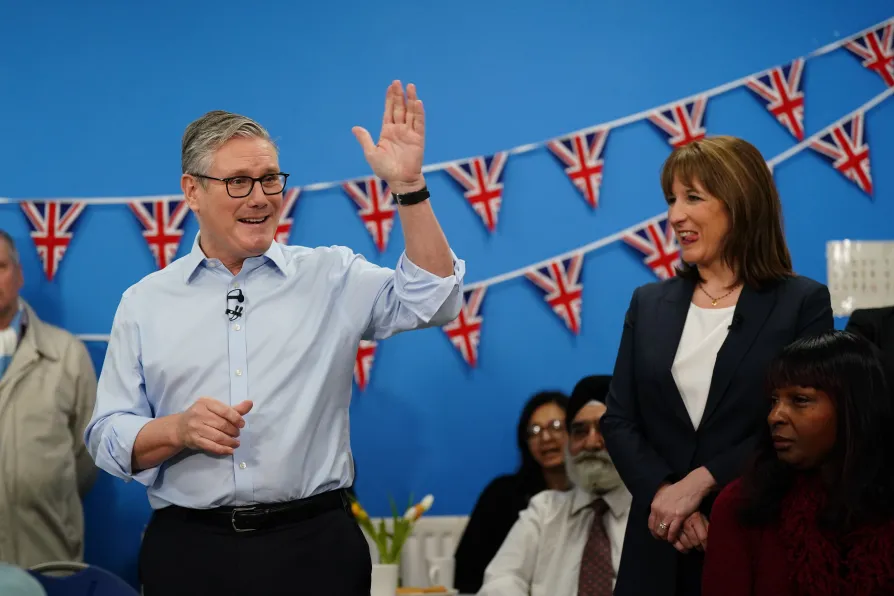
The 2025 Budget shores up the PM’s political position with headline-grabbing welfare U-turns, but with no improvements on offer to declining public services or living standards, writes MICHAEL BURKE