The Tories introduced the 50% strike ballot threshold to make industrial action harder. MATT WRACK argues that a Labour government has no justification for leaving it on the statute book


 Latest editorial
Beyond armed peacekeeping: the power of unarmed civilian protection
From Palestine to Cameroon, ELLEN FURNARI speaks to Ian Sinclair about how non-violent strategies and local relationships offer effective alternatives to military interventions in protecting civilians from conflict
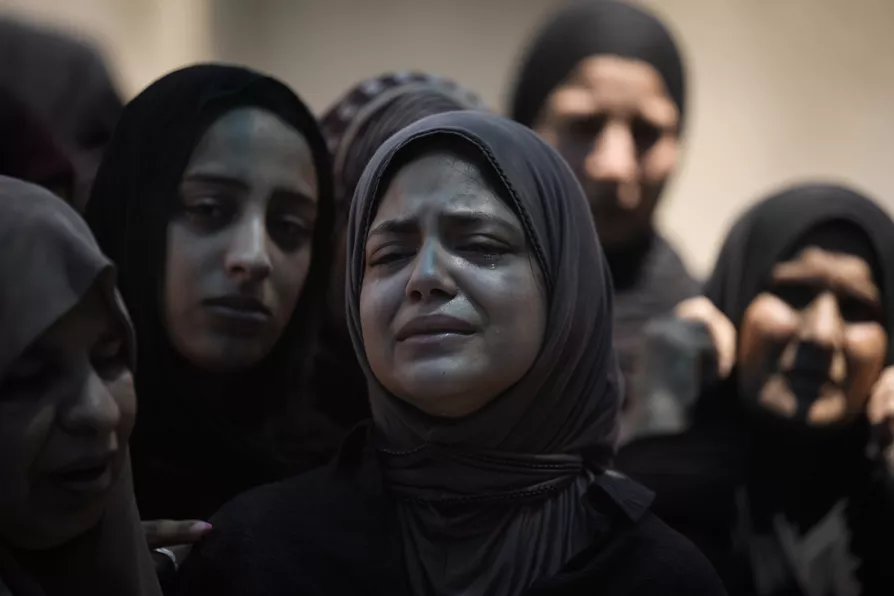 Mourners attend the funeral of Muhammad Sarhan,15, in the West Bank town of Tulkarem, July 2, 2024
In the wake of Ann Widdecombe’s murder, JOHN GREEN wonders whether the government will really get to grips with the root cause of these attacks on our MPs
The new PM’s opening addresses offered hope, council homes and reform — but little detail on how any of it will be delivered, warns CLAUDIA WEBBE
Despite the screeching from the right-wing media, Burnham’s speech chimed with the public mood - and socialists should take advantage, says Morning Star editor BEN CHACKO
Scotland's Labour leader cannot continue to evade responsibility for the party's decline, argues LAUREN HARPER
Nature as well as society works dialectically, asserts the Marx Memorial Library and Workers’ School




WITH large and small wars, and the threat of violence, common features within and between nation states, it’s widely believed the threat of even greater violence, or armed peacekeepers, are the best ways to protect civilians.
US-based researcher and consultant Ellen Furnari has a different take. As the co-editor of the recently published edited collection Unarmed Civilian Protection: A New Paradigm for Protection and Human Security, Furnani tells Ian Sinclair what Unarmed Civilian Protection/Accompaniment (UCP/A) is, how it works and why it has some advantages over armed peacekeeping.
Ian Sinclair: Can you set out the main types of UCP/A that have been carried out?
Ellen Furnari: UCP/A is the protection of civilians by other civilians in situations of imminent, ongoing, or recent violent conflict without the use or threat of violence.
Human beings have been using unarmed, nonviolent strategies to protect themselves and others since time immemorial. So UCP/A is nothing new. While efforts to protect people have often been focused on the use or threat of violence, in reality nonviolence is endemic and effective.
The oldest and most traditional forms of UCP/A occur in local communities when people do things like give each other early warnings when armed actors are on the way, or women accompany each other to gather wood, rather than going out alone, to decrease the incidence of rape and other attacks.
More recently, beginning in the 1980s organisations such as Peace Brigades International (PBI) and Community Peacemaker Teams (CPT) began working in areas of active conflict where it was perceived that internationals could provide protection specifically through their international status, often called protective accompaniment.
The presence of internationals accompanying human rights defenders and other activists who received death threats due to their work, dramatically decreased the risk of harm for these activists, supporting their continued work.

Similar stories
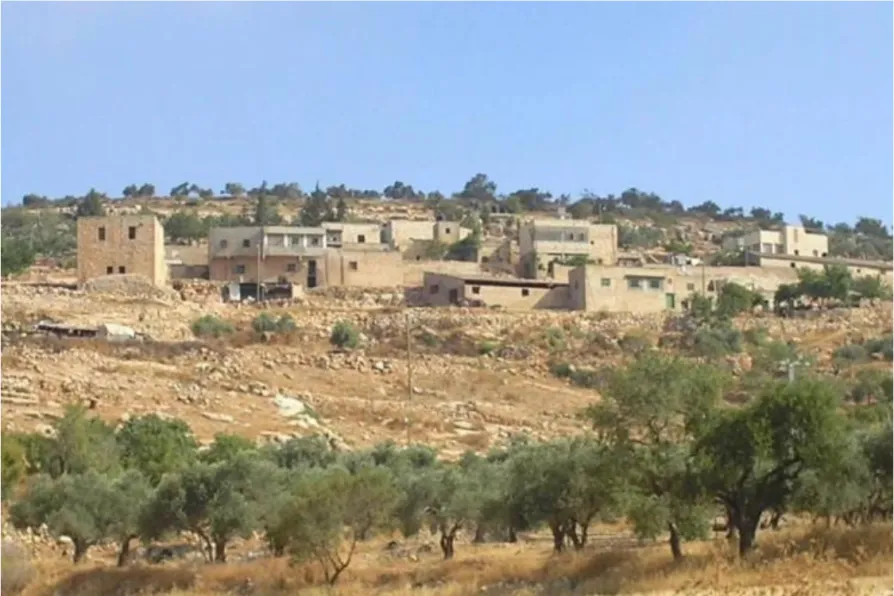
For those who lived in Yanoun, its disappearance is not just a local tragedy, but a stark symbol of escalating violence, displacement and impunity across the occupied West Bank, says JANE HARRIES
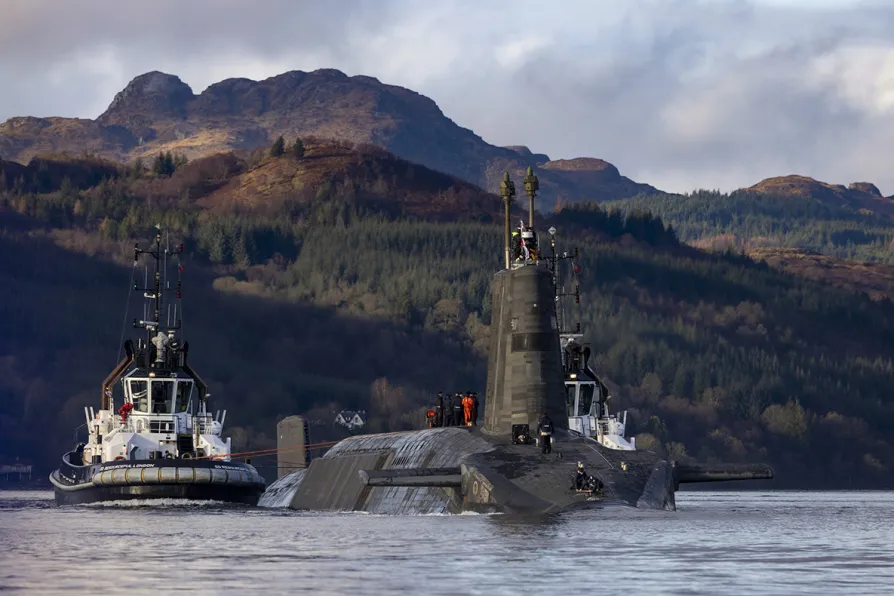
Campaigns against nuclear weapons on the Clyde, financial backing for arms firms and rising militarism are converging with solidarity for Palestine, as Scotland’s peace movement builds momentum ahead of the 2026 Holyrood election, says ARTHUR WEST