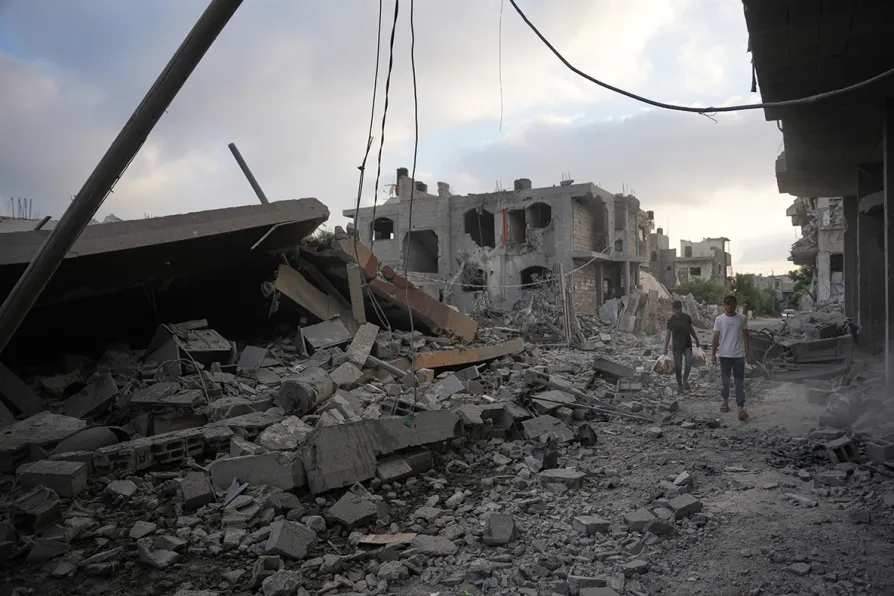
While international actors discuss governance and reconstruction, Netanyahu has made it clear that Israel has no intention of ending its military occupation, says RAMZY BAROUD


 Latest editorial
Green shoots are growing
The Labour Party’s rightward shift has given space for the Greens to flourish, meaning they could emerge as the primary voice of British left-wing politics, writes CHRIS JARVIS
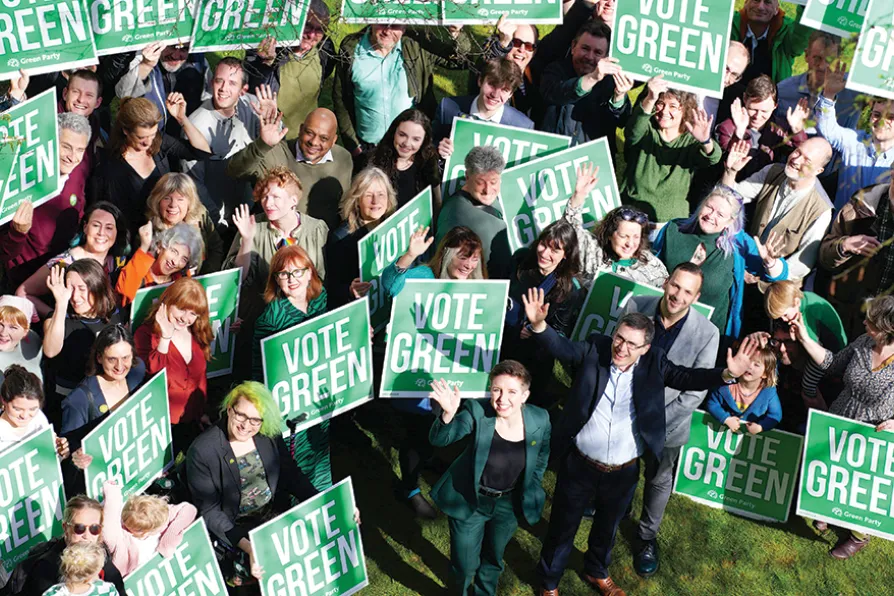 ON THE WAY UP: Green Party co-leaders Carla Denyer and Adrian Ramsay at their local election campaign launch in Bristol on April 4 2024
NICK WRIGHT continues his series analysing the trends in European politics
We have the alternative economics, histories of our struggles and the confidence to change the world
General Federation of Trade Unions assistant general secretary HENRY FOWLER reports on the final day from the GFTU’s residential Summer School at the Workers’ Retreat, Quorn Grange Hotel
Capitalism has exploited — and polluted — our natural resources for too long, it’s time we treated our rivers as living beings, writes MIRIUM GAUNTLETT, LIAM SHAW and ROX MIDDLETON
Treating the Clacton by-election as a joke risks reinforcing the Reform leader’s claim to be the victim of an out-of-touch Establishment, argues JOHN McINALLY
MPs and others called for the urgent release of tortured Palestinian doctor, Hussam Abu Safiya, held hostage by Israel and reportedly near death, reports LINDA PENTZ GUNTER




IN MAY 2014, the Green Party was in celebration mode. In that year’s local elections, the Greens made 18 net gains. At the time, this was the party’s second most successful set of local elections in its history.
Twelve months later, the 2015 general election would see over one million people vote Green, more than at any election before or since. While record-breaking, that election was bittersweet.
The Greens only managed to retain their sole MP, failing to make further inroads. And within months the position of the Greens as the only mainstream party offering a left-wing diagnosis of the crises facing the country was thrown into doubt by the arrival of Jeremy Corbyn, the most radical leader the Labour Party has ever elected.

Similar stories
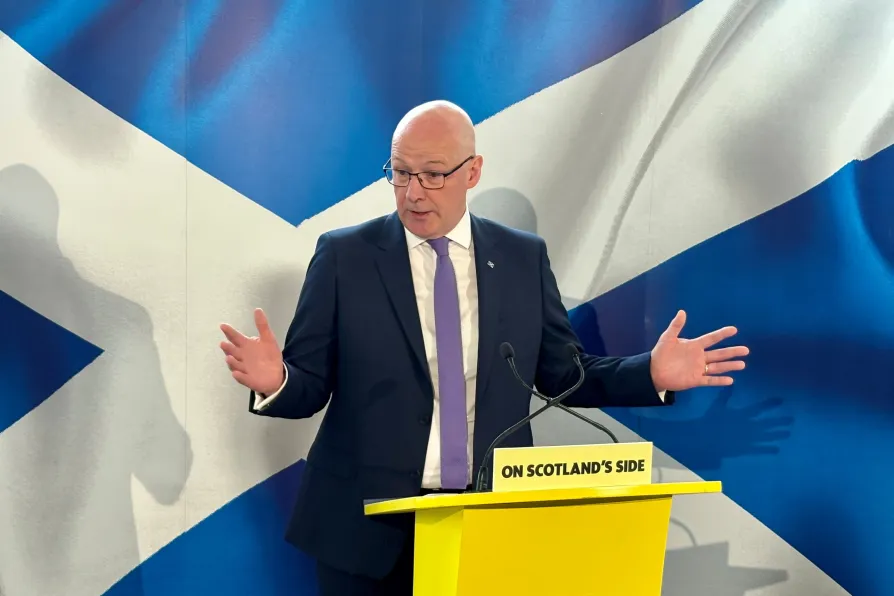
The new Scottish Parliament looks set to continue a cycle of managerial tinkering while public services face the axe, writes STEPHEN LOW
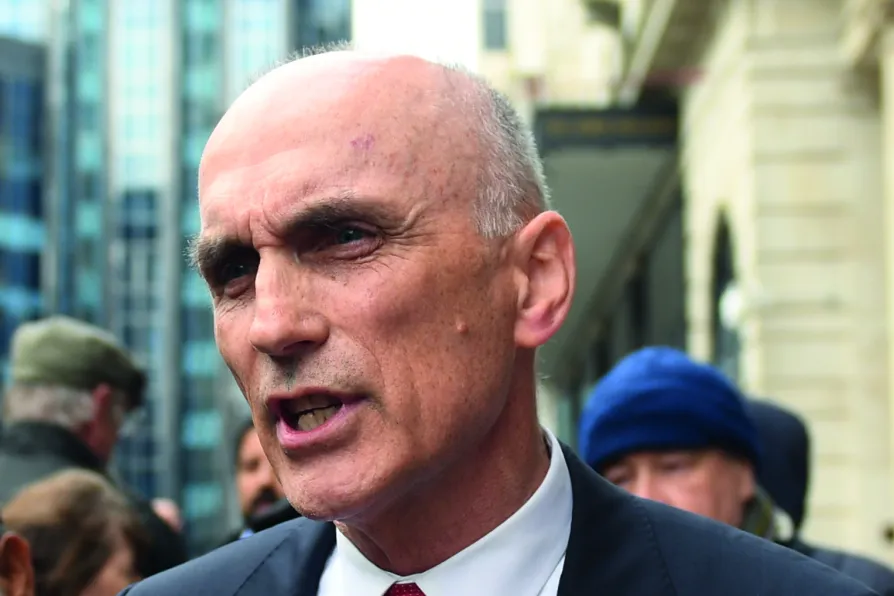
This by-election could plausibly see both Reform and Labour defeated — but splitting the left insurgent vote would put that at risk, argues CHRIS WILLIAMSON
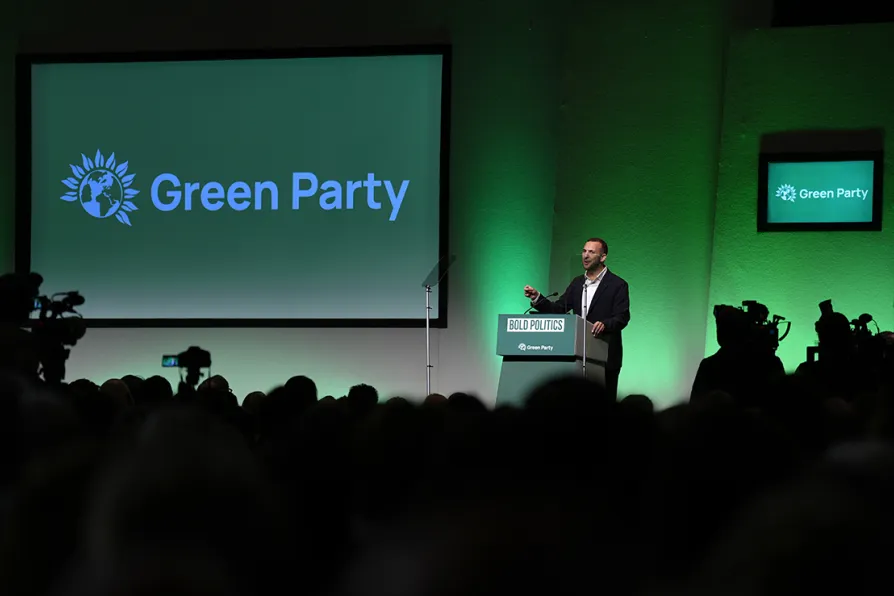
Now at 115,000 members and in some polls level with Labour in terms of public support, CHRIS JARVIS looks at the factors behind the rapid rise of the Greens, internal and external

Every Starmer boast about removing asylum-seekers probably wins Reform another seat while Labour loses more voters to Lib Dems, Greens and nationalists than to the far right — the disaster facing Labour is the leadership’s fault, writes DIANE ABBOTT MP