While international actors discuss governance and reconstruction, Netanyahu has made it clear that Israel has no intention of ending its military occupation, says RAMZY BAROUD


 Latest editorial
Class struggle in Iran: nurses fight for dignity and fair salaries
Nurses in Iran are waging an admirable struggle for pay above the poverty line, job security and against compulsory overtime despite the regime trying to suppress their voices and divide them, reports JAMSHID AHMADI
NICK WRIGHT continues his series analysing the trends in European politics
We have the alternative economics, histories of our struggles and the confidence to change the world
General Federation of Trade Unions assistant general secretary HENRY FOWLER reports on the final day from the GFTU’s residential Summer School at the Workers’ Retreat, Quorn Grange Hotel
Capitalism has exploited — and polluted — our natural resources for too long, it’s time we treated our rivers as living beings, writes MIRIUM GAUNTLETT, LIAM SHAW and ROX MIDDLETON
Treating the Clacton by-election as a joke risks reinforcing the Reform leader’s claim to be the victim of an out-of-touch Establishment, argues JOHN McINALLY
MPs and others called for the urgent release of tortured Palestinian doctor, Hussam Abu Safiya, held hostage by Israel and reportedly near death, reports LINDA PENTZ GUNTER




AS WE approach the period in which the budgets are set and workers’ wages determined for the Iranian calendar year 1403 (2024-25), the situation for nurses in Iran is grim.
While the budget for the Islamic Republic of Iran Broadcasting (IRIB) has increased by 43 per cent, there is apparently no budget for the payment of decent and proper nurses’ salaries.
Despite the governing regime’s opposition to increasing the national minimum wage in line with the rate of inflation on February 1 along with the labour minister’s attack on the workers’ movement and his insistence that wage levels would be set regionally — rather than a national minimum wage — on February 2, the widespread and almost daily protests of workers in Iran continue.

Similar stories
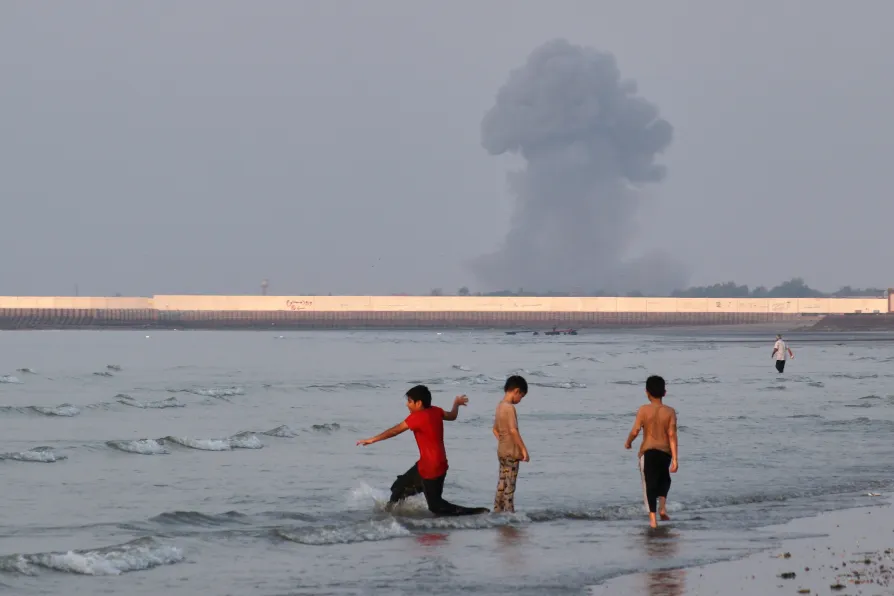
Behind the language of military strategy is a confrontation that risks drawing the wider Middle East into war, says STEVE BISHOP
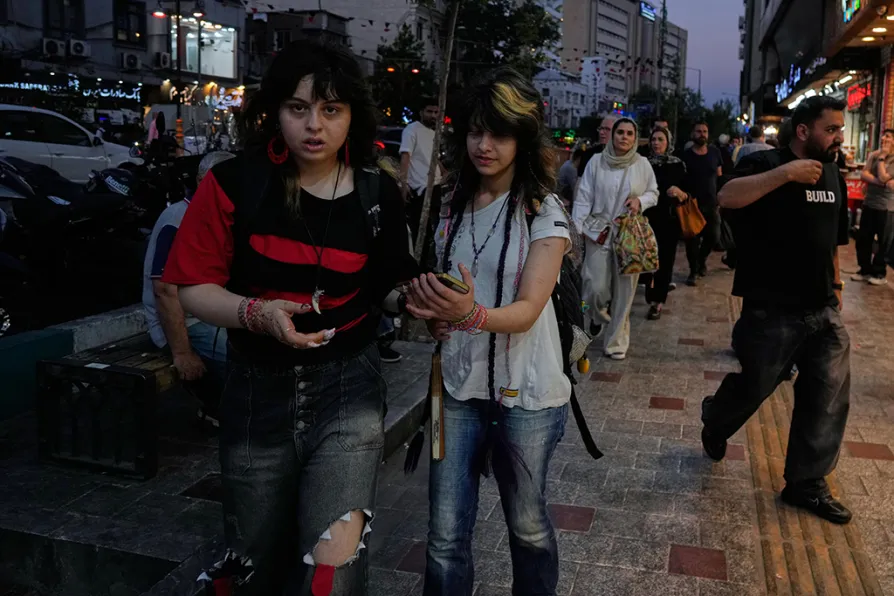
The ceasefire may have halted the fighting for now, but years of economic warfare and recent military attacks have left millions of Iranians facing hardship and uncertainty, says Codir’s RUBEN BRETT
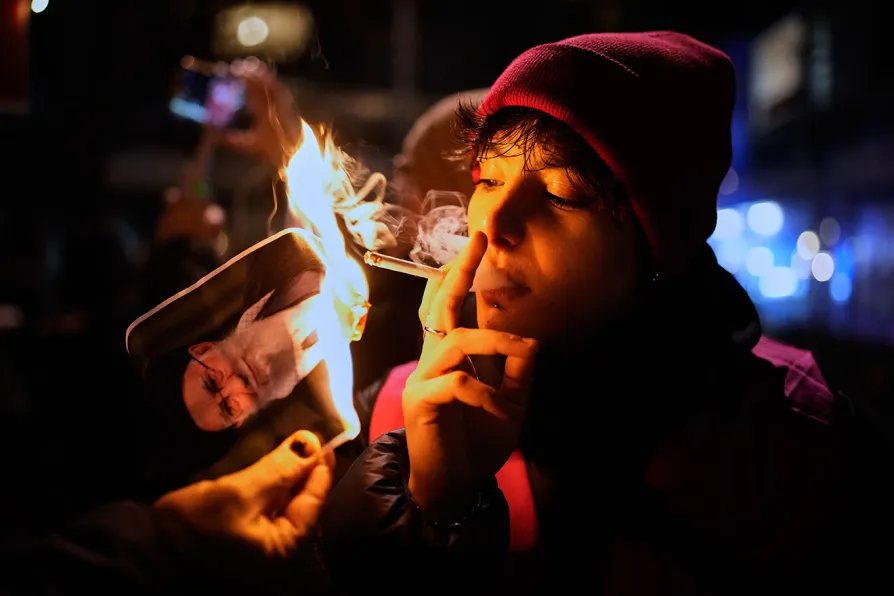
MOHAMMAD OMIDVAR, a senior figure in the Tudeh Party of Iran, tells the Morning Star that mass protests are rooted in poverty, corruption and neoliberal rule and warns against monarchist revival and US-engineered regime change
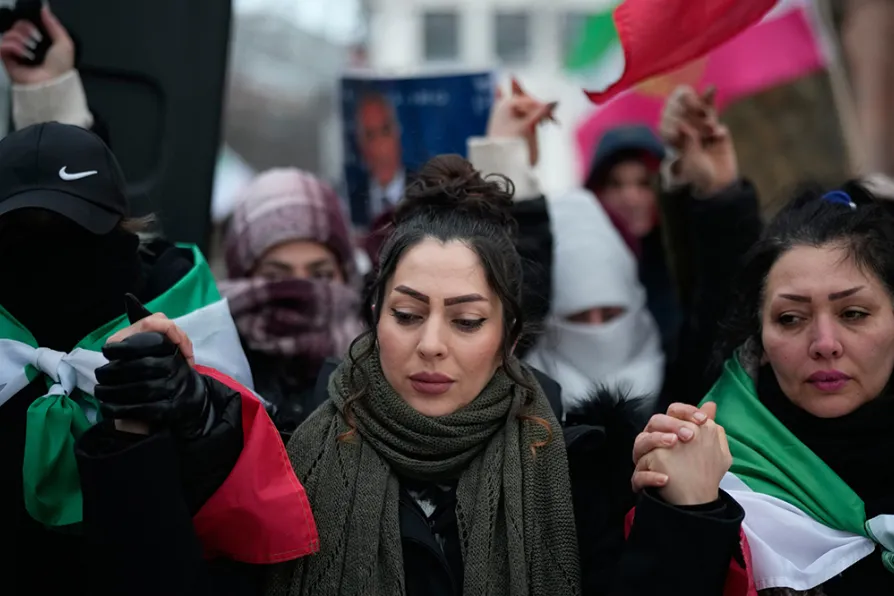
The Committee for the Defence of Iranian People’s Rights (Codir) welcomes demonstrations across Iran, which have put pressure upon the theocratic dictatorship, but warns against intervention by the United States to force Iran in a particular direction