In the wake of Ann Widdecombe’s murder, JOHN GREEN wonders whether the government will really get to grips with the root cause of these attacks on our MPs


 Latest editorial
 FAILURE TO SEE THE OBVIOUS: Day one of the 2023 World Triathlon Series event at Roker Beach, Sunderland where at least 57 triathletes fell ill with diarrhoea and vomiting after taking part in the competitions off the Wearside coast
In the wake of Ann Widdecombe’s murder, JOHN GREEN wonders whether the government will really get to grips with the root cause of these attacks on our MPs
Despite the screeching from the right-wing media, Burnham’s speech showed that far from being stuck in the past — he’s learning from it, says Morning Star editor BEN CHACKO
Nature as well as society works dialectically, asserts the Marx Memorial Library and Workers’ School
Rising temperatures and human activity are making life far harder for these vital pollinators. ALEX DITTRICH explains
Lesbians and Gays Support the Miners co-founder MIKE JACKSON talks to Matt Kerr about the enduring power of Pride, protest and trade unionism
Behind the language of military strategy is a confrontation that risks drawing the wider Middle East into war, says STEVE BISHOP




AS former secretary of state for Environment, Food and Rural Affairs Therese Coffey pre-empted her inevitable sacking by resigning last week, one could uncharitably say that a “Great Stink” of the Rishi Sunak government has departed, at least in relation to her record at the department.
Despite being regarded by many as bone idle, Coffey recently whined that she had, “nearly, dare I say it, died. I was in hospital for a month with some of the stresses that happen with ministerial life.” Which must have come as a great surprise to both her Suffolk Coastal constituents and those environmental and farmers’ groups whose meetings she tended to zone out in.
The infamous Great Stink of 1858 lasted two months; the tenure of Therese Coffey was just over a year. As to which caused the most damage, the jury has yet to decide; certainly, both created a stench that remained in the nation’s collective nostrils.
Unlike Coffey’s dismal record of shrugging off water pollution, the heatwave-induced Thames sewage crisis of July-August 1858 forced Parliament to deal with the problem of the vast quantities of human excrement and industrial waste pouring into the river — undoubtedly due to the fact that the reek was literally under their noses.
Charles Dickens wrote to a friend, “I can certify that the offensive smells, even in that short whiff, have been of a most head-and-stomach-distending nature.”
But credit where credit is due, the Earl of Derby’s Tory administration actually did something about the sewage (although a temporary move to St Albans or Oxford was contemplated), whereas Therese Coffey was content to (metaphorically) wallow in it.

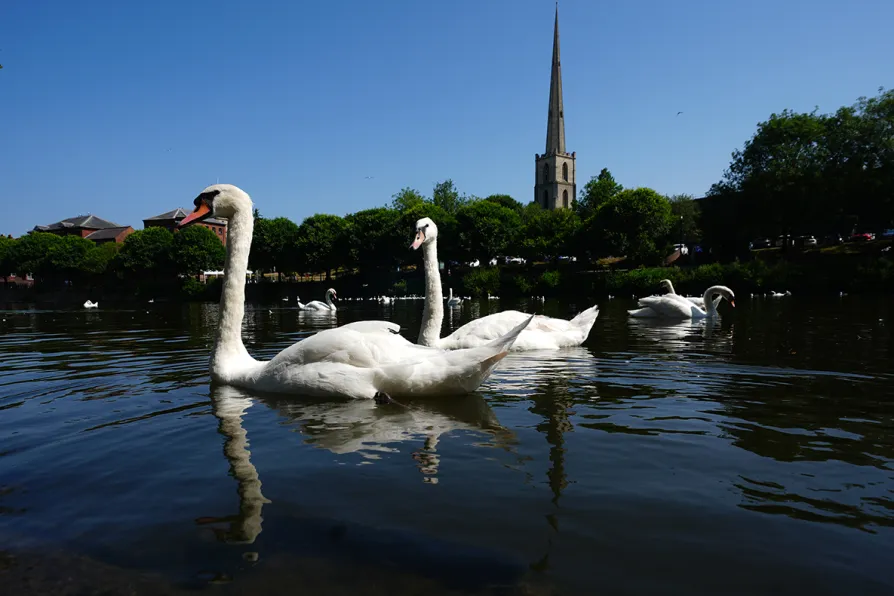
Capitalism has exploited — and polluted — our natural resources for too long, it’s time we treated our rivers as living beings, writes MIRIUM GAUNTLETT, LIAM SHAW and ROX MIDDLETON
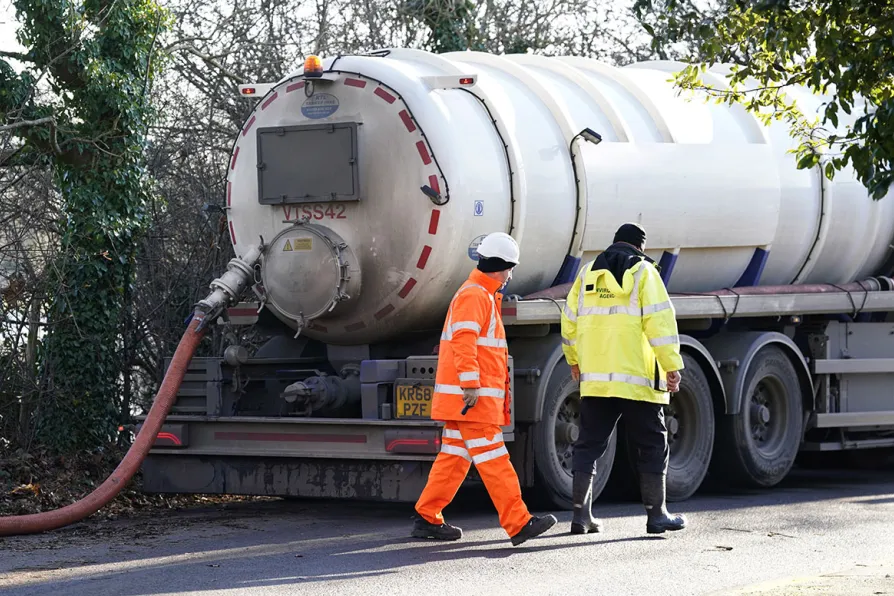
Channel 4’s Dirty Business shows why private companies cannot be trusted with vital services like water, says PAUL DONOVAN