The Tories introduced the 50% strike ballot threshold to make industrial action harder. MATT WRACK argues that a Labour government has no justification for leaving it on the statute book


 Latest editorial
Debt, a core tool of capitalism
Far from being opposed to it, capitalism depends on debt as a way of enforcing loyalty to the profit system from those that have the least to gain from it, explains JOHN GREEN
 The debt phenomenon is not just found in the housing market and the student loan business, but everywhere you look. Capitalists depend on selling ever more products; if they can’t sell, they make no profit. That is why we are urged to buy ever more consumer items by slick advertising and seductive publicity.

In the wake of Ann Widdecombe’s murder, JOHN GREEN wonders whether the government will really get to grips with the root cause of these attacks on our MPs
The new PM’s opening addresses offered hope, council homes and reform — but little detail on how any of it will be delivered, warns CLAUDIA WEBBE
Despite the screeching from the right-wing media, Burnham’s speech chimed with the public mood - and socialists should take advantage, says Morning Star editor BEN CHACKO
Scotland's Labour leader cannot continue to evade responsibility for the party's decline, argues LAUREN HARPER
Nature as well as society works dialectically, asserts the Marx Memorial Library and Workers’ School




BEING in debt and being unable to pay it off is one of the recurring nightmares for so many people and it has been the basis for many tragic lives in novels — most famously in Charles Dickens’s David Copperfield.
In David Copperfield, the clerk Wilkins Micawber was incarcerated in a debtors’ prison after failing to meet his creditors’ demands. His long-suffering wife Emma stood by him, despite his financial exigencies that forced her to pawn all her family’s possessions.
Micawber’s name has become synonymous with someone who lives in hopeful expectation but is always financially on the edge. This has formed the basis for the Micawber Principle: “Annual income twenty pounds, annual expenditure nineteen and six, result happiness. Annual income twenty pounds, annual expenditure twenty pounds nought and six, result misery.”

Similar stories

ANNA FISHER explores what would it mean for women’s equality and public safety if Britain embraces full commercialisation of the sex trade
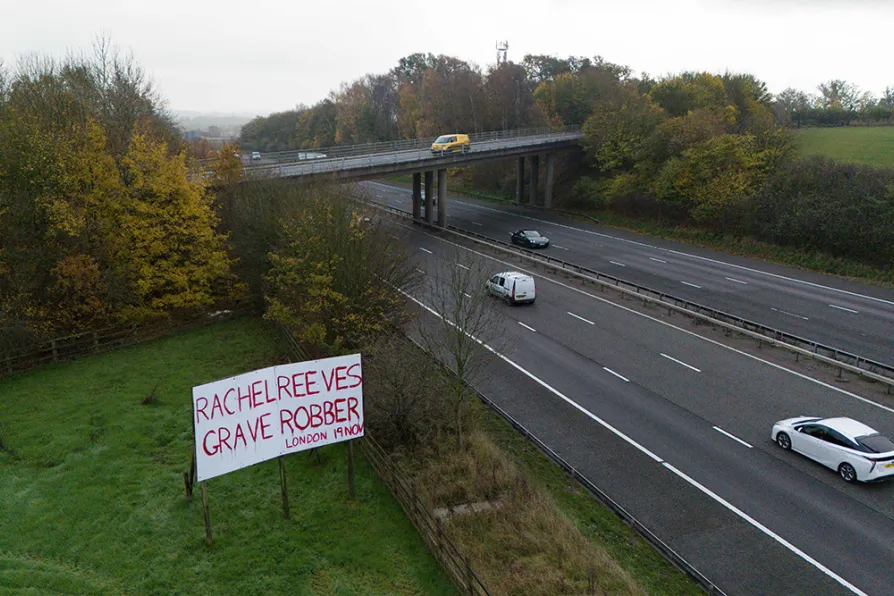
CAROL WILCOX argues for the proper implementation of the land value tax, which could see unused plots sold off and landlords priced out of landlordism, potentially resolving the housing and planning crises
DAVID MATTHEWS looks at what a collective future for welfare might have in store for us