The Tories introduced the 50% strike ballot threshold to make industrial action harder. MATT WRACK argues that a Labour government has no justification for leaving it on the statute book


 Latest editorial
We need to talk about the politics of climate experts
There is a left and right to environmentalism - and indeed a right and wrong: those who think infinite growth can continue under ‘green capitalism’ and those that face up to the truth of degrowth and regulating the market, explains IAN SINCLAIR
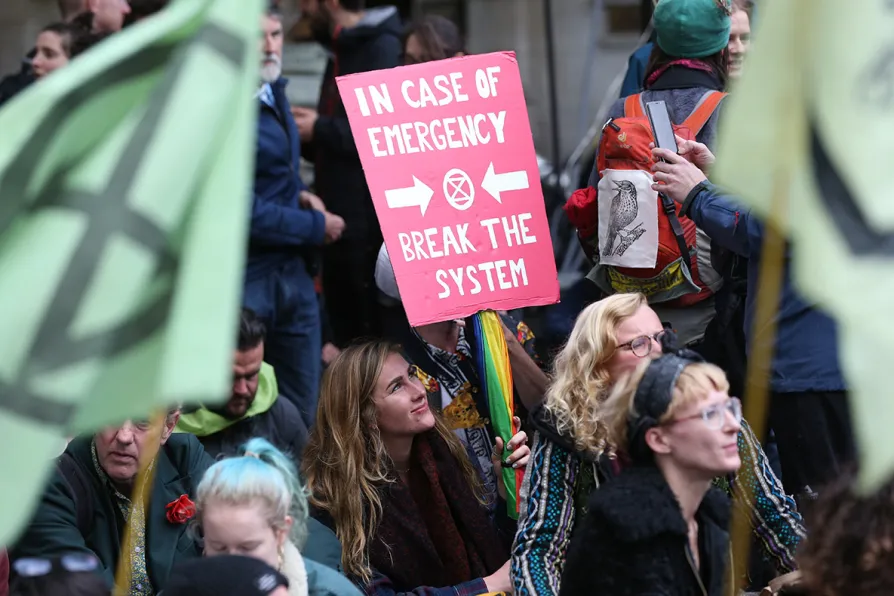 Extinction Rebellion (XR) protest in Westminster, London.
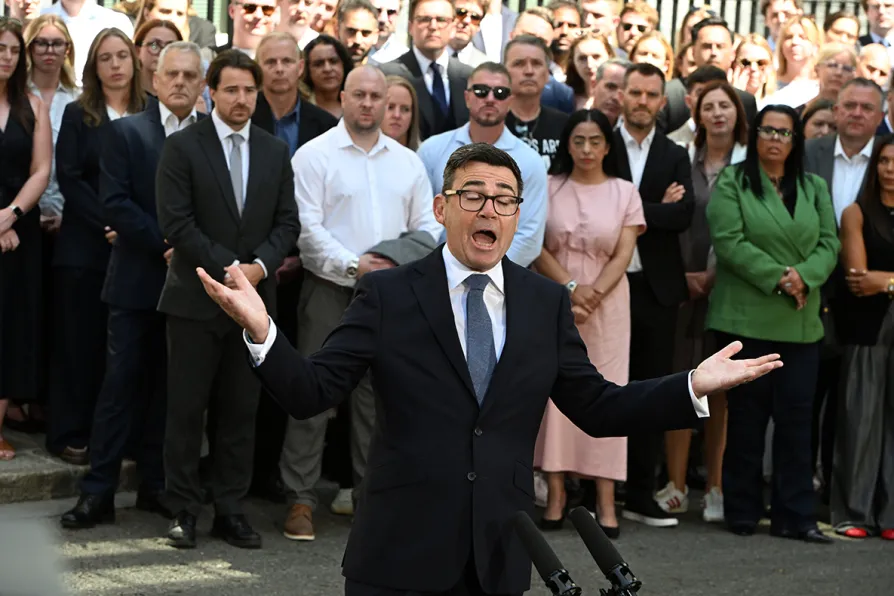
In the wake of Ann Widdecombe’s murder, JOHN GREEN wonders whether the government will really get to grips with the root cause of these attacks on our MPs
The new PM’s opening addresses offered hope, council homes and reform — but little detail on how any of it will be delivered, warns CLAUDIA WEBBE
Despite the screeching from the right-wing media, Burnham’s speech chimed with the public mood - and socialists should take advantage, says Morning Star editor BEN CHACKO
Scotland's Labour leader cannot continue to evade responsibility for the party's decline, argues LAUREN HARPER
Nature as well as society works dialectically, asserts the Marx Memorial Library and Workers’ School




IT IS widely understood that the very powerful forces of climate change denial have delayed action to address the climate crisis and thus are responsible for a huge amount of suffering and deaths attributable to climate breakdown.
Less appreciated is the unintended impact these dark corporate interests have had on the popular perception of climate experts. For example, having only recently started to move beyond framing the debate as being between denialists and those who accept the scientific consensus, the media largely present climate experts as one big monolithic block. Rarely do they explore the different politics that exist amongst the climate community.
This is deeply unhelpful, because the politics of individual climate specialists and research institutions have huge ramifications in terms of discussing the climate crisis, about who or what is to blame and therefore what action needs to be taken and when.

Similar stories
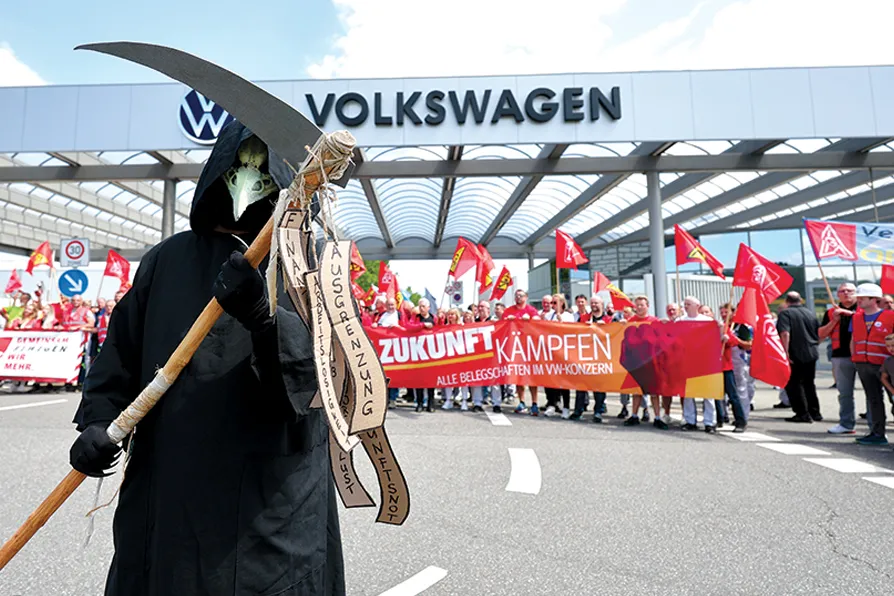
The future does not have to be climate chaos and social breakdown. MARC VANDEPITTE looks at the alternatives offered by the Global Justice Report, co-authored by Thomas Piketty
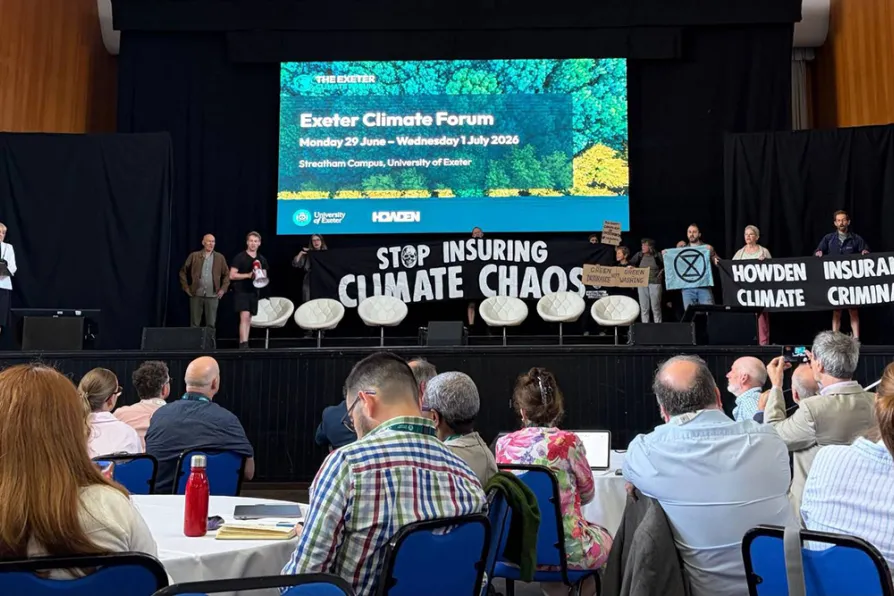
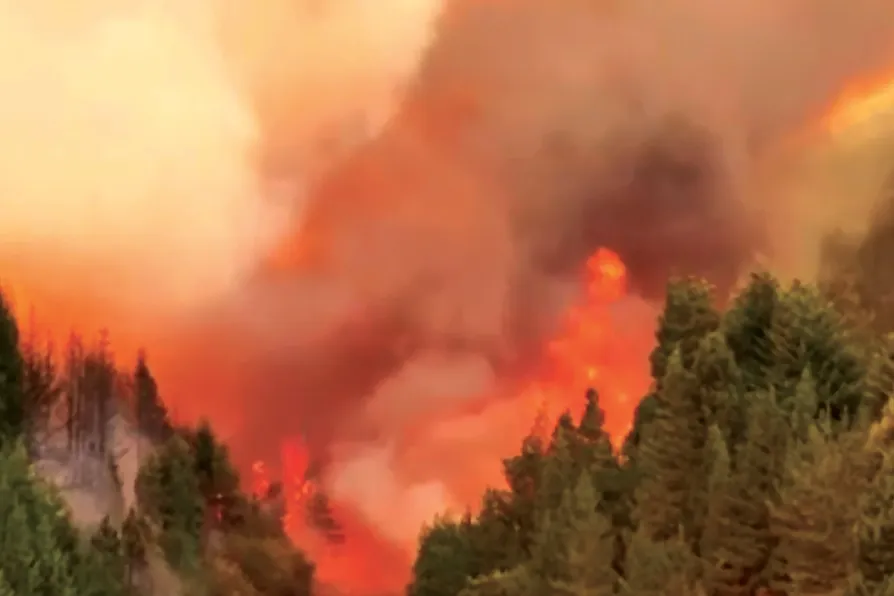
Established as a landmark victory for the climate movement, the CCC promised to hold governments to account. Today, it is understating the danger of climate chaos and impeding the radical action needed, says IAN SINCLAIR
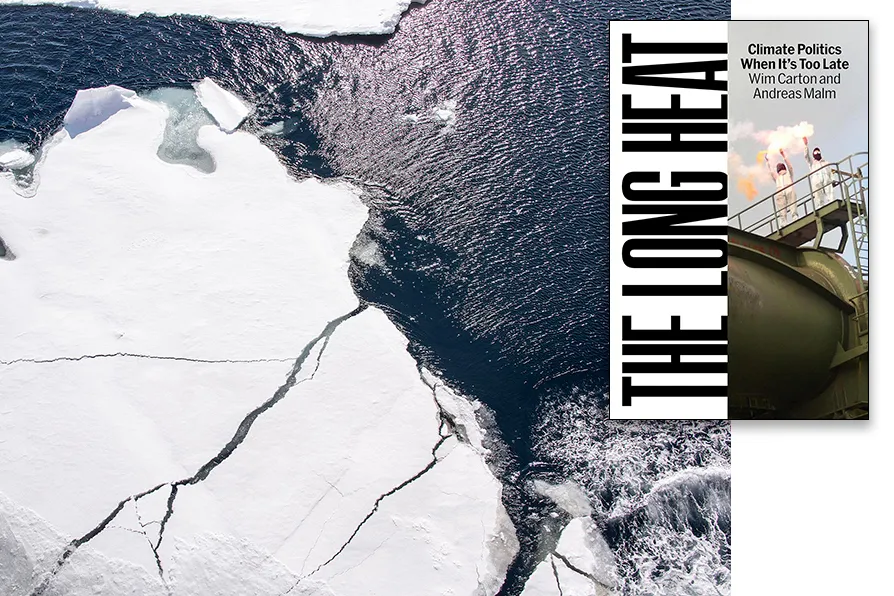
IAN SINCLAIR recommends an important and timely book for climate politics right now and in the future