The Tories introduced the 50% strike ballot threshold to make industrial action harder. MATT WRACK argues that a Labour government has no justification for leaving it on the statute book


 Latest editorial
All eyes on New Zealand's Fair Pay Agreements
The British labour movement should watch events in New Zealand carefully as a legal leap in workplace recognition is being introduced while bosses and conservatives vow to resist it, reports TONY BURKE
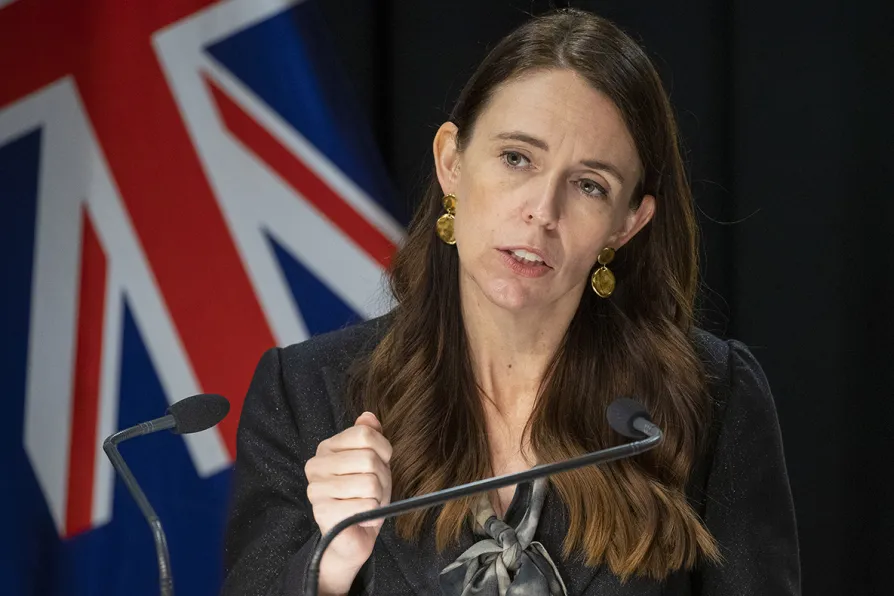 PM
Jacinda Ardern is confident the pro-worker legislation will pass
PM
Jacinda Ardern is confident the pro-worker legislation will pass

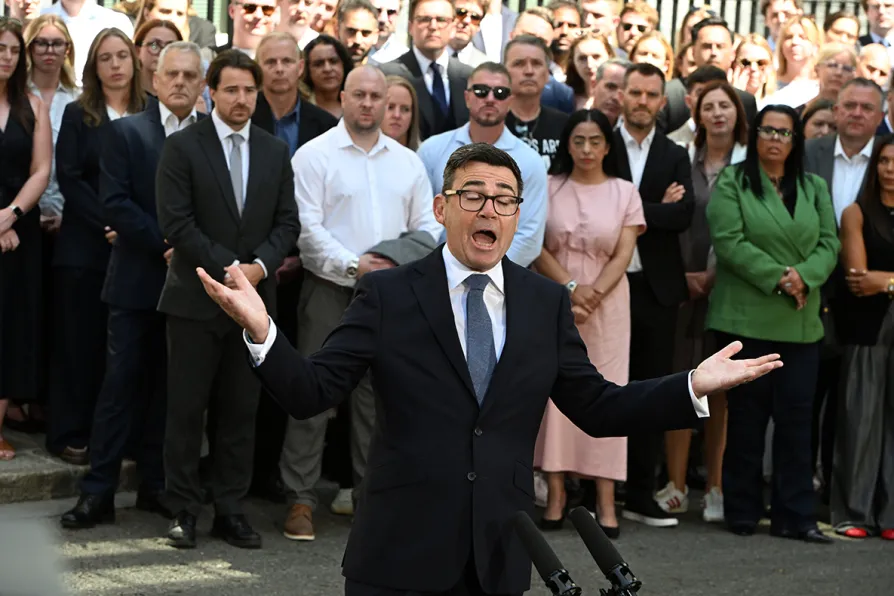
In the wake of Ann Widdecombe’s murder, JOHN GREEN wonders whether the government will really get to grips with the root cause of these attacks on our MPs
The new PM’s opening addresses offered hope, council homes and reform — but little detail on how any of it will be delivered, warns CLAUDIA WEBBE
Despite the screeching from the right-wing media, Burnham’s speech chimed with the public mood - and socialists should take advantage, says Morning Star editor BEN CHACKO
Scotland's Labour leader cannot continue to evade responsibility for the party's decline, argues LAUREN HARPER
Nature as well as society works dialectically, asserts the Marx Memorial Library and Workers’ School




JACINDA ARDERN’S Labour government in New Zealand has introduced legislation to enable industry-wide collective bargaining where unions can demonstrate worker support, or it passes a public interest test.
New Zealand’s Minister for Workplace Relations Michael Wood introduced the Fair Pay Agreement (FPA) Bill into Parliament, delivering on a Labour campaign pledge at the 2020 election.
New Zealand’s industrial relations system currently only permits collective bargaining at an enterprise level, between individual employers and unions.

Similar stories
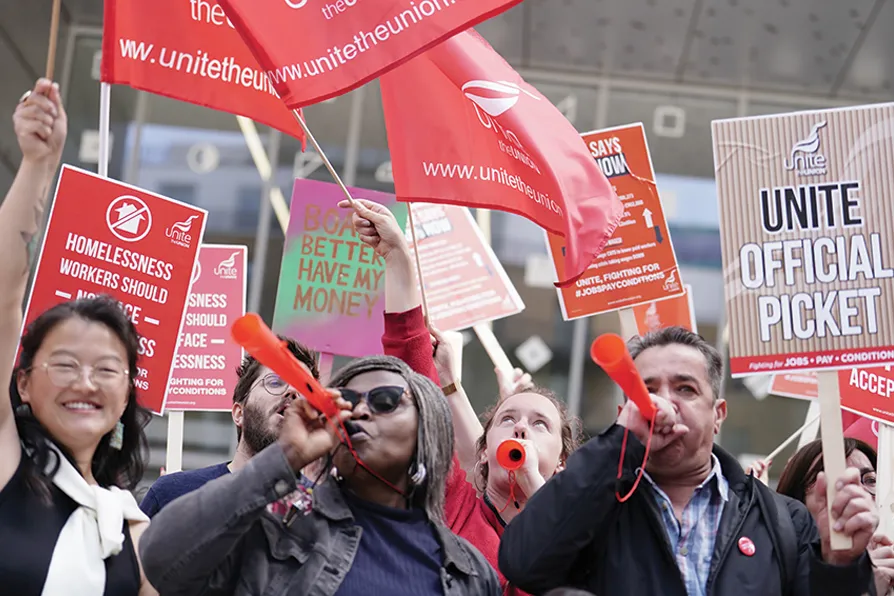
The unions are unhappy with the Employment Rights Act 2025 and with good reason. KEITH EWING and Lord JOHN HENDY KC take a close look at why the Bill promised more than it delivered
Labour’s long-promised Act has scraped through the Lords. While the law marks a step forward, its lack of collective rights leaves workers short-changed — and sets the stage for a renewed campaign for an Employment Rights Bill #2, argues TONY BURKE
Employment lawyer ALICE BOWMAN warns ‘day one rights’ include an undefined ‘initial period’ and the zero-hours contract fixes create baffling fixed-term loopholes. If the Bill doesn’t work properly and deliver, Labour is doomed
Labour must not allow unelected members of the upper house to erode a single provision of the Employment Rights Bill, argues ANDY MCDONALD MP