The Tories introduced the 50% strike ballot threshold to make industrial action harder. MATT WRACK argues that a Labour government has no justification for leaving it on the statute book


 Latest editorial
I will survive
Working out the survival rates of medieval manuscripts needed surprise input from those studying animal diversity – and reminds us on the left to make sure we keep our own story safe, write ROX MIDDLETON, LIAM SHAW and JOEL HELLEWELL


In the wake of Ann Widdecombe’s murder, JOHN GREEN wonders whether the government will really get to grips with the root cause of these attacks on our MPs
The new PM’s opening addresses offered hope, council homes and reform — but little detail on how any of it will be delivered, warns CLAUDIA WEBBE
Despite the screeching from the right-wing media, Burnham’s speech chimed with the public mood - and socialists should take advantage, says Morning Star editor BEN CHACKO
Scotland's Labour leader cannot continue to evade responsibility for the party's decline, argues LAUREN HARPER
Nature as well as society works dialectically, asserts the Marx Memorial Library and Workers’ School




HISTORIANS must work with limited information about the past.
First, what is set down is a biased subset to begin with. The experiences of the working class in England before the Industrial Revolution, for example, are much harder to reconstruct than the royal court.
Second, even written records can be lost, crumble away in attics, or be burned in library fires. So the evidence that does survive today from the past is a proportion of what once existed. But what is that proportion?

Similar stories

Nature as well as society works dialectically, asserts the Marx Memorial Library and Workers’ School

ROGER McKENZIE draws attention to the much-neglected oral traditions of the global South that define the identity – and therefore the liberation – of its custodians
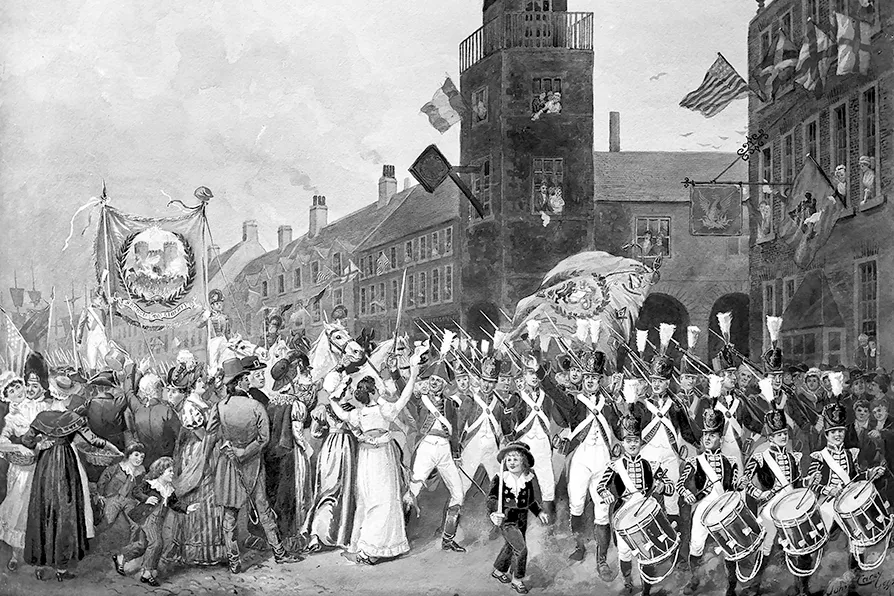
TOM GALLAHUE argues that asking what role Irish diaspora educators can play in shaping Irish unity is to ask a deeper question about democracy itself
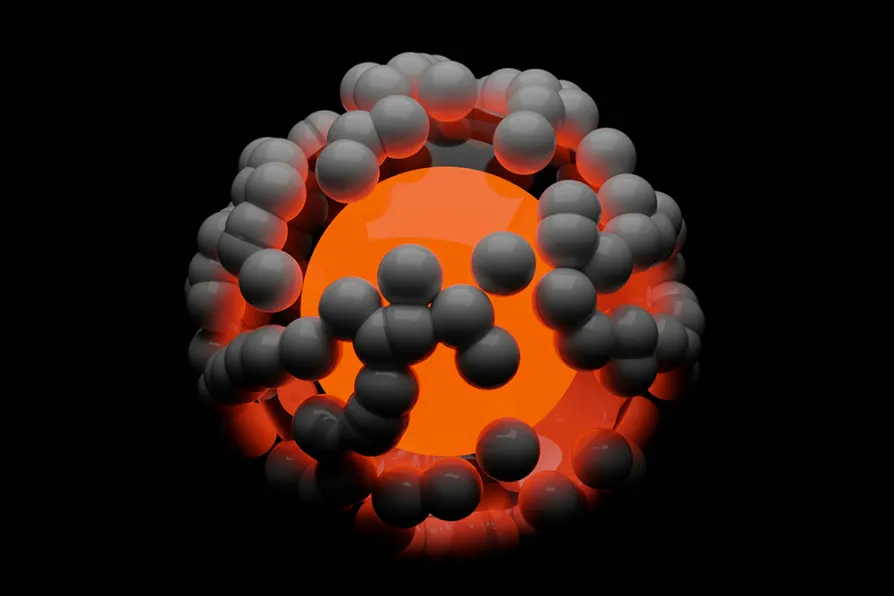
Neutrinos are so abundant that 400 trillion pass through your body every second. ROX MIDDLETON, LIAM SHAW and MIRIAM GAUNTLETT explain how scientists are seeking to know more about them