The Tories introduced the 50% strike ballot threshold to make industrial action harder. MATT WRACK argues that a Labour government has no justification for leaving it on the statute book


 Latest editorial
Namibia: a massacre the world forgot
After Germany lost WWI and with it Namibia, its colonial crimes there were almost buried — until the efforts of the socialist GDR, who in 1974 sent JOHN GREEN undercover to document the nation's past and present struggles
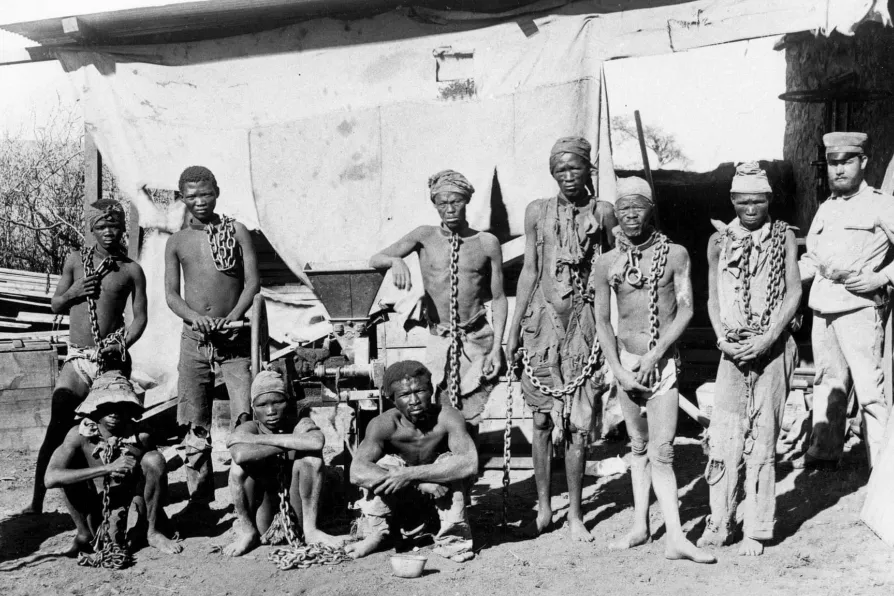 Captured Herero and Nama prisoners circa 1904. The Germans massacred large numbers of the indigenous population: between 24,000-100,000 Hereros and 10,000 Nama were killed in the 20th century’s first genocide.

In the wake of Ann Widdecombe’s murder, JOHN GREEN wonders whether the government will really get to grips with the root cause of these attacks on our MPs
The new PM’s opening addresses offered hope, council homes and reform — but little detail on how any of it will be delivered, warns CLAUDIA WEBBE
Despite the screeching from the right-wing media, Burnham’s speech chimed with the public mood - and socialists should take advantage, says Morning Star editor BEN CHACKO
Scotland's Labour leader cannot continue to evade responsibility for the party's decline, argues LAUREN HARPER
Nature as well as society works dialectically, asserts the Marx Memorial Library and Workers’ School


IF WE think about the toxic colonial legacy of European countries, we invariably think of Britain, Spain, France or Belgium — but who knows anything about German colonialism? That will certainly be true for many, at least before they read the recent novel, After Lives by last year’s Nobel Prize winner, Tanzanian-born novelist Abdulrazak Gurnah, who highlights the brutality of German colonialism in Tanganyika.
Germany, just like other colonising nations, has scrupulously evaded examining its colonial past or attempting to come to terms with it.
Before its defeat in World War I, Germany held colonies in what today are 14 separate countries in Africa and among them was South-West Africa (present day Namibia). German South-West Africa had been a colony of the German empire from 1884 until 1915.

Similar stories
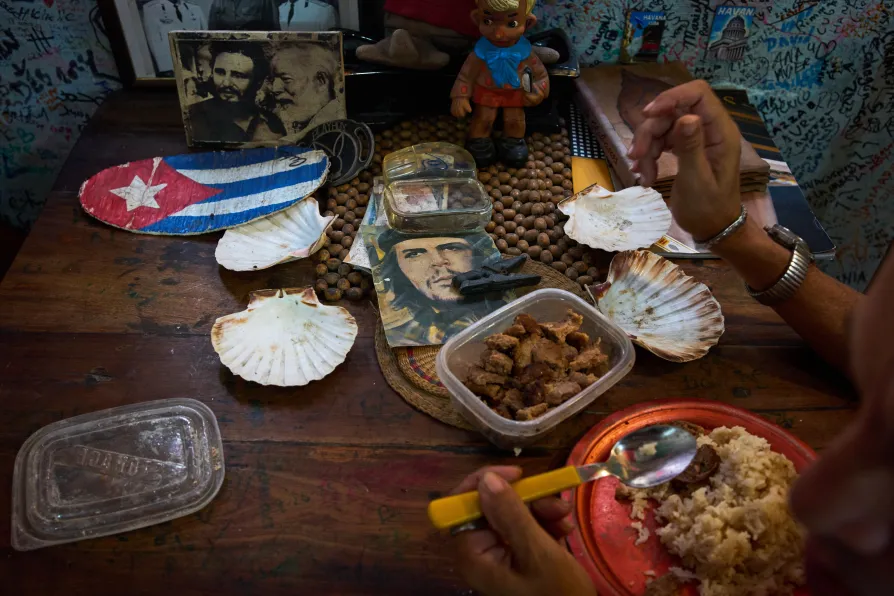
Cuba continues to embody a vision of internationalism that imperialism has never forgiven, argues ZOLTAN ZIGEDY

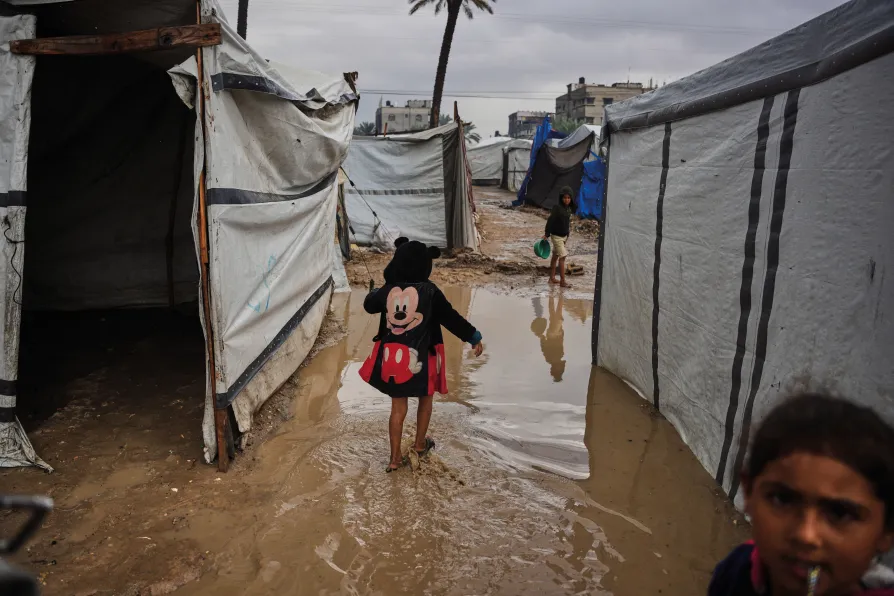
Washington and its Western allies decry human rights abuses while arming and shielding Israel, turning contradiction into policy, argues RAMZY BAROUD
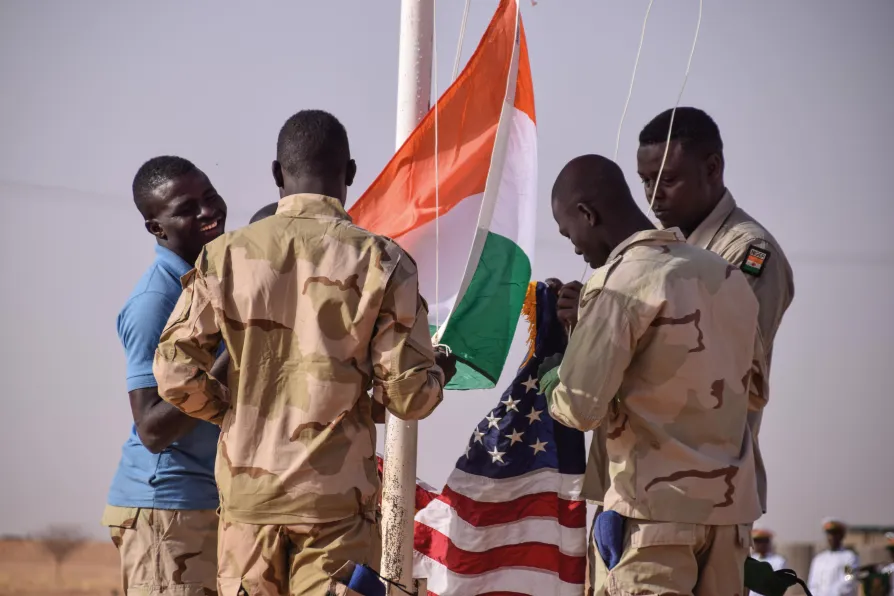
ROGER McKENZIE reports on the west African country, under its new anti-imperialist government, taking up the case for compensation for colonial-era massacres