The Tories introduced the 50% strike ballot threshold to make industrial action harder. MATT WRACK argues that a Labour government has no justification for leaving it on the statute book


 Latest editorial
The Paterson affair: the ugly head of Old Corruption rears?
Boris Johnson’s attempt to save a Tory MP by trying to change the rules against corrupt behaviour brings to mind the the pre-reformed Parliament of the 1800s when the the uneven distribution of favours nearly led to revolution
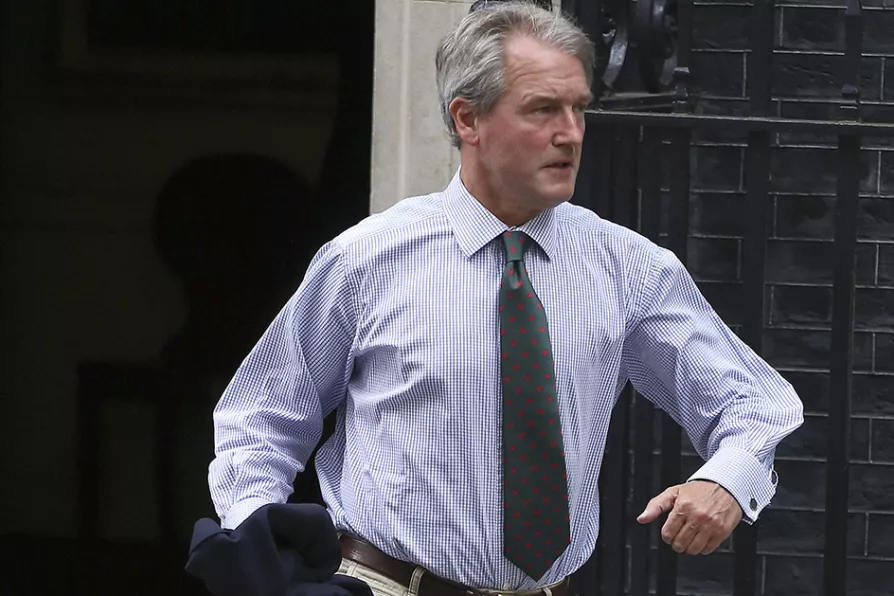 Owen Paterson, who has now resigned after the government's bid to shield him from the consequences of paid lobbying failed

In the wake of Ann Widdecombe’s murder, JOHN GREEN wonders whether the government will really get to grips with the root cause of these attacks on our MPs
The new PM’s opening addresses offered hope, council homes and reform — but little detail on how any of it will be delivered, warns CLAUDIA WEBBE
Despite the screeching from the right-wing media, Burnham’s speech chimed with the public mood - and socialists should take advantage, says Morning Star editor BEN CHACKO
Scotland's Labour leader cannot continue to evade responsibility for the party's decline, argues LAUREN HARPER
Nature as well as society works dialectically, asserts the Marx Memorial Library and Workers’ School



THERE was rightly a furore after Tory MPs (for the most part) voted not to carry through the suspension of Tory MP Owen Paterson from Parliament (Paterson himself voted against his suspension) for breaching lobbying rules — a decision which Keir Starmer correctly labelled “corruption.”
MPs have expected standards of behaviour and an independent committee found that Paterson had broken them.
Johnson’s response was not to back the committee but to have a look and see if rules could be changed to allow corrupt dealings.

Similar stories

Labour movement history in Britain shows workers secured reforms through collective pressure and political representation, rather than being gifted from above, writes KEITH FLETT
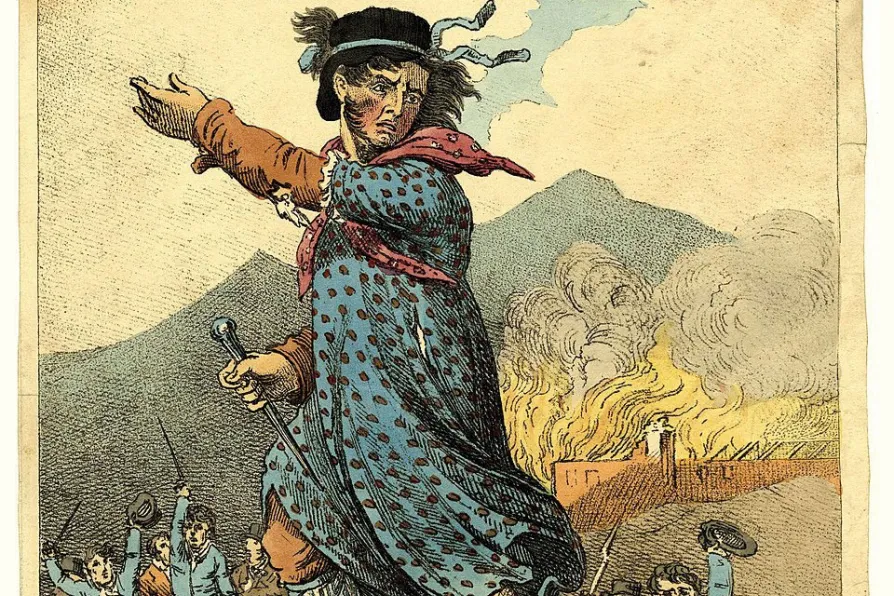
Inspired by a hit TV show, KEITH FLETT takes a look at the murky history of undercover class war
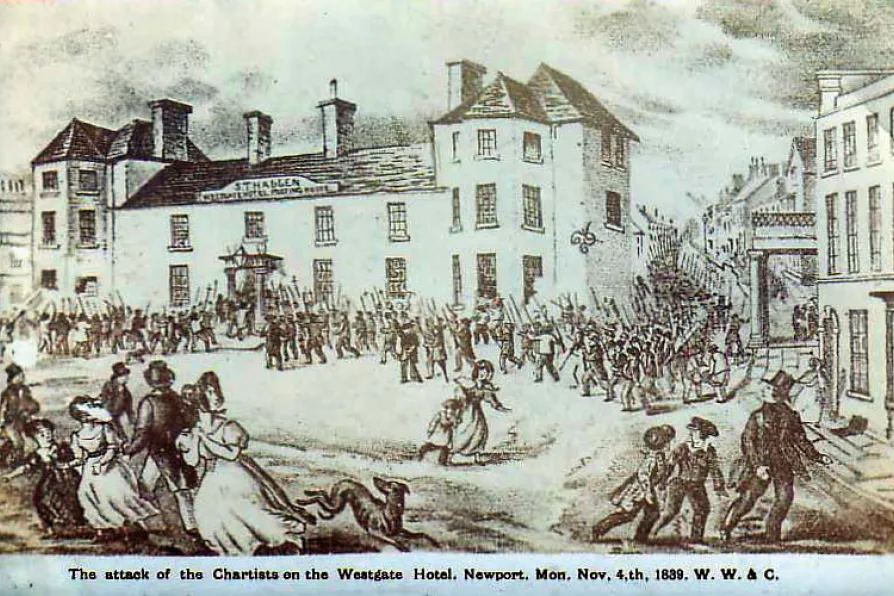
It’s not just the Starmer regime: the workers of Britain have always faced legal affronts on their right to assemble and dissent, and the Labour Party especially has meddled with our freedoms from its earliest days, writes KEITH FLETT
Who you ask and how you ask matter, as does why you are asking — the history of opinion polls shows they are as much about creating opinions as they are about recording them, writes socialist historian KEITH FLETT