The Tories introduced the 50% strike ballot threshold to make industrial action harder. MATT WRACK argues that a Labour government has no justification for leaving it on the statute book


 Latest editorial
BBC Newsnight: how its guest choices distort the reality of war
After the fall of Kabul, the BBC's flagship news programme chose to interview only those who were likely to sympathise or feel complicit with the failed 20-year occupation — but it is also who they didn't speak to that reveals the state broadcaster's agenda, writes IAN SINCLAIR
In the wake of Ann Widdecombe’s murder, JOHN GREEN wonders whether the government will really get to grips with the root cause of these attacks on our MPs
The new PM’s opening addresses offered hope, council homes and reform — but little detail on how any of it will be delivered, warns CLAUDIA WEBBE
Despite the screeching from the right-wing media, Burnham’s speech chimed with the public mood - and socialists should take advantage, says Morning Star editor BEN CHACKO
Scotland's Labour leader cannot continue to evade responsibility for the party's decline, argues LAUREN HARPER
Nature as well as society works dialectically, asserts the Marx Memorial Library and Workers’ School



“WATCH Newsnight tonight.” This was the response from BBC Newsnight’s Policy Editor Lewis Goodall to someone tweeting on August 12, “Who should I follow to understand the contemporary situation in Afghanistan? Feel like the media in the UK not covering it enough/from all angles.”
How well has Newsnight been reporting on Afghanistan? In an attempt to gain some insight into this question, I made a list of the people the BBC news programme directly interviewed about Afghanistan in August, when Western military forces were compelled to hastily withdraw and a crisis ensued in and around Kabul airport.
This amounted to 118 people interviewed either from the studio or as part of a video report (this figure includes multiple appearances on different days by the same person). I didn’t include pooled news clips of speeches and interviews — those shared with other outlets — which were largely of US-British government and military figures.

Similar stories
ANGUS REID considers the power of the podcast as a vehicle for consensus building in opposition to mainstream media narratives
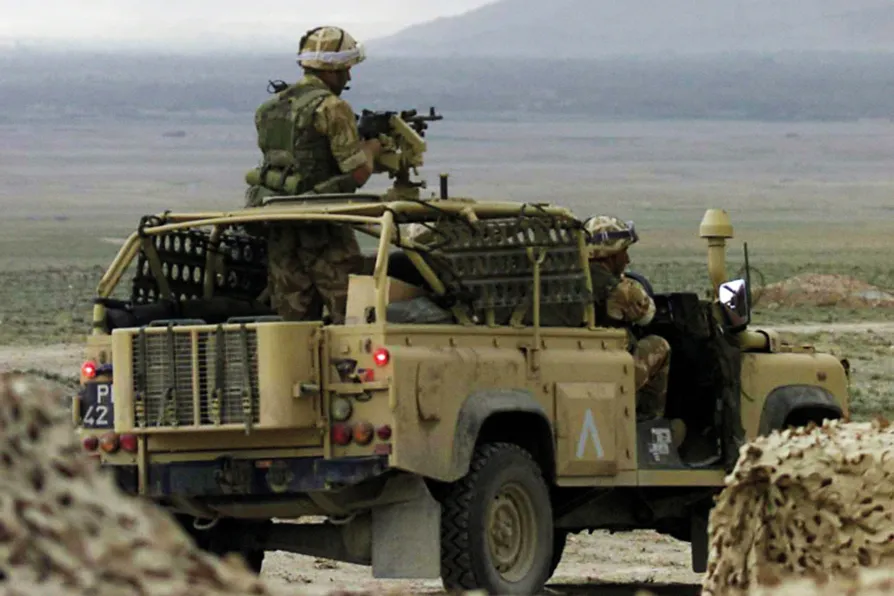
Outrage greeted Donald Trump’s suggestion earlier this year that Britain stayed off the front lines. But evidence suggests our forces were at times pulled from the most dangerous fighting — not by military failure, but by pressure at home, says IAN SINCLAIR
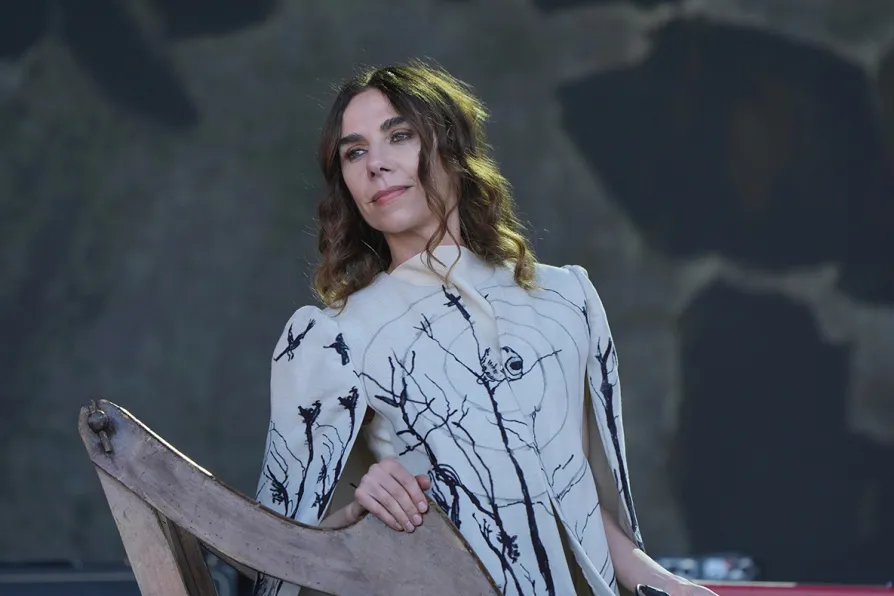
On January 2 2014, PJ Harvey used her turn as guest editor of the Today programme to expose the realities of war, arms dealing and media complicity. The fury that followed showed how rare – and how threatening – such honesty is within Britain’s most Establishment broadcaster, says IAN SINCLAIR
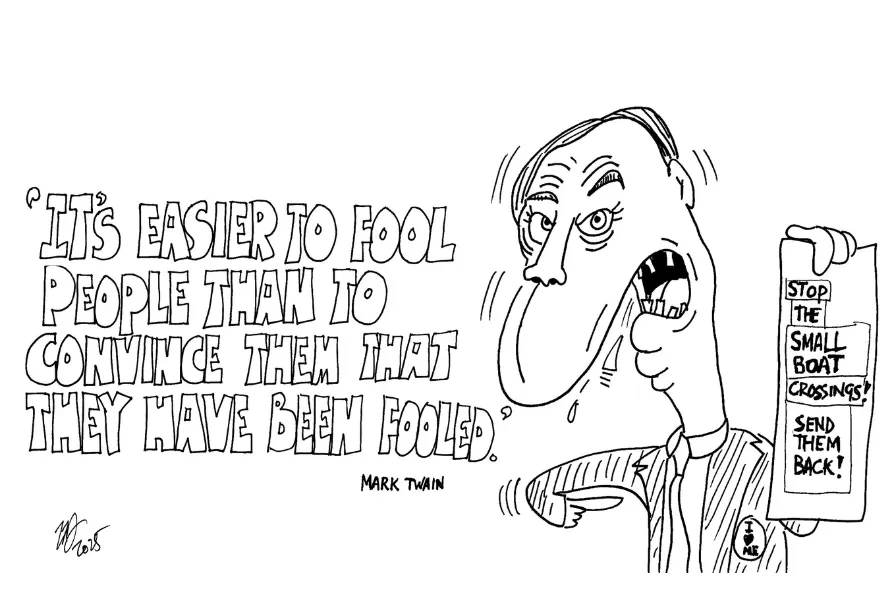
Labour councillor PAUL DONOVAN wonders why the right-wing party gets so much more media attention than it seems to merit