The Tories introduced the 50% strike ballot threshold to make industrial action harder. MATT WRACK argues that a Labour government has no justification for leaving it on the statute book


 Latest editorial
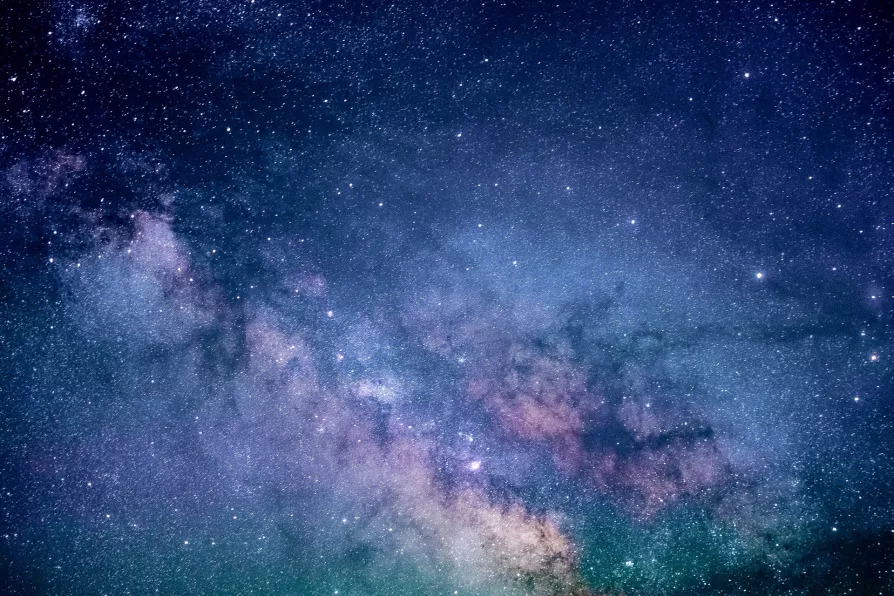
Scotland’s observatories teach us to see in the dark
In June a major centre for stargazing in Scotland burnt to the ground, reminding us of the importance of making knowledge accessible to everyone, write ROX MIDDLETON, JOEL HELLEWELL and LIAM SHAW

In the wake of Ann Widdecombe’s murder, JOHN GREEN wonders whether the government will really get to grips with the root cause of these attacks on our MPs
The new PM’s opening addresses offered hope, council homes and reform — but little detail on how any of it will be delivered, warns CLAUDIA WEBBE
Despite the screeching from the right-wing media, Burnham’s speech chimed with the public mood - and socialists should take advantage, says Morning Star editor BEN CHACKO
Scotland's Labour leader cannot continue to evade responsibility for the party's decline, argues LAUREN HARPER
Nature as well as society works dialectically, asserts the Marx Memorial Library and Workers’ School




GAZING at the stars has been the source of inspiration for poetry, fortune-telling and mapping since prehistory.
Although now divorced for most people from the act of stargazing, the origin of much of modern science, and much cultural practice, from horoscopes to religion, lies in the observation of the positions of stars and planets.
These features of the night sky, since there have been humans to wonder at them, have inspired and informed us forever.

Similar stories
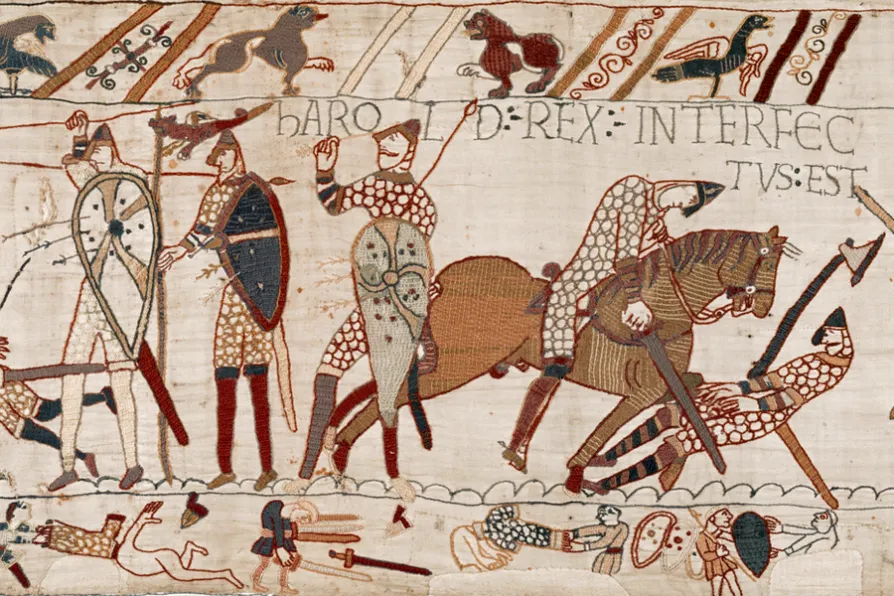
STEPHANIE BROWN draws attention to the hidden labour of the female embroiderers, and how a 19th century replica made no such error
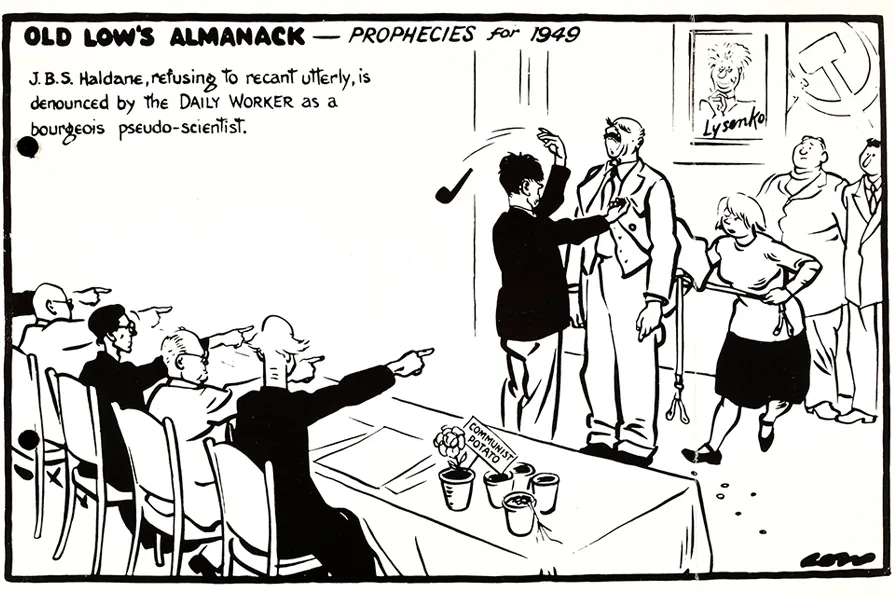
JOHN GREEN’s palate is tickled by useful information leavened by amusing and unusual anecdotes, incidental gossip and scare stories
Neutrinos are so abundant that 400 trillion pass through your body every second. ROX MIDDLETON, LIAM SHAW and MIRIAM GAUNTLETT explain how scientists are seeking to know more about them
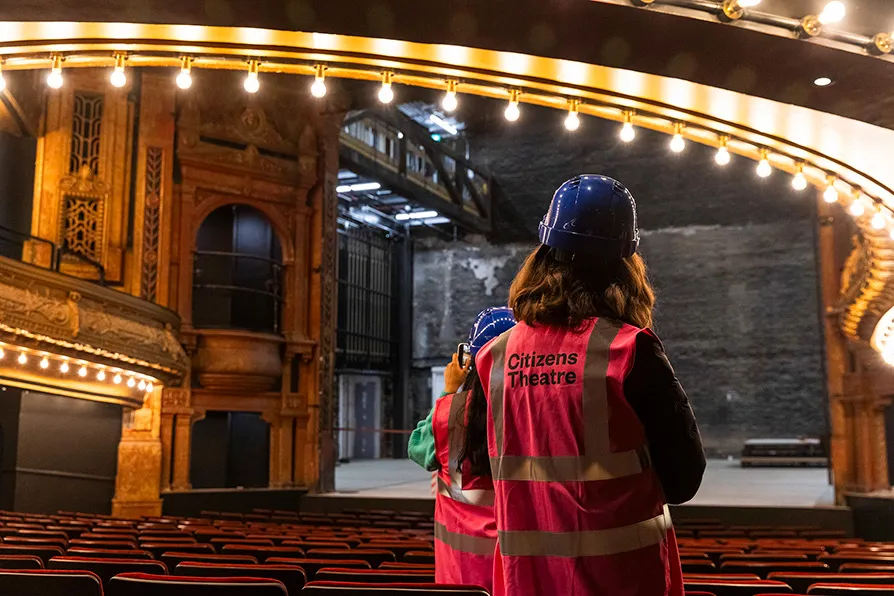
ANDREW FILMER welcomes the reopening of Glasgow’s landmark theatre after a seven-year transformation