The Tories introduced the 50% strike ballot threshold to make industrial action harder. MATT WRACK argues that a Labour government has no justification for leaving it on the statute book


 Latest editorial
Moths: natural history and human history
Moths cause huge damage to clothes, carpets and crops, but they’re so much more than just pests, explain SCIENCE AND SOCIETY
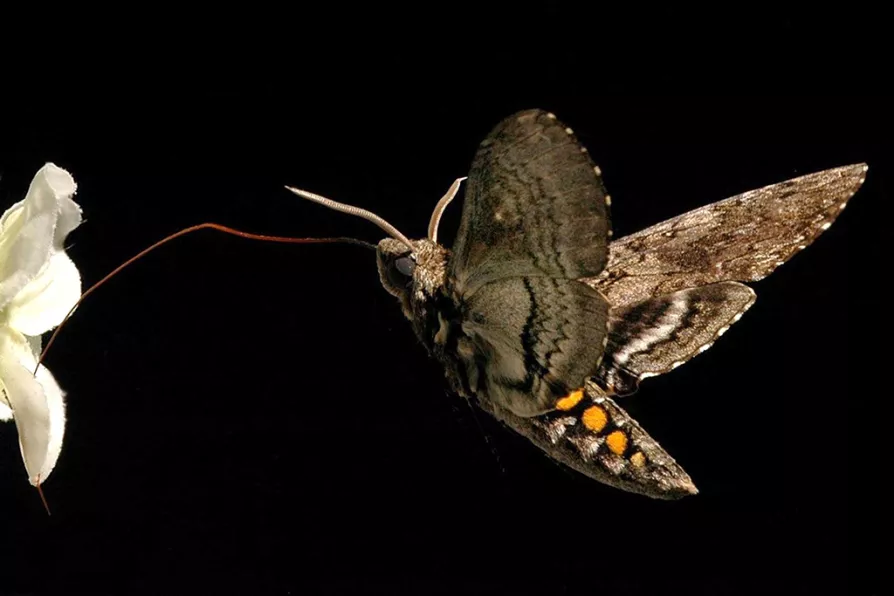 A Hawkmoth collecting nectar

In the wake of Ann Widdecombe’s murder, JOHN GREEN wonders whether the government will really get to grips with the root cause of these attacks on our MPs
The new PM’s opening addresses offered hope, council homes and reform — but little detail on how any of it will be delivered, warns CLAUDIA WEBBE
Despite the screeching from the right-wing media, Burnham’s speech chimed with the public mood - and socialists should take advantage, says Morning Star editor BEN CHACKO
Scotland's Labour leader cannot continue to evade responsibility for the party's decline, argues LAUREN HARPER
Nature as well as society works dialectically, asserts the Marx Memorial Library and Workers’ School




THE occurrence of household moths in Britain has seen a striking rise in recent years according to English Heritage. The anger and hatred of those who’ve survived a moth infestation is understandable, but most moths are unfairly maligned.
Unlike butterflies, which form a group of all the descendants of a single ancestor, moths are much more genetically diverse, having diverged from each other at an earlier point. There were early moths 300 million years ago, which adapted into modern moths alongside early flowers.
There are 160,000 known species of lepidoptera (moths and butterflies) worldwide, and more are still being discovered. While there are just 59 species of butterfly found in Britain, there are 2,500 known moth species, 900 of them “macro” moth species with wingspans generally longer than 2cm. Surprisingly only three moth species (all micro-moths) live indoors and cause damage to clothing and carpets.

Similar stories
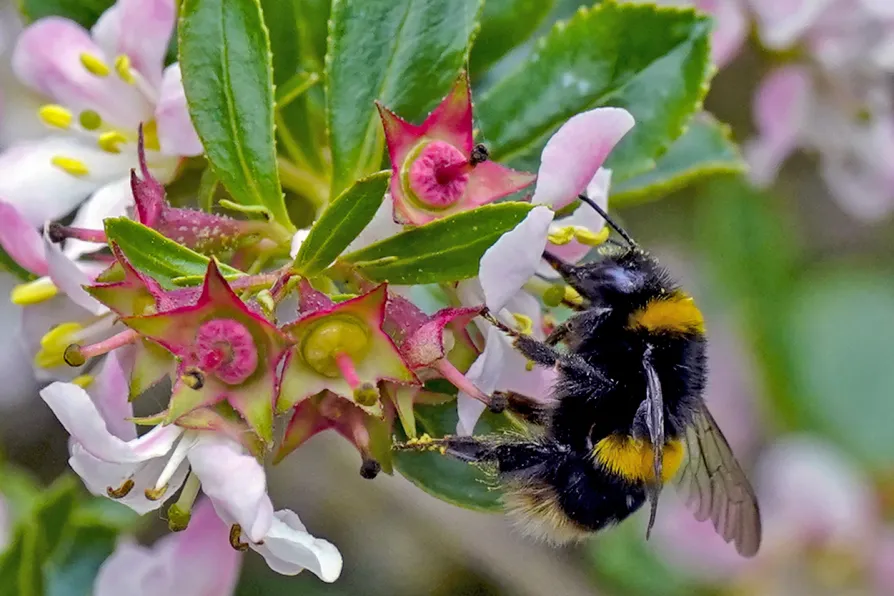
Rising temperatures and human activity are making life far harder for these vital pollinators. ALEX DITTRICH explains
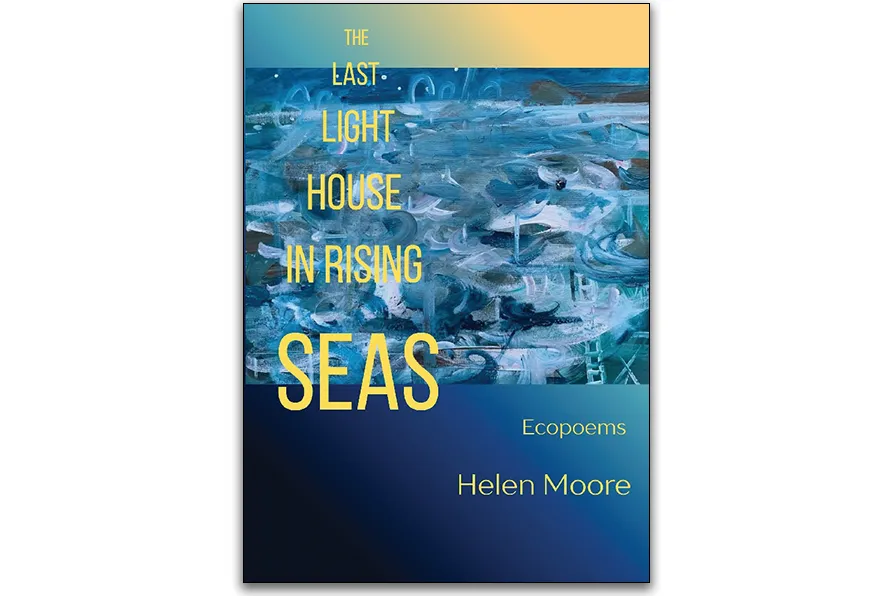
ALAN MORRISON welcomes a new collection from the most imaginative and committed ecopoet of our time
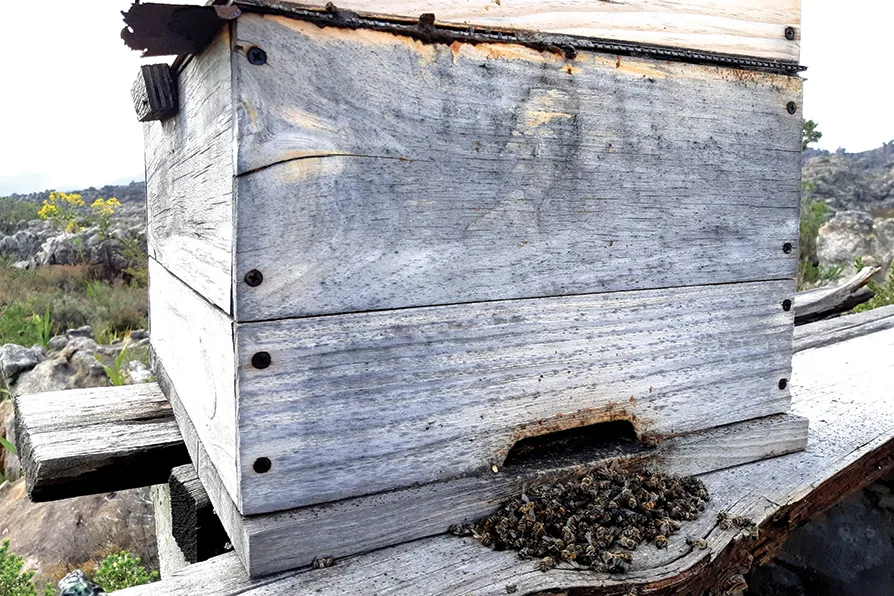
The West’s dangerous pesticide dumping in Africa is threatening biodiversity, population health and food sovereignty, argues ROGER McKENZIE
One of the major criticisms of China’s breakneck development in recent decades has been the impact on nature — returning after 15 years away, BEN CHACKO assessed whether the government’s recent turn to environmentalism has yielded results