The Tories introduced the 50% strike ballot threshold to make industrial action harder. MATT WRACK argues that a Labour government has no justification for leaving it on the statute book


 Latest editorial
The Bite of the Bumblebee
SCIENCE AND SOCIETY explains why hungry bumblebees cause plants to flower when spring comes early
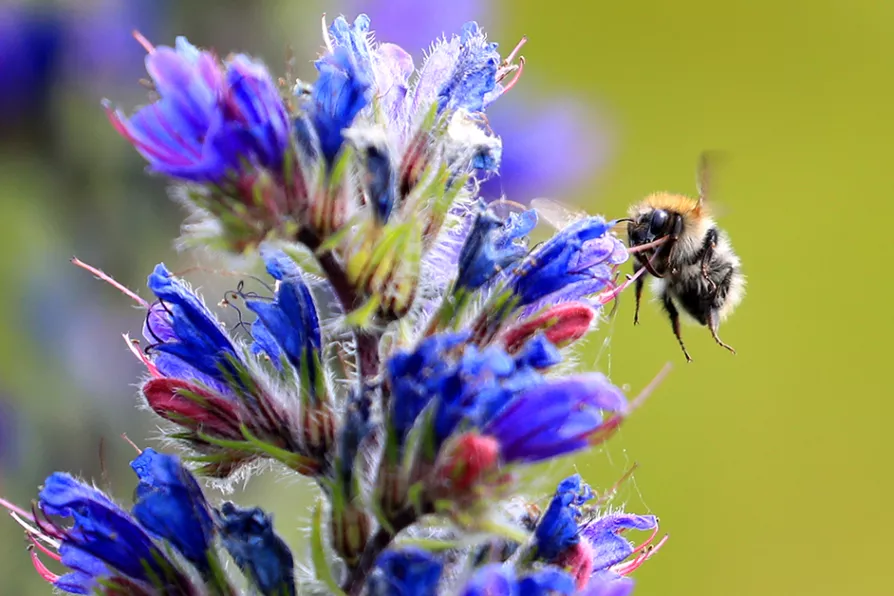 A Bumblebee searches for pollen amongst flowers in Kent

In the wake of Ann Widdecombe’s murder, JOHN GREEN wonders whether the government will really get to grips with the root cause of these attacks on our MPs
The new PM’s opening addresses offered hope, council homes and reform — but little detail on how any of it will be delivered, warns CLAUDIA WEBBE
Despite the screeching from the right-wing media, Burnham’s speech chimed with the public mood - and socialists should take advantage, says Morning Star editor BEN CHACKO
Scotland's Labour leader cannot continue to evade responsibility for the party's decline, argues LAUREN HARPER
Nature as well as society works dialectically, asserts the Marx Memorial Library and Workers’ School


IN spring, buff-tailed bumblebee queens (Bombus terrestris) emerge from their winter nests looking for ideal locations to start colonies.
Each colony is founded with an initial batch of eggs that were fertilised the previous year. Two weeks later these eggs become the first batch of worker bees, who will forage for food and tend to the eggs that the queen continues to lay.
The initial stages of the colony, when the number of worker bees is low, can be a very precarious time. The success of the colony depends on how well the queen has chosen their location.

Similar stories
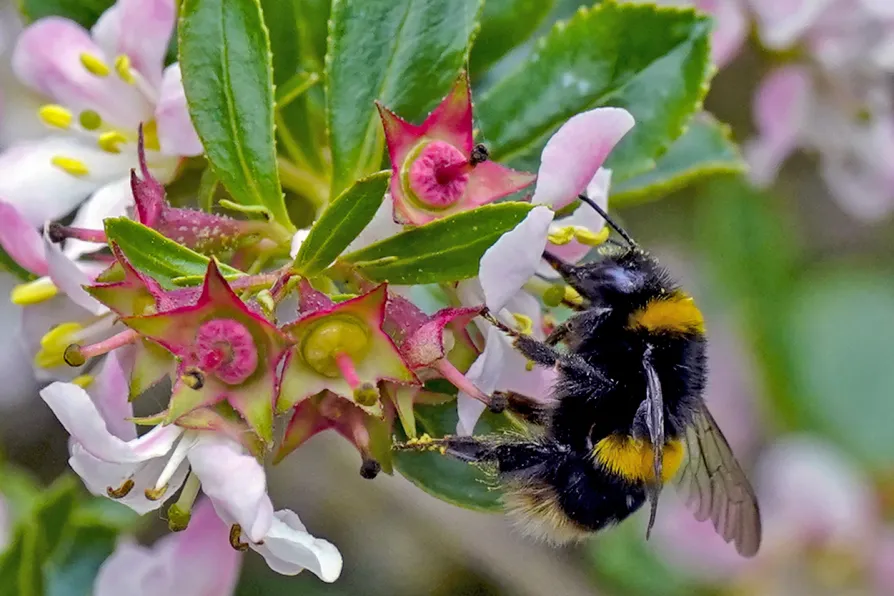
Rising temperatures and human activity are making life far harder for these vital pollinators. ALEX DITTRICH explains

The recent heatwaves revealed how ill-prepared Britain remains for a hotter future – and how unequal the ability to cope with it has become, write ROX MIDDLETON, LIAM SHAW and MIRIAM GAUNTLETT
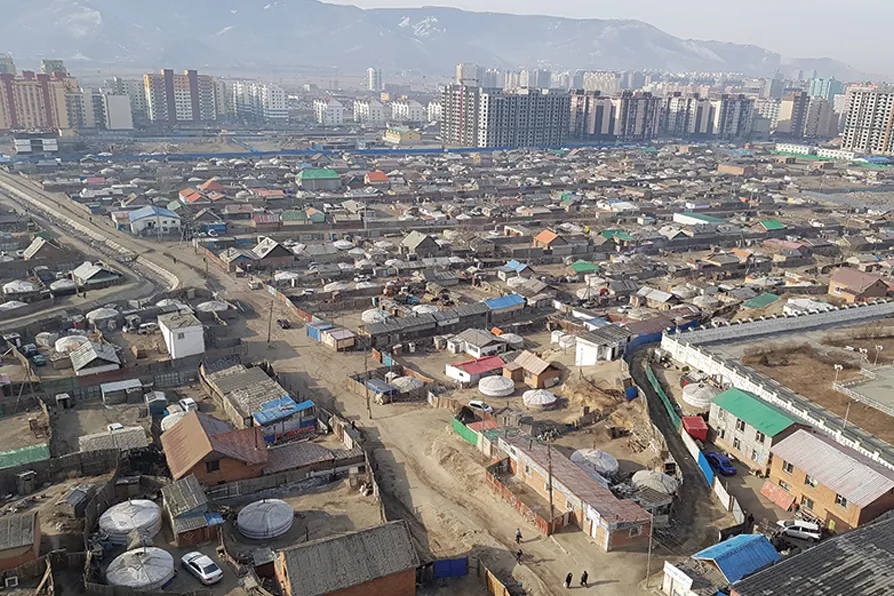
Coal-fired stoves in traditional homes are the primary source of extreme levels of air pollution in over-crowded Ulaanbaatar. As more people become climate-displaced, the situation is likely to worsen, write SCIENCE AND SOCIETY
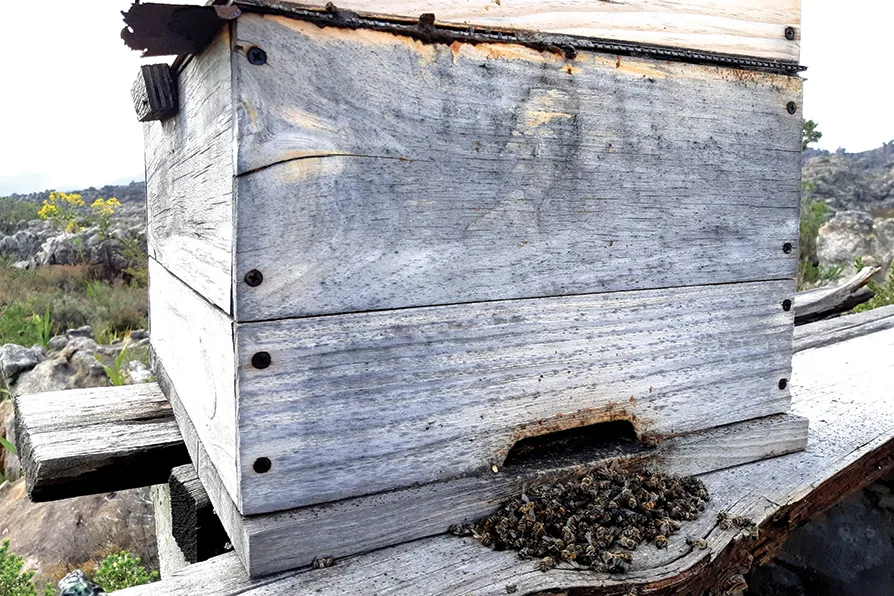
The West’s dangerous pesticide dumping in Africa is threatening biodiversity, population health and food sovereignty, argues ROGER McKENZIE