The new Prime Minister must abandon decades of automatic support for US foreign policy, which makes us all less safe, argues DIANE ABBOTT MP


 Latest editorial

Outing the second oldest profession
JOHN GREEN names some names in the ongoing history of the ruling elite’s surveillance of the left

Media Lens at 25: David Cromwell and David Edwards reflect on a quarter-century of media criticism, explaining why independent journalism is more important than ever
by Weyman Bennett and Maz’s family
The International Court of Justice has delivered its clearest ruling yet that the right to strike is protected under international law, write Professor TONIA NOVITZ, Professor KEITH EWING and Lord JOHN HENDY KC
Emergency phone alerts could help Britain respond to rising wildfire risk, but Australia’s experience suggests they work best as part of a broader strategy, write ELLIOT CONVERY-FISHER and KATE PARKINS
A champion motorcyclist, trade union organiser and communist, Clem Beckett went from Britain’s speedway tracks to the battlefields of Spain, where he gave his life resisting Franco’s forces at Jarama. GEOFF BOTTOMS pays tribute to this remarkable anti-fascist




SINCE power and hierarchical structures first developed in society, the small ruling elite has always feared the wrath of the underlings who they see as threatening their wealth and privilege.
That’s why they’ve always used spies, infiltrators and agents provocateurs to ascertain what the masses are thinking and if they are conspiring so that any incipient threat or revolt could be nipped in the bud. It hardly surprising, then, that the ruling class still makes full use of such methods but today with a whole array of the most modern technology to monitor all our electronic communications in a way that even George Orwell was unable to envisage.
In today’s relatively open and democratic society such methodology is more subject to scrutiny and exposure but it was not always so. Under the notorious Official Secrets Act — introduced in 1889 but modified continually since — much of this work was, and still is, covert and could not be talked about.

Similar stories

JOHN GREEN argues that the spreading practice of closing bank account without proof of criminality is an infringement of an elementary human right
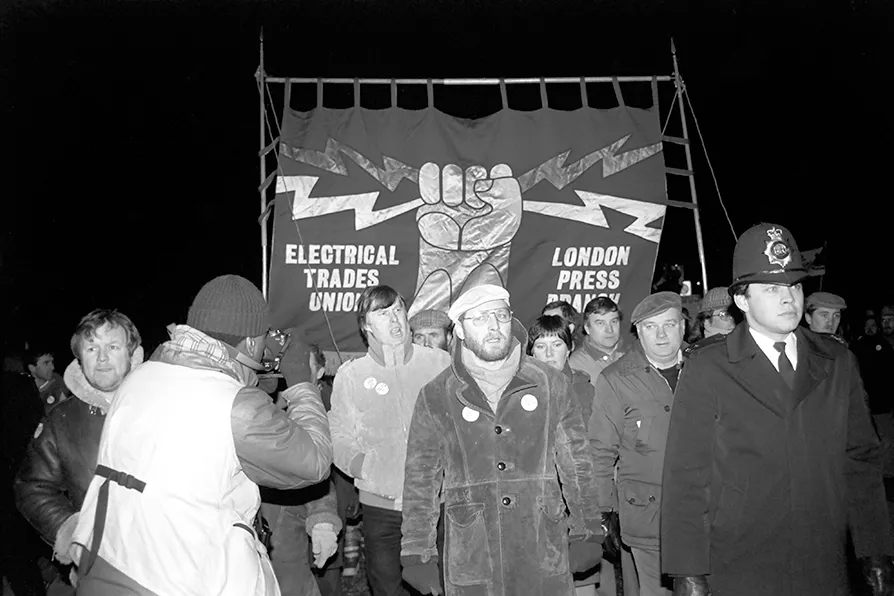
A past confrontation permanently shaped the methods the state will use to protect employers against any claims by their employees, writes MATT WRACK, but unions are readying to face the challenge
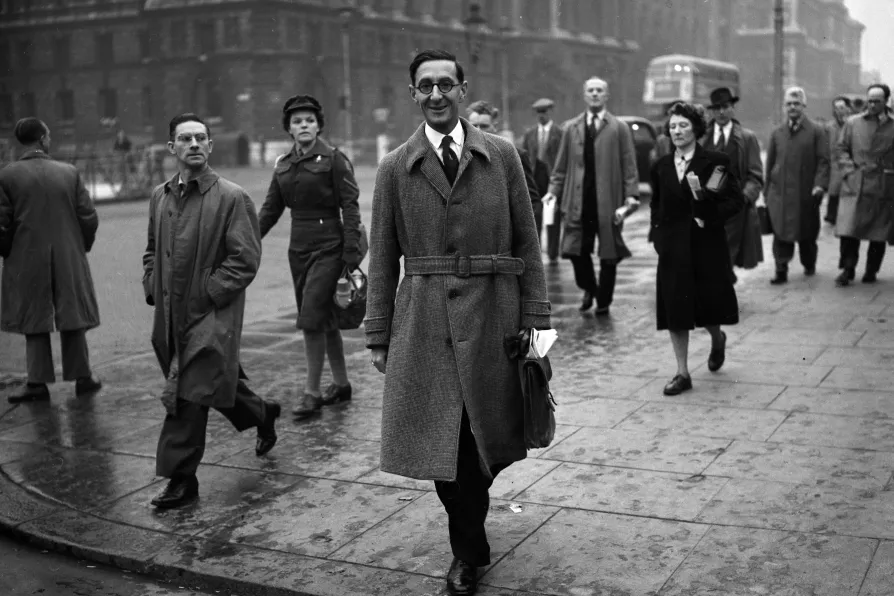
MAT COWARD tells the story of the eccentric founder of a short-lived but striking experiment in ‘vital democracy,’ who became best known for giving away his estate to the nation

JOHN GREEN has doubts about the efficacy of the Freedom of Information Act, once trumpeted by Tony Blair