While international actors discuss governance and reconstruction, Netanyahu has made it clear that Israel has no intention of ending its military occupation, says RAMZY BAROUD


 Latest editorial
A Bill that falls short of the bold action we need
The Employment Rights Bill is a vital opportunity to rebalance power between workers and employers. As it passes to the Lords, pressure must be brought to bear to strengthen this key legislation, argues ANDY McDONALD MP
 WE WILL BE HEARD: Convenor for GMB Scotland Chris Mitchell speaks as members of the Unison, GMB, Unite and the EIS trade unions stage a lunchtime protest outside City Chambers, George Square, Glasgow demand a one year no-cuts budget, February 19 2025

NICK WRIGHT continues his series analysing the trends in European politics
We have the alternative economics, histories of our struggles and the confidence to change the world
General Federation of Trade Unions assistant general secretary HENRY FOWLER reports on the final day from the GFTU’s residential Summer School at the Workers’ Retreat, Quorn Grange Hotel
Capitalism has exploited — and polluted — our natural resources for too long, it’s time we treated our rivers as living beings, writes MIRIUM GAUNTLETT, LIAM SHAW and ROX MIDDLETON
Treating the Clacton by-election as a joke risks reinforcing the Reform leader’s claim to be the victim of an out-of-touch Establishment, argues JOHN McINALLY
MPs and others called for the urgent release of tortured Palestinian doctor, Hussam Abu Safiya, held hostage by Israel and reportedly near death, reports LINDA PENTZ GUNTER



FOR decades, workers in Britain have faced a steady erosion of their rights, job security and real wages.
The objective of the Employment Rights Bill, rightly heralded as the most significant expansion of workers’ rights in a generation, is to reverse this trend and improve working conditions.
However, its passage through Parliament highlighted just how significant the gaps in employment law and trade union legislation have developed over the decades and have so limited the effectiveness of unions in their task of fully defending their members.

Similar stories
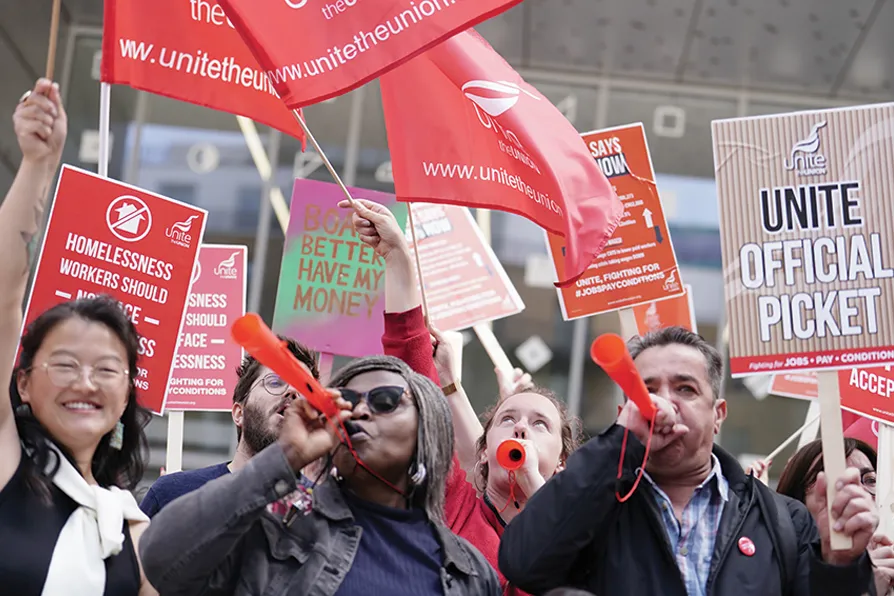
The unions are unhappy with the Employment Rights Act 2025 and with good reason. KEITH EWING and Lord JOHN HENDY KC take a close look at why the Bill promised more than it delivered
Labour’s long-promised Act has scraped through the Lords. While the law marks a step forward, its lack of collective rights leaves workers short-changed — and sets the stage for a renewed campaign for an Employment Rights Bill #2, argues TONY BURKE
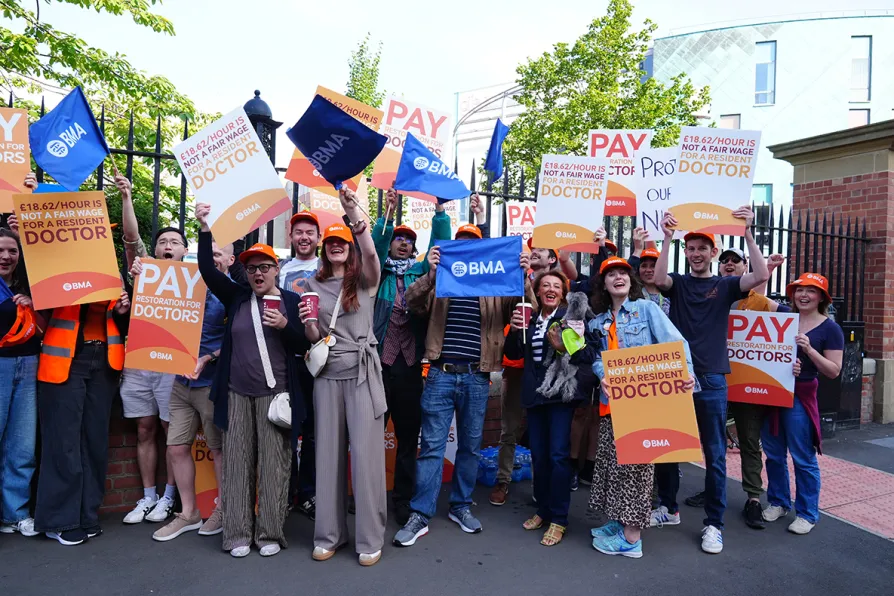
Labour’s watered-down legislation won’t protect us from unfair dismissal or ban some zero-hours contracts until 2027 — leaving millions of young people vulnerable to the populist right’s appeal, warns TUC young workers chair FRASER MCGUIRE

Labour must not allow unelected members of the upper house to erode a single provision of the Employment Rights Bill, argues ANDY MCDONALD MP