The Tories introduced the 50% strike ballot threshold to make industrial action harder. MATT WRACK argues that a Labour government has no justification for leaving it on the statute book


 Latest editorial
Building on decades of popular resistance
RAMZY BAROUD presents a guide on the boycott, divestment and sanctions movement

In the wake of Ann Widdecombe’s murder, JOHN GREEN wonders whether the government will really get to grips with the root cause of these attacks on our MPs
The new PM’s opening addresses offered hope, council homes and reform — but little detail on how any of it will be delivered, warns CLAUDIA WEBBE
Despite the screeching from the right-wing media, Burnham’s speech chimed with the public mood - and socialists should take advantage, says Morning Star editor BEN CHACKO
Scotland's Labour leader cannot continue to evade responsibility for the party's decline, argues LAUREN HARPER
Nature as well as society works dialectically, asserts the Marx Memorial Library and Workers’ School



The boycott, divestment and sanctions (BDS) movement was the outcome of several events that shaped the Palestinian national struggle and international solidarity with the Palestinian people following the second intifada in 2000.
Building on a decades-long tradition of civil disobedience and popular resistance, and invigorated by growing international solidarity with the Palestinian struggle as exhibited at the World Conference against Racism in Durban, South Africa, in 2001, Palestinians moved into action.
In 2004, the Palestinian Campaign for the Academic and Cultural Boycott of Israel (PACBI) called for the boycott of Israeli government and academic institutions for their direct contributions to the military occupation and subjugation of the Palestinian people. This was followed in 2005 by a sweeping call for boycott made by 170 Palestinian civil society organisations.

Similar stories
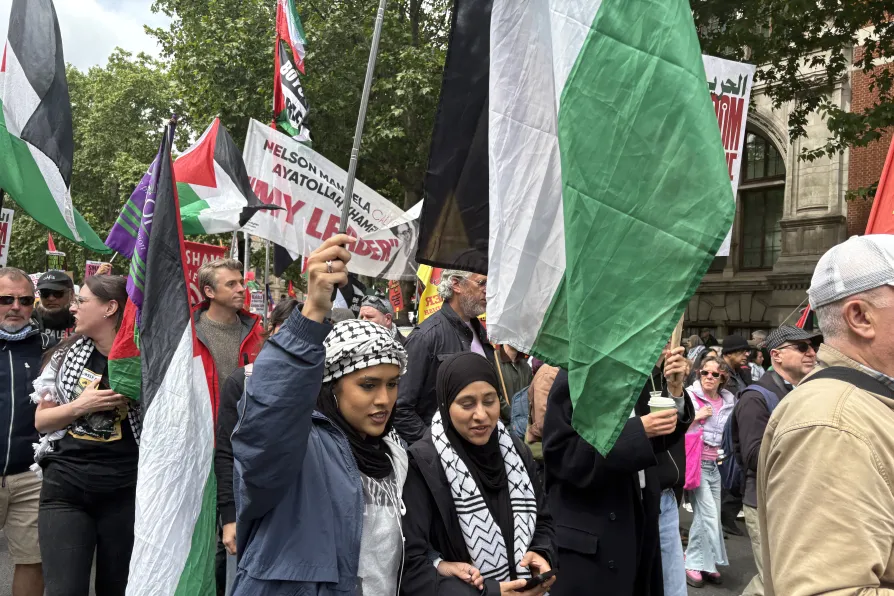
History suggests apartheid ends not through appeals to conscience alone but through sustained economic and political pressure, says HUGH LANNING
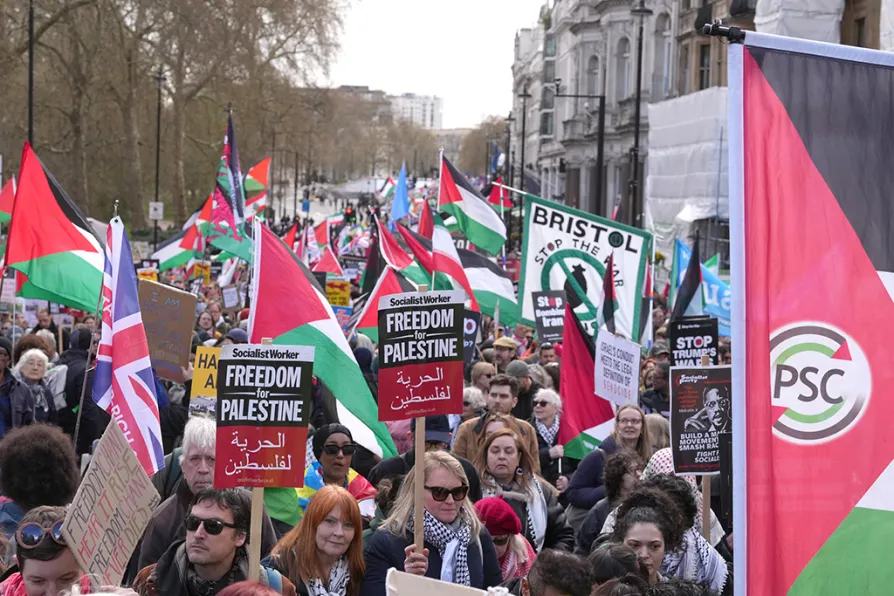
The struggle for Palestinian freedom has become a defining issue for everyone committed to justice, democracy and peace, says PETER LEARY ahead of the Stop the War International Conference on Saturday
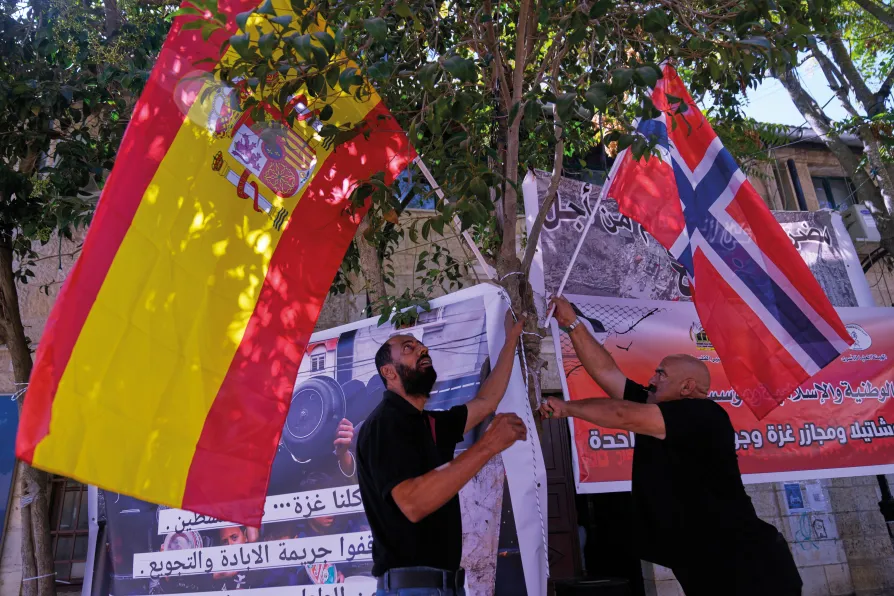
Spain has joined South Africa’s ICJ genocide case against Israel while imposing weapons bans and port restrictions, moves partly driven by trade unions — proving just how effectively civil society can reshape government policy, writes RAMZY BAROUD
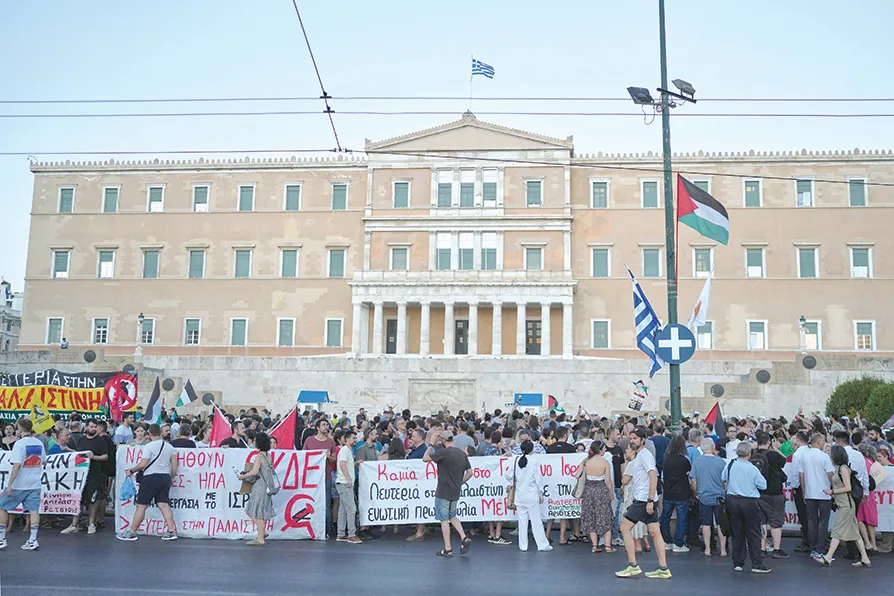
HUGH LANNING reports on an initiative that will aim at counteracting the anti-Palestine narratives spoon-fed to Western governments and the mass media by Israel’s propaganda machine