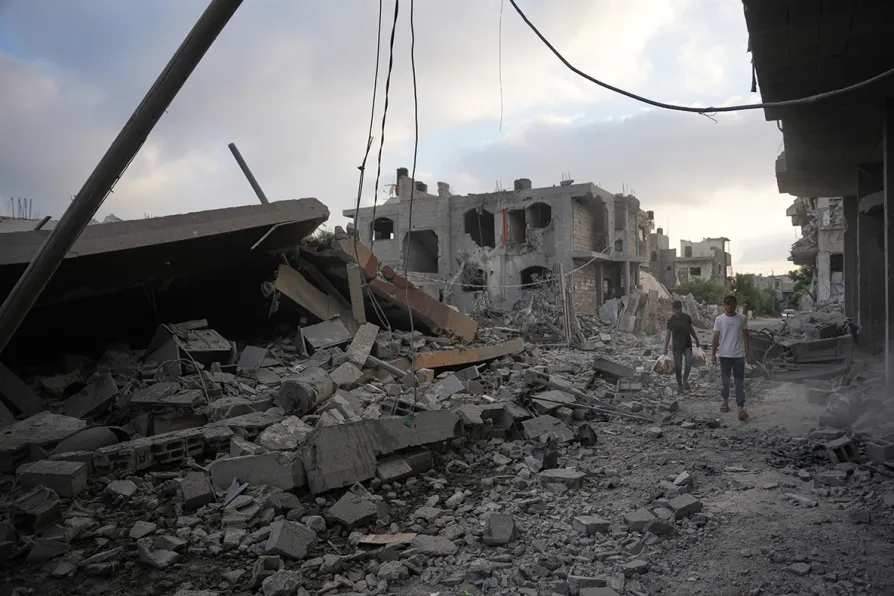
While international actors discuss governance and reconstruction, Netanyahu has made it clear that Israel has no intention of ending its military occupation, says RAMZY BAROUD


 Latest editorial
Brazil – time to take a stand
The left and the labour movement internationally must stand shoulder to shoulder with our comrades in Brazil, writes CHRIS WILLIAMSON MP
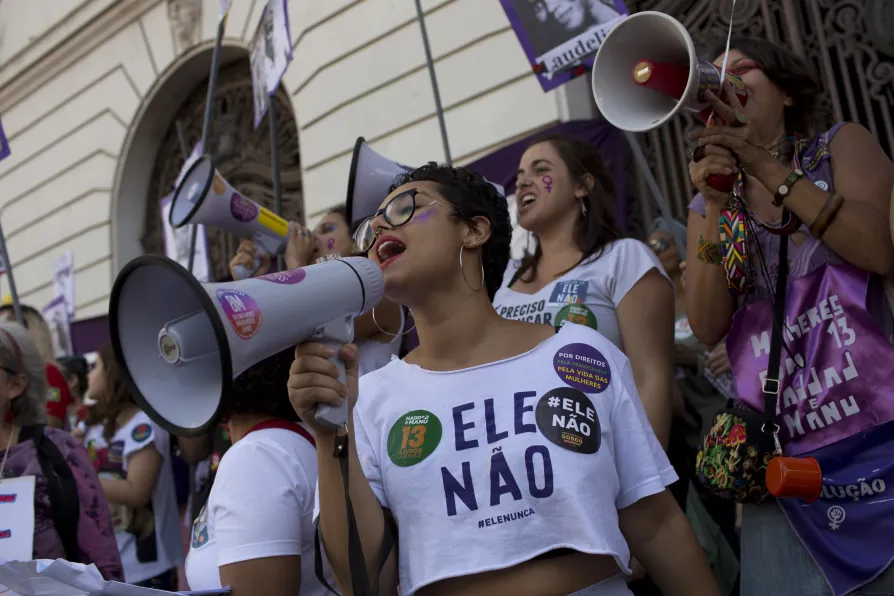 Women attend a demonstration supporting Workers' Party presidential candidate Fernando Haddad and against presidential candidate Jair Bolsonaro of the right-wing Social Liberal Party
NICK WRIGHT continues his series analysing the trends in European politics
We have the alternative economics, histories of our struggles and the confidence to change the world
General Federation of Trade Unions assistant general secretary HENRY FOWLER reports on the final day from the GFTU’s residential Summer School at the Workers’ Retreat, Quorn Grange Hotel
Capitalism has exploited — and polluted — our natural resources for too long, it’s time we treated our rivers as living beings, writes MIRIUM GAUNTLETT, LIAM SHAW and ROX MIDDLETON
Treating the Clacton by-election as a joke risks reinforcing the Reform leader’s claim to be the victim of an out-of-touch Establishment, argues JOHN McINALLY
MPs and others called for the urgent release of tortured Palestinian doctor, Hussam Abu Safiya, held hostage by Israel and reportedly near death, reports LINDA PENTZ GUNTER




BRAZIL heads to the polls on October 28 for the second round of what has perhaps been the most volatile and unpredictable election campaign since the country’s military dictatorship ended in 1989.
The run-off is between the far-right Jair Bolsonaro and Fernando Haddad who is the left-wing Workers’ Party (PT) candidate. Bolsonaro had a commanding lead of more than 16 per cent over Haddad in the first round.
The context to this election is that in the last two years, Latin America’s most populous nation has undergone political upheaval.
It started with the coup that removed PT president Dilma Rousseff. Having failed to get rid of Rousseff (or her predecessor Lula da Silva) via the ballot box, the Brazilian conservative elite removed her through a “parliamentary coup” instead.

Similar stories
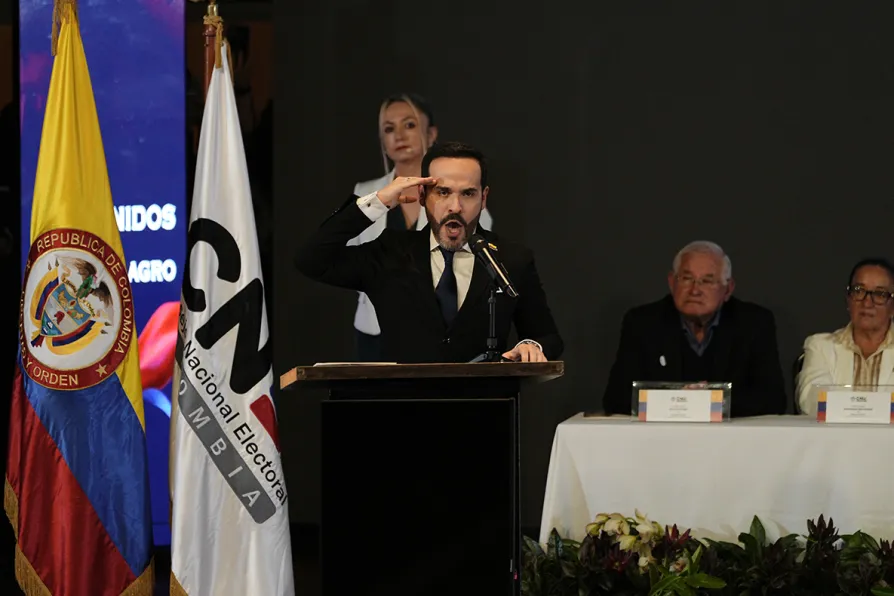
ENRIQUE SANTIAGO ROMERO says the Colombian far-right’s election victory is deeply suspect — and the United States has its fingerprints all over it
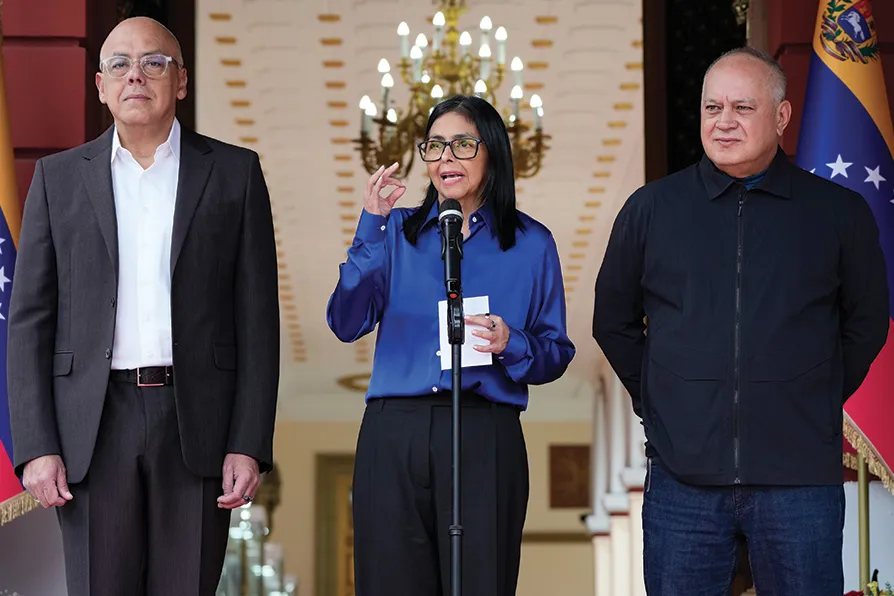
International solidarity can ensure that Trump and his machine cannot prevail without a level of political and economic cost that he will not want to pay, argues CLAUDIA WEBBE
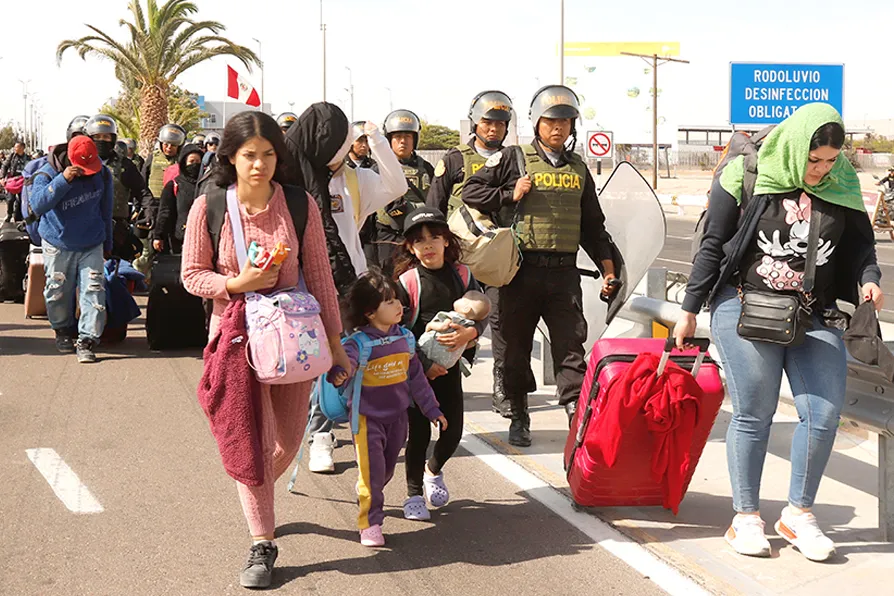
Far-right forces are rising across Latin America and the Caribbean, armed with a common agenda of anti-communism, the culture war, and neoliberal economics, writes VIJAY PRASHAD