The Tories introduced the 50% strike ballot threshold to make industrial action harder. MATT WRACK argues that a Labour government has no justification for leaving it on the statute book


 Latest editorial
The Starmer project and the SDP: back to the 1980s
What is the Labour leader up to? It is not clear from his recent vague pronouncements — could the real goal not be winning an election, but creating the 1981 split in reverse, with the left forced into a rival party, asks KEITH FLETT
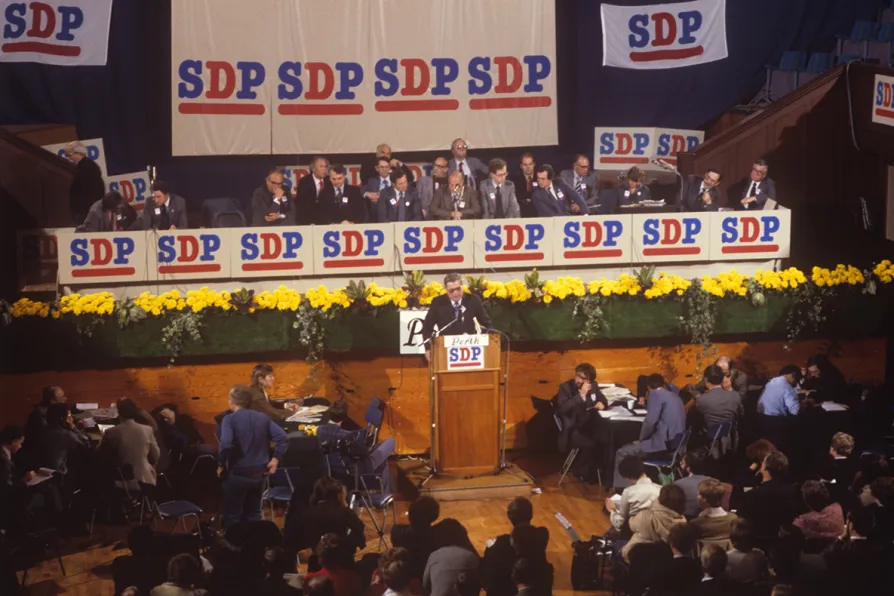 The first Social Democratic Party conference at the City Hall Perth in October 1981

In the wake of Ann Widdecombe’s murder, JOHN GREEN wonders whether the government will really get to grips with the root cause of these attacks on our MPs
The new PM’s opening addresses offered hope, council homes and reform — but little detail on how any of it will be delivered, warns CLAUDIA WEBBE
Despite the screeching from the right-wing media, Burnham’s speech chimed with the public mood - and socialists should take advantage, says Morning Star editor BEN CHACKO
Scotland's Labour leader cannot continue to evade responsibility for the party's decline, argues LAUREN HARPER
Nature as well as society works dialectically, asserts the Marx Memorial Library and Workers’ School


KEIR STARMER has been active recently in defining what his project is. Luciana Berger, who quit Labour for the centrist Change UK party and then joined the Lib Dems has re-joined Labour — and others may follow.
Meanwhile, Starmer has been promoting his political missions, laid out in a speech and a New Statesman article. Although both were worthy enough in a general way, even the austere figure of Ed Balls noted that voters would want some more practical details about what Labour was actually going to do.
Starmer may be more popular than the Tories — but that popularity is lukewarm. A crowd chanted his name in central London recently at a protest against transphobia. “Oh, Jeremy Corbyn” chants were a familiar feature of the previous leader’s tenure. Unfortunately for Sir Keir, the recent chant was not a positive one.

Similar stories

IAN SINCLAIR examines the curious memory lapses across liberal media when it comes to British government crimes

Keir Starmer's early political life suggests a very different future from the one he ultimately embraced, says KEITH FLETT

PAUL DONOVAN recommends a thorough explanation of why Starmer’s Labour travels light on policy, and bending to knee to neoliberalism

Who you ask and how you ask matter, as does why you are asking — the history of opinion polls shows they are as much about creating opinions as they are about recording them, writes socialist historian KEITH FLETT