The Tories introduced the 50% strike ballot threshold to make industrial action harder. MATT WRACK argues that a Labour government has no justification for leaving it on the statute book


 Latest editorial
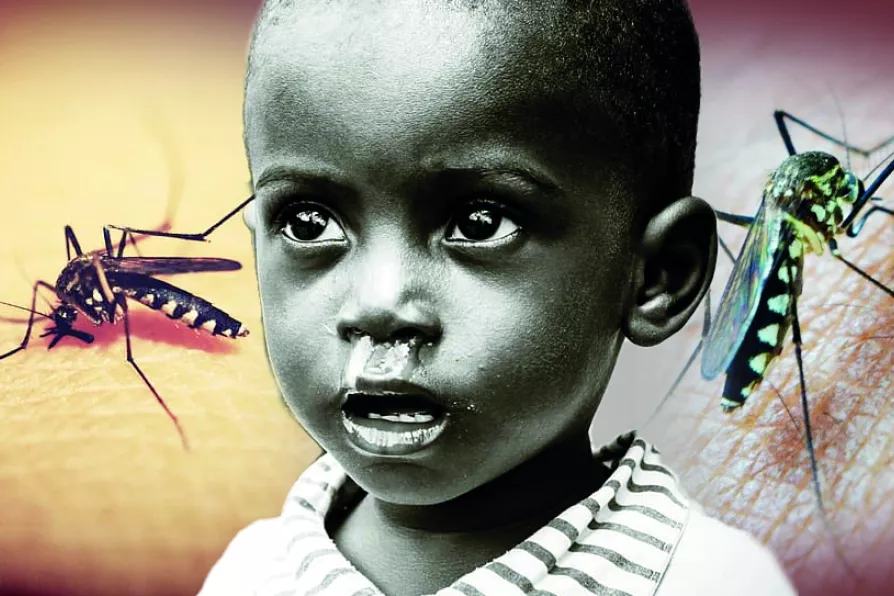
The most important vaccine of 2021 might be for malaria
Promising results from a new trial indicate we could finally be equipped with one of the tools needed to rid us of a disease that has plagued people since the dawn of humanity, write ROX MIDDLETON, LIAM SHAW and JOEL HELLEWELL

In the wake of Ann Widdecombe’s murder, JOHN GREEN wonders whether the government will really get to grips with the root cause of these attacks on our MPs
The new PM’s opening addresses offered hope, council homes and reform — but little detail on how any of it will be delivered, warns CLAUDIA WEBBE
Despite the screeching from the right-wing media, Burnham’s speech chimed with the public mood - and socialists should take advantage, says Morning Star editor BEN CHACKO
Scotland's Labour leader cannot continue to evade responsibility for the party's decline, argues LAUREN HARPER
Nature as well as society works dialectically, asserts the Marx Memorial Library and Workers’ School


DISEASES come in many guises. Before late 2019, there had never been a single case of Covid-19 and SARS-CoV-2 was an unknown virus. Now, less than a year and a half later, there have been millions of cases. In contrast, a disease like malaria has been with humans ever since we emerged as a species.
An early species of Plasmodium, the parasite which causes malaria, was found in mosquitoes that had been preserved in amber for nearly 30 million years. Yet this is no guide to a disease’s impact. During 2020, more people on the continent of Africa died of malaria than Covid-19.
While it took less than a year to develop a vaccine for Covid-19, a vaccine for malaria has proven near-impossible. However, that may be about to change.

Similar stories
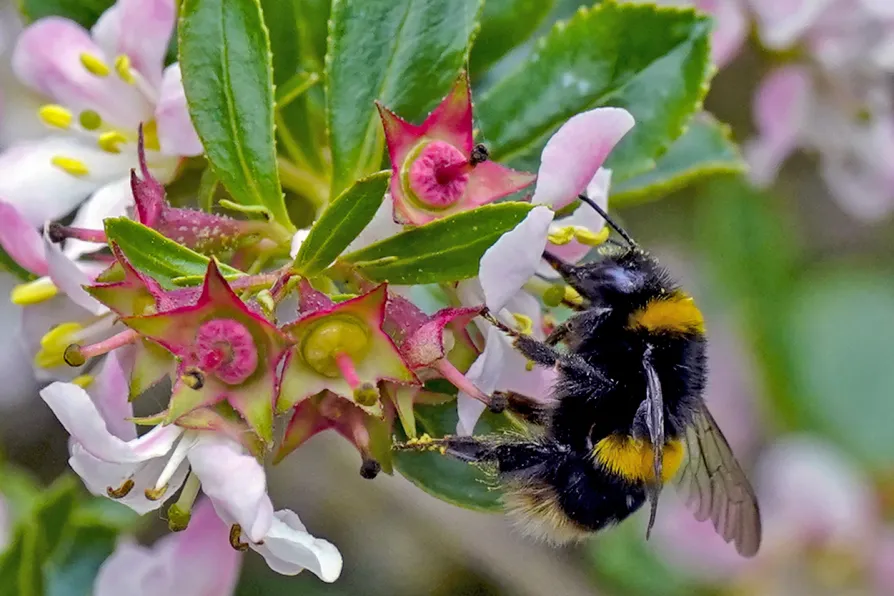
Rising temperatures and human activity are making life far harder for these vital pollinators. ALEX DITTRICH explains
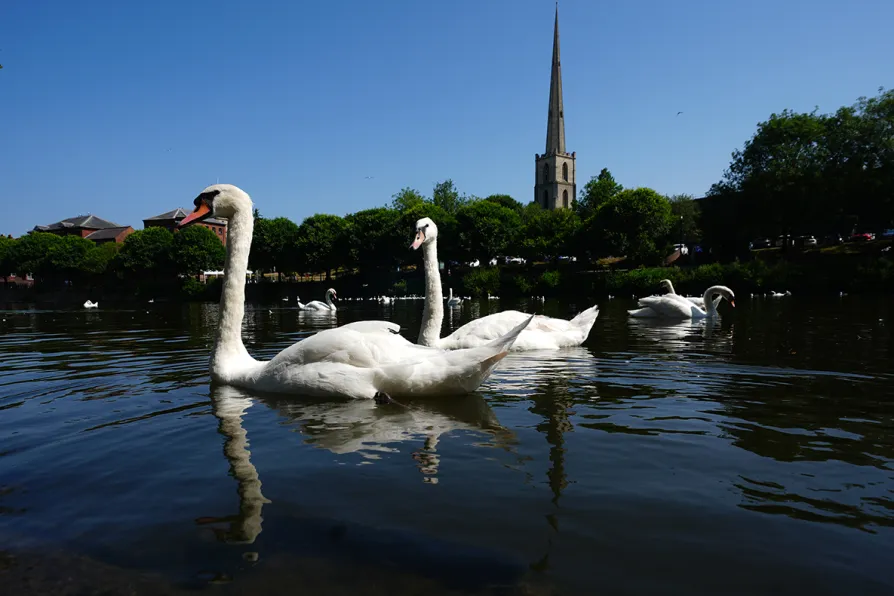
Capitalism has exploited — and polluted — our natural resources for too long, it’s time we treated our rivers as living beings, writes MIRIUM GAUNTLETT, LIAM SHAW and ROX MIDDLETON

Coal-fired stoves in traditional homes are the primary source of extreme levels of air pollution in over-crowded Ulaanbaatar. As more people become climate-displaced, the situation is likely to worsen, write SCIENCE AND SOCIETY
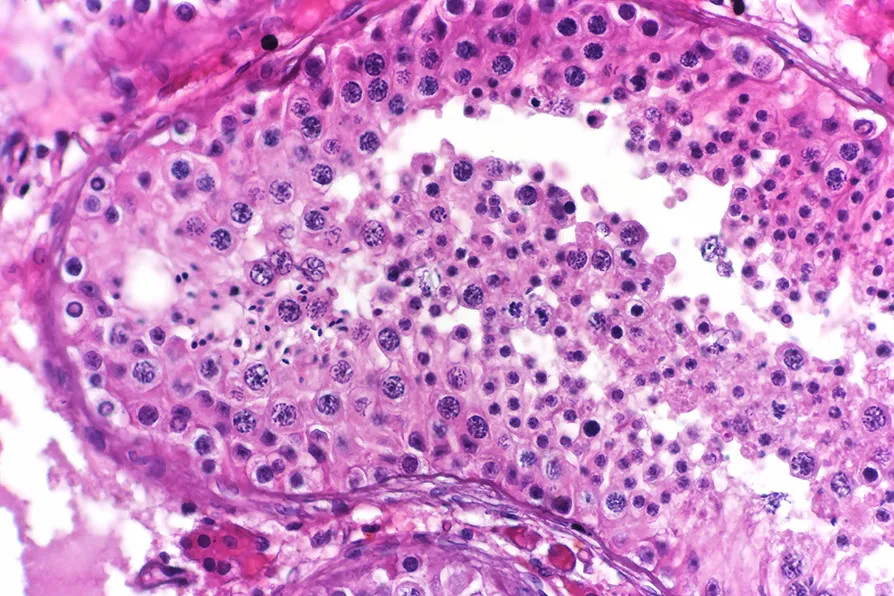
New research into mutations in sperm helps us better understand why they occur, while debunking a few myths in the process, write ROX MIDDLETON, LIAM SHAW and MIRIAM GAUNTLETT