While international actors discuss governance and reconstruction, Netanyahu has made it clear that Israel has no intention of ending its military occupation, says RAMZY BAROUD


 Latest editorial
Greening the South Pole
Vegetation is growing at an alarming rate on Antarctica’s northernmost region, write ROX MIDDLETON, LIAM SHAW and MIRIAM GAUNTLETT
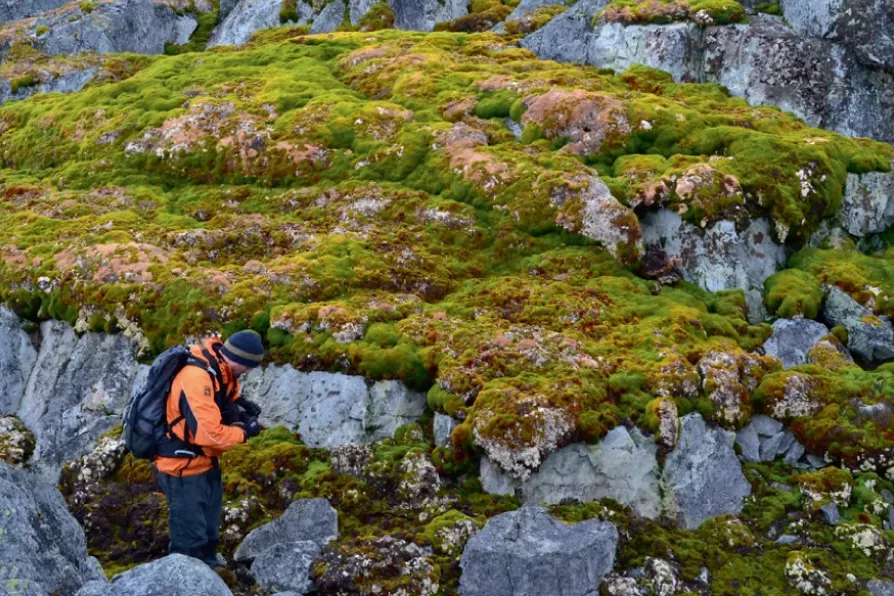 Studying a moss bank on bare rock, Norsel Point, in the Antarctic Peninsula
[Nature Geoscience (Nat Geosci)/Creative Commons]
Studying a moss bank on bare rock, Norsel Point, in the Antarctic Peninsula
[Nature Geoscience (Nat Geosci)/Creative Commons]
NICK WRIGHT continues his series analysing the trends in European politics
We have the alternative economics, histories of our struggles and the confidence to change the world
General Federation of Trade Unions assistant general secretary HENRY FOWLER reports on the final day from the GFTU’s residential Summer School at the Workers’ Retreat, Quorn Grange Hotel
Capitalism has exploited — and polluted — our natural resources for too long, it’s time we treated our rivers as living beings, writes MIRIUM GAUNTLETT, LIAM SHAW and ROX MIDDLETON
Treating the Clacton by-election as a joke risks reinforcing the Reform leader’s claim to be the victim of an out-of-touch Establishment, argues JOHN McINALLY
MPs and others called for the urgent release of tortured Palestinian doctor, Hussam Abu Safiya, held hostage by Israel and reportedly near death, reports LINDA PENTZ GUNTER




TODAY, we know Antarctica as a snow-dominated landscape, a continent covered with a permanent glacial ice-sheet. However, 41 million years ago, Antarctica looked very different: it was carpeted with lush forests that rang with birdsong with distant snow-capped mountains. That began to change 31 million years ago, as global temperatures dropped.
The transition is described by the palaeobiologist Thomas Halliday in his book Otherlands (2022). Soon (in geological terms, that is) the ice descended from Antarctica’s mountaintops, “spreading across the entire continent and forcing out almost all plants and animals.” Of Antarctica’s range of animals, only the emperor penguins were able to adapt at the right pace and retain their habitat on what became Earth’s most forbidding continent.
Antarctica’s northernmost point is the Antarctic Peninsula. Unlike the rest of Antarctica it is not completely icebound: only 80 per cent is currently covered by ice. But the remaining 20 per cent is usually rocky. Now, new research published this week in Nature Geoscience confirms that climate change is affecting Antarctica’s plant life.

Similar stories
Rising temperatures and human activity are making life far harder for these vital pollinators. ALEX DITTRICH explains
JAN WOOLF relishes an extensive history of our long relationship to trees in Britain that underlines the current emergency
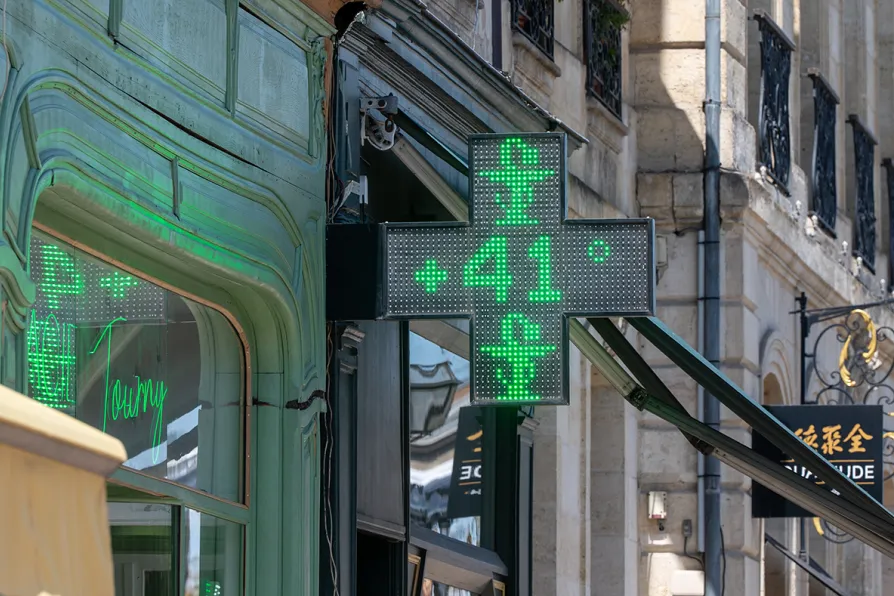
Extreme heat is now one of the defining public health challenges of a warming world, explains Prof IAN WILLIAMS
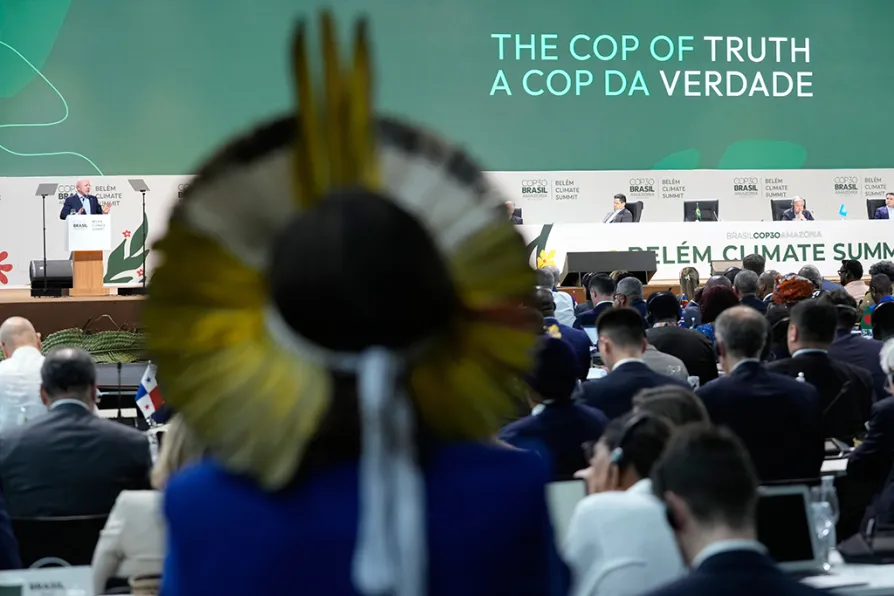
From summit to summit, imperialist companies and governments cut, delay or water down their commitments, warn the Communist Parties of Britain, France, Portugal and Spain and the Workers Party of Belgium in a joint statement on Cop30