In the wake of Ann Widdecombe’s murder, JOHN GREEN wonders whether the government will really get to grips with the root cause of these attacks on our MPs


 Latest editorial
The spat with China shows the US no longer always gets its way
Trump’s readiness to use trade threats is not some new departure for US imperialism, as the decades-long blockade of Cuba shows, but in the past these threats were always directed at vastly weaker countries, with little or no leverage to hit back, writes KENNY COYLE
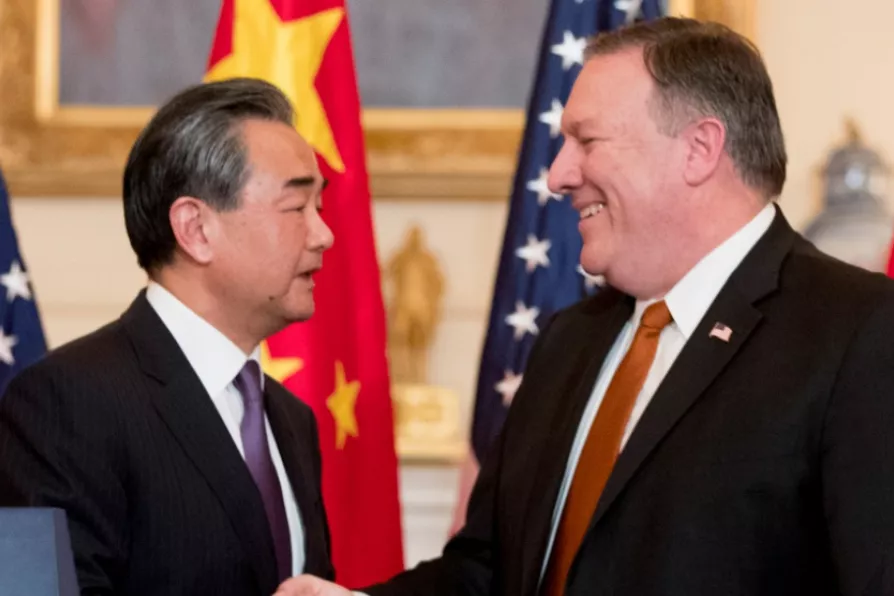 Chinese State Councilor and Foreign Minister Wang Yi, left, and Secretary of State Mike Pompeo, right, arrive
at a news conference at the State Department in Washington on Wednesday
Chinese State Councilor and Foreign Minister Wang Yi, left, and Secretary of State Mike Pompeo, right, arrive
at a news conference at the State Department in Washington on Wednesday

Despite the screeching from the right-wing media, Burnham’s speech chimed with the public mood - and socialists should take advantage, says Morning Star editor BEN CHACKO
Nature as well as society works dialectically, asserts the Marx Memorial Library and Workers’ School
Rising temperatures and human activity are making life far harder for these vital pollinators. ALEX DITTRICH explains
Lesbians and Gays Support the Miners co-founder MIKE JACKSON talks to Matt Kerr about the enduring power of Pride, protest and trade unionism
Behind the language of military strategy is a confrontation that risks drawing the wider Middle East into war, says STEVE BISHOP


TRYING to make sense of US President Donald Trump’s foreign policy often seems more an area of expertise for child psychologists than political analysts.
If Trump seems permanently befuddled, this lack of direction is also a reflection of the serious policy divisions within not only the Republican Party but the broader US elite.
There are radically diverging differences emerging about how to handle a world that the US can no longer shape and channel as effectively as it once did.

Similar stories

Friedrich Merz’s call for a new Plaza Accord ignores how Washington’s 1985 currency ambush destroyed Japan without fixing US deficits — China, a sovereign socialist state with 1.4 billion consumers, cannot be bullied the same way, writes CARLOS MARTINEZ
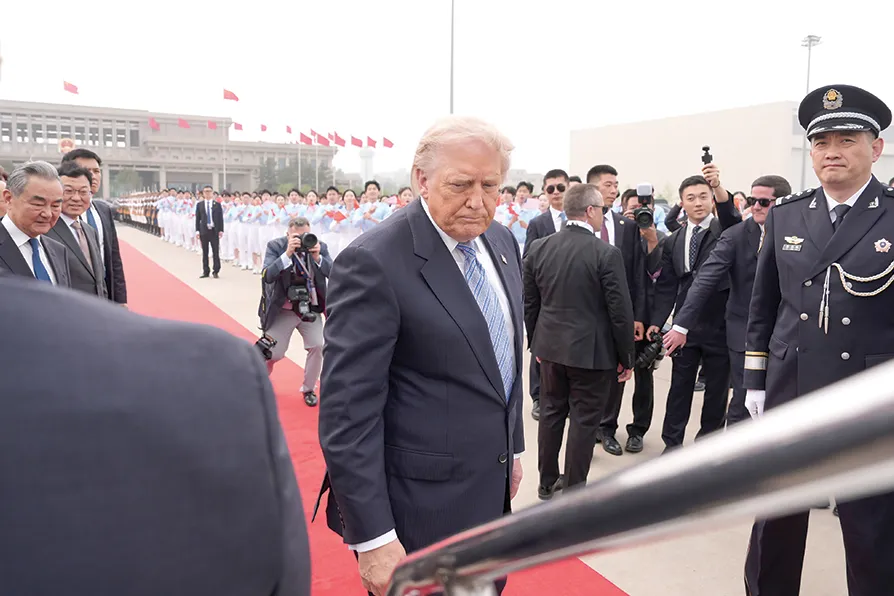
JENNY CLEGG looks at the key points that defined the China-US relationship, for now
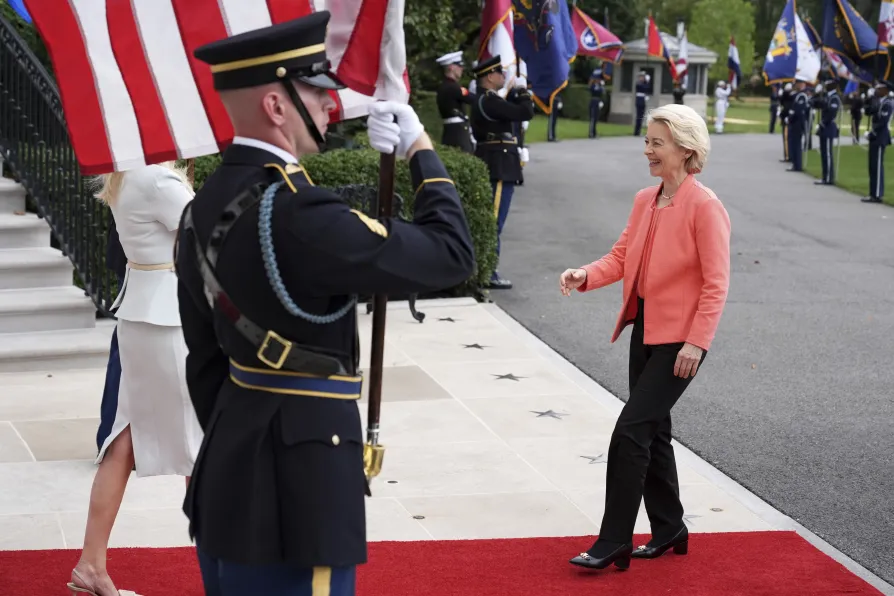
US tariffs have had Von der Leyen bowing in submission, while comments from the former European Central Bank leader call for more European political integration and less individual state sovereignty. All this adds up to more pain and austerity ahead, argues NICK WRIGHT
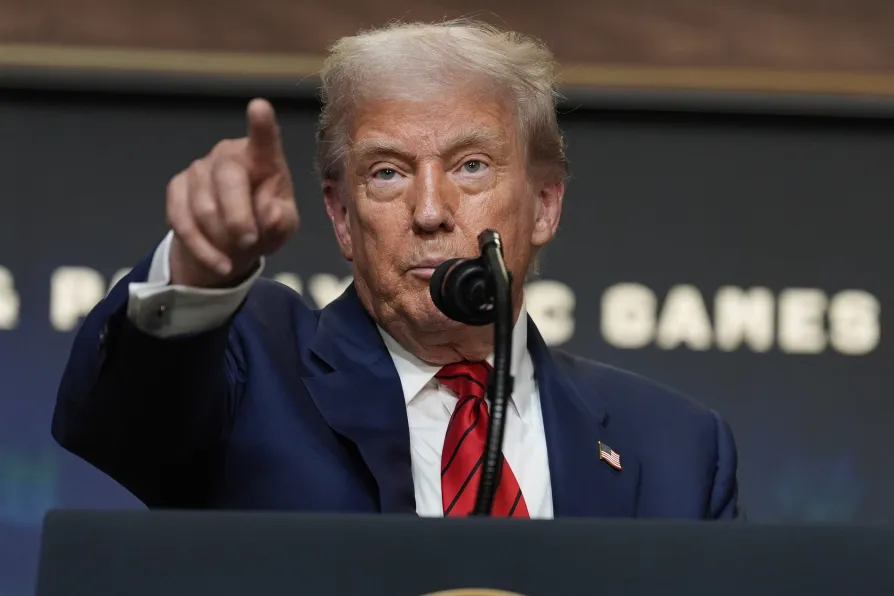
FRANCISCO DOMINGUEZ says the US’s bullying conduct in what it considers its backyard is a bid to reassert imperial primacy over a rising China — but it faces huge resistance