While international actors discuss governance and reconstruction, Netanyahu has made it clear that Israel has no intention of ending its military occupation, says RAMZY BAROUD


 Latest editorial
Sugar rush: the sweet science of human genetic adaptation
ROX MIDDLETON, LIAM SHAW and MIRIAM GAUNTLETT examine how new genetic research reveals the rapid pace of human evolution in response to agricultural development, offering insights Marx would have found fascinating
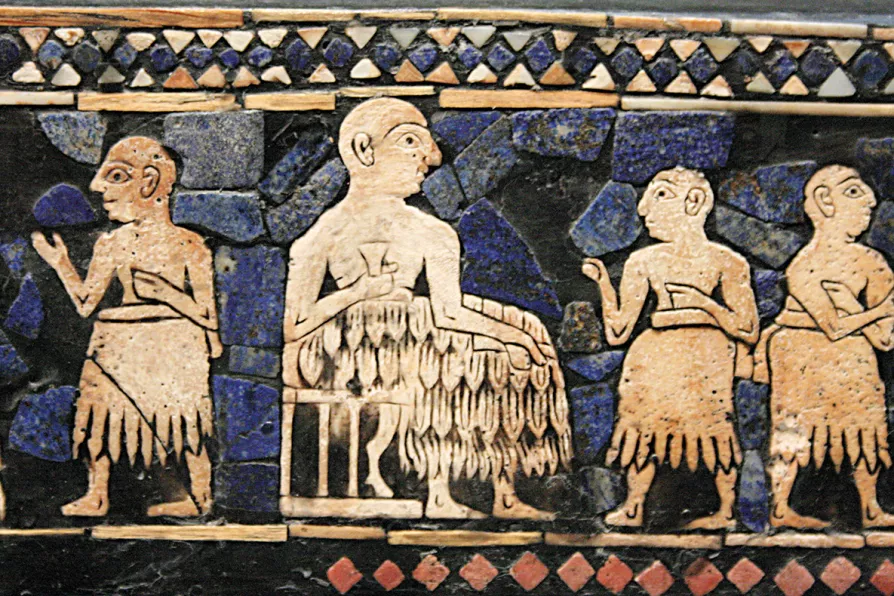 A 2600BC depiction of a king in Sumer, an early human civilisation in the fertile crescent where humans had adapted to eat starchy foods through farming
[Michel Wal/Creative Commons]
A 2600BC depiction of a king in Sumer, an early human civilisation in the fertile crescent where humans had adapted to eat starchy foods through farming
[Michel Wal/Creative Commons]
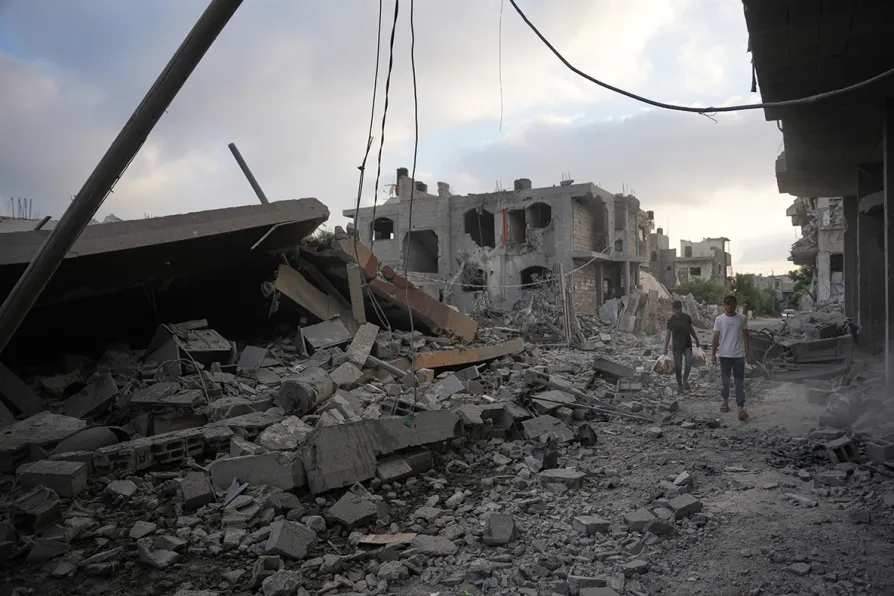
NICK WRIGHT continues his series analysing the trends in European politics
We have the alternative economics, histories of our struggles and the confidence to change the world
General Federation of Trade Unions assistant general secretary HENRY FOWLER reports on the final day from the GFTU’s residential Summer School at the Workers’ Retreat, Quorn Grange Hotel
Capitalism has exploited — and polluted — our natural resources for too long, it’s time we treated our rivers as living beings, writes MIRIUM GAUNTLETT, LIAM SHAW and ROX MIDDLETON
Treating the Clacton by-election as a joke risks reinforcing the Reform leader’s claim to be the victim of an out-of-touch Establishment, argues JOHN McINALLY
MPs and others called for the urgent release of tortured Palestinian doctor, Hussam Abu Safiya, held hostage by Israel and reportedly near death, reports LINDA PENTZ GUNTER


THE taste of food is something that seems fundamental. In Marx’s view, expressed in A Contribution to the Critique of Political Economy (1859), a physical property like taste provides a measure of the use-value of a commodity as distinct from its exchange-value: “From the taste of wheat, it is not possible to tell who produced it, a Russian serf, a French peasant or an English capitalist.”
Today, humanity consumes nearly 800 million metric tons of wheat a year. Other foods such as potatoes, rice, and different cereal crops are essential to diets around the world.
All of these contain large amounts of carbohydrates in the form of starch molecules. These molecules were made by the plants as an energy store. When plants photosynthesise, they use sunlight to convert water and carbon dioxide into glucose molecules.

Similar stories

Nature as well as society works dialectically, asserts the Marx Memorial Library and Workers’ School
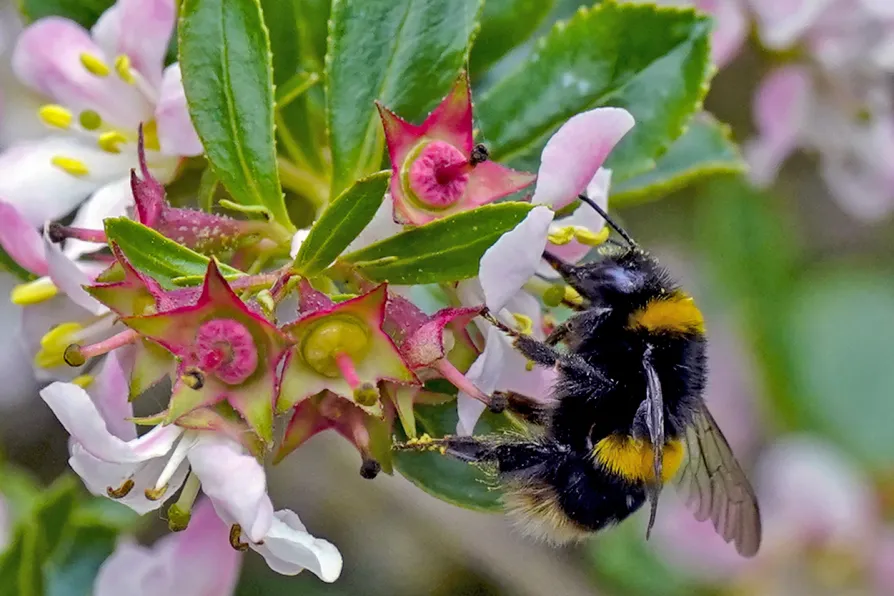
Rising temperatures and human activity are making life far harder for these vital pollinators. ALEX DITTRICH explains
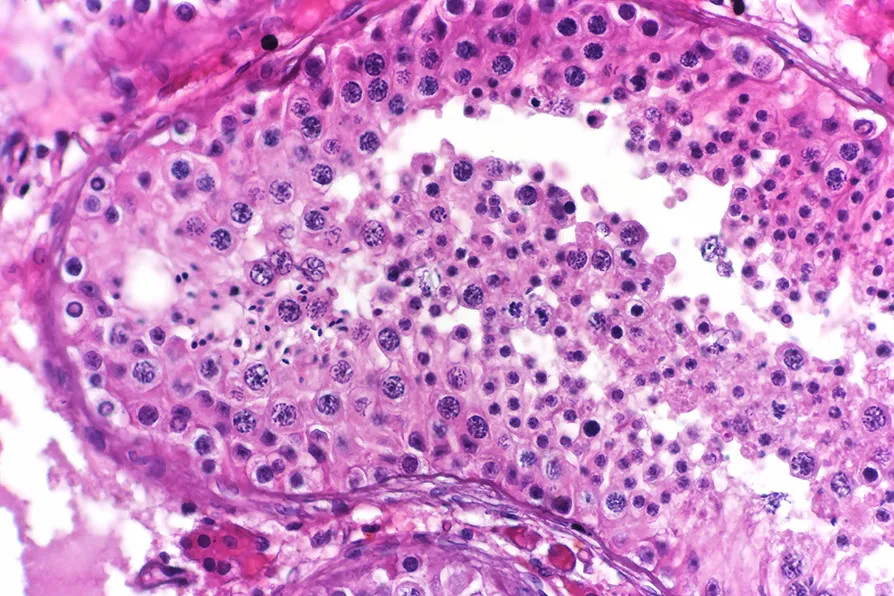
New research into mutations in sperm helps us better understand why they occur, while debunking a few myths in the process, write ROX MIDDLETON, LIAM SHAW and MIRIAM GAUNTLETT
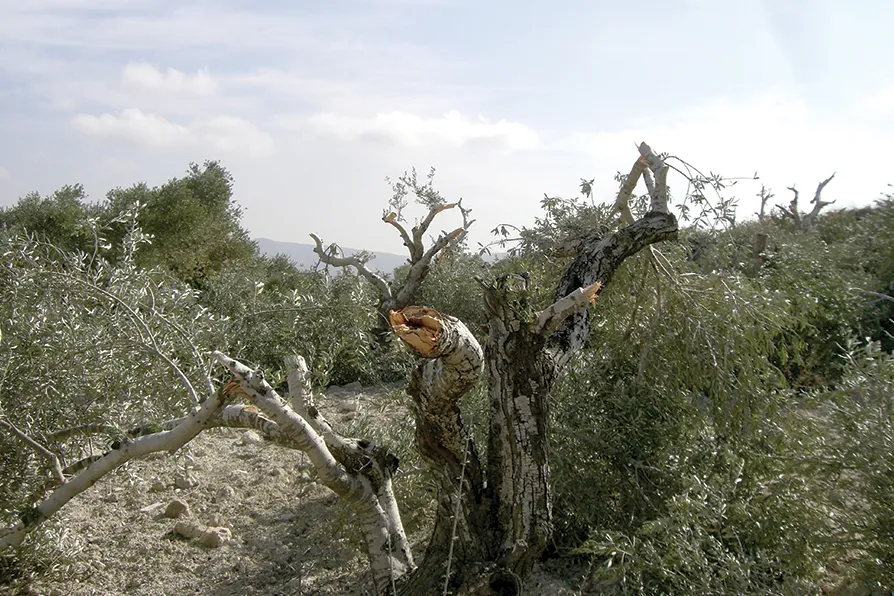
Olive oil remains a vital foundation of food, agriculture and society, storing power in the bonds of solidarity. Though Palestinians are under attack, they continue to press forward write ROX MIDDLETON, LIAM SHAW and MIRIAM GAUNTLETT