While international actors discuss governance and reconstruction, Netanyahu has made it clear that Israel has no intention of ending its military occupation, says RAMZY BAROUD


 Latest editorial
Pics and it didn’t happen
Fraud in Alzheimer’s research raises difficult questions about the current state of science, write ROX MIDDLETON, LIAM SHAW and MIRIAM GAUNTLETT
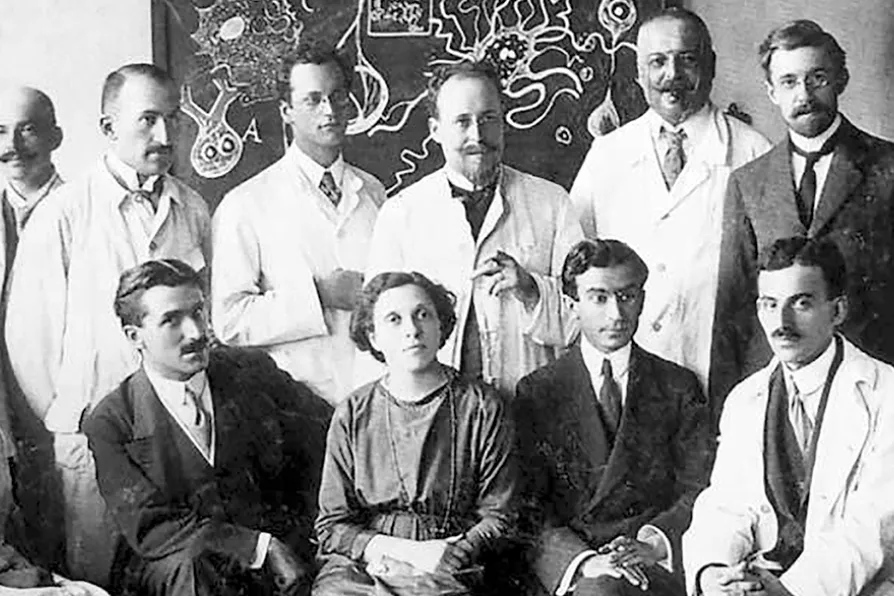 GROUP SUPREMACY: Alois Alzheimer (standing third from right) with his research group at the Nervenklinik in Munich 1909-1910
[Public domainc/CC]
GROUP SUPREMACY: Alois Alzheimer (standing third from right) with his research group at the Nervenklinik in Munich 1909-1910
[Public domainc/CC]

NICK WRIGHT continues his series analysing the trends in European politics
We have the alternative economics, histories of our struggles and the confidence to change the world
General Federation of Trade Unions assistant general secretary HENRY FOWLER reports on the final day from the GFTU’s residential Summer School at the Workers’ Retreat, Quorn Grange Hotel
Capitalism has exploited — and polluted — our natural resources for too long, it’s time we treated our rivers as living beings, writes MIRIUM GAUNTLETT, LIAM SHAW and ROX MIDDLETON
Treating the Clacton by-election as a joke risks reinforcing the Reform leader’s claim to be the victim of an out-of-touch Establishment, argues JOHN McINALLY
MPs and others called for the urgent release of tortured Palestinian doctor, Hussam Abu Safiya, held hostage by Israel and reportedly near death, reports LINDA PENTZ GUNTER



IN MOST cases of peer review, scientists review a paper for free while the publisher makes a huge profit margin. Two of the world’s biggest academic publishers are Springer Nature and Elsevier: their recent profit margins range from 28 to 38 per cent. The fees charged by these publishers are generally paid for by research grants; in Britain, that is mostly public money. The status quo of science is worth a lot of money — for some.
However, not everything that is peer-reviewed is valid. A recent book published this month, Charles Piller’s Doctored, covers the story of fraud in research on Alzheimer’s disease — all of which had been peer-reviewed.
One of the leading theories in the late 20th century about Alzheimer’s was that the accumulation of amyloid proteins was to blame. Amyloids, named after their resemblance to starch molecules, clump together into tangles of gunk in the brain.

Similar stories

Nature as well as society works dialectically, asserts the Marx Memorial Library and Workers’ School
![[Pic: Robina Weermeijer / Creative Commons]](https://www.morningstaronline.co.uk/sites/default/files/styles/desktop/public/2026-07/robina-weermeijer-IHfOpAzzjHM-unsplash.jpg.webp?itok=SymRPaMR)

SUE TURNER is fascinated by a book that researches who the largely immigrant workforce were that built the Empire State
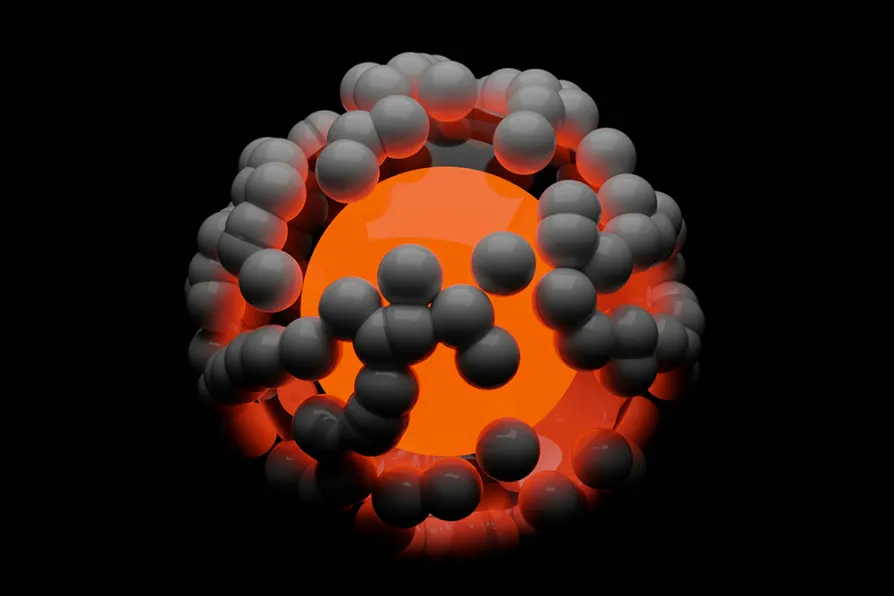
Neutrinos are so abundant that 400 trillion pass through your body every second. ROX MIDDLETON, LIAM SHAW and MIRIAM GAUNTLETT explain how scientists are seeking to know more about them