The Tories introduced the 50% strike ballot threshold to make industrial action harder. MATT WRACK argues that a Labour government has no justification for leaving it on the statute book


 Latest editorial
Never forget: grassroots activism is a crucial driver in securing positive change
It is not in the interests of the Establishment to recognise the impact protest movements have had on everything from gay rights to ecology, but the evidence shows their role is essential, writes IAN SINCLAIR
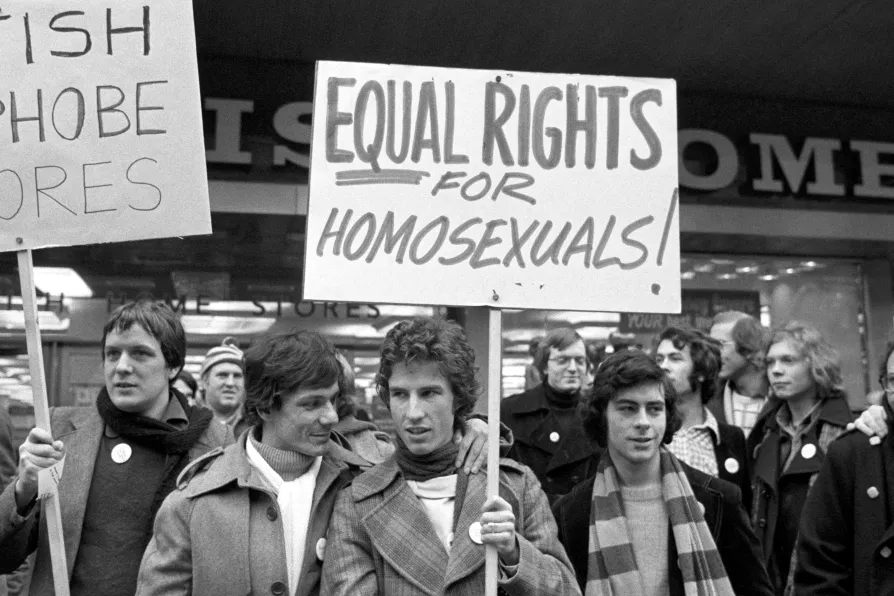 CHANGING TIMES: Tony Whitehead (centre) and his partner John Roman Baker (white scarf) during a protest by gay activists outside British Home Stores, Oxford Street, over Whitehead’s victimisation and dismissal for his sexuality, 1976.
In the wake of Ann Widdecombe’s murder, JOHN GREEN wonders whether the government will really get to grips with the root cause of these attacks on our MPs
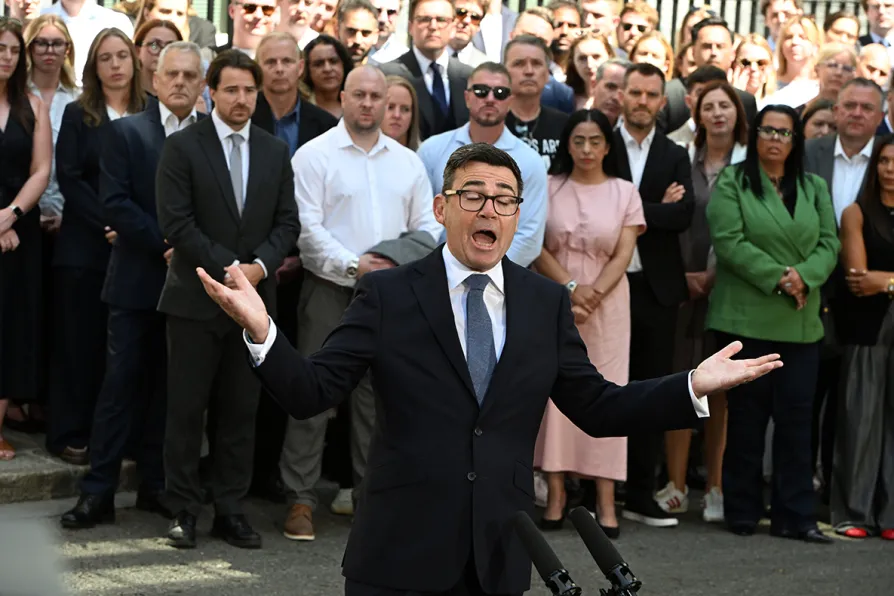
The new PM’s opening addresses offered hope, council homes and reform — but little detail on how any of it will be delivered, warns CLAUDIA WEBBE
Despite the screeching from the right-wing media, Burnham’s speech chimed with the public mood - and socialists should take advantage, says Morning Star editor BEN CHACKO
Scotland's Labour leader cannot continue to evade responsibility for the party's decline, argues LAUREN HARPER
Nature as well as society works dialectically, asserts the Marx Memorial Library and Workers’ School




THE mainstream political culture — from the media to politicians to academia — often has a hard time recognising the decisive role of grassroots activism and protest in securing political change.
For example, last month the Guardian reported on the latest British Social Attitudes survey, noting: “From attitudes to gay sex and single parenting to views on abortion and the role of women in the home, Britain has evolved into a dramatically more liberal-minded country over the past four decades.”
According to the liberal newspaper, the study suggests “the evolution of liberal public attitudes ... have been driven by profound social changes such as more people going to university, more women going out to work and the decline in marriage and organised religion.”

Similar stories

IAN SINCLAIR examines the curious memory lapses across liberal media when it comes to British government crimes

Established as a landmark victory for the climate movement, the CCC promised to hold governments to account. Today, it is understating the danger of climate chaos and impeding the radical action needed, says IAN SINCLAIR

Outrage greeted Donald Trump’s suggestion earlier this year that Britain stayed off the front lines. But evidence suggests our forces were at times pulled from the most dangerous fighting — not by military failure, but by pressure at home, says IAN SINCLAIR

The media present Starmer as staying out of Trump’s war — but we’re already deeply involved in a conflict that sees the US and Israel kill civilians on a huge scale, argues IAN SINCLAIR