The Tories introduced the 50% strike ballot threshold to make industrial action harder. MATT WRACK argues that a Labour government has no justification for leaving it on the statute book


 Latest editorial
Any old iron
New evidence suggests that hunter-gatherer societies smelted iron much earlier than believed, write ROX MIDDLETON, LIAM SHAW and JOEL HELLEWELL
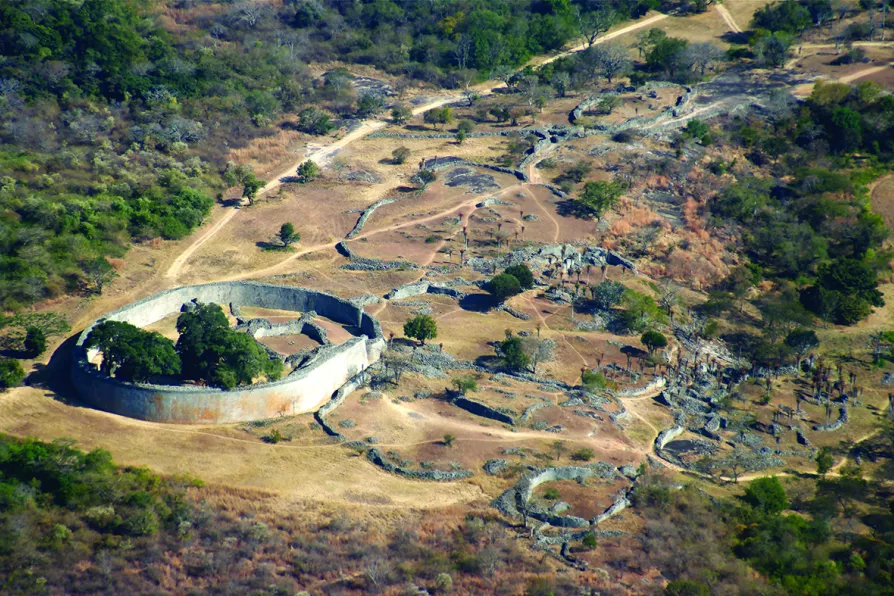 An aerial view of the wall of the great enclosure of Great Zimbabwe
[Janice Bell / Creative Commons]
An aerial view of the wall of the great enclosure of Great Zimbabwe
[Janice Bell / Creative Commons]

In the wake of Ann Widdecombe’s murder, JOHN GREEN wonders whether the government will really get to grips with the root cause of these attacks on our MPs
The new PM’s opening addresses offered hope, council homes and reform — but little detail on how any of it will be delivered, warns CLAUDIA WEBBE
Despite the screeching from the right-wing media, Burnham’s speech chimed with the public mood - and socialists should take advantage, says Morning Star editor BEN CHACKO
Scotland's Labour leader cannot continue to evade responsibility for the party's decline, argues LAUREN HARPER
Nature as well as society works dialectically, asserts the Marx Memorial Library and Workers’ School


THE recent publication of The Dawn of Everything, written by archaeologist David Wengrow and the late anthropologist David Graeber, has prompted debate about the history of human societies.
Graeber and Wengrow argue that popular ideas about what happened in “prehistory” are wrong. It is often assumed that human history has been a linear progression: from small egalitarian bands of hunter-gatherers to farming, to ever-larger societies and eventually “real” civilisation.
The political implication of this view is that, while some sort of small-scale communism was possible in these “pre-political” egalitarian bands, the increasing size of societies led inexorably to inequality and hierarchies.
This political implication, set out memorably by Rousseau, is incorporated into many political views, ranging from the “Enlightenment Now” defence of modernity offered by Steven Pinker to (some) Marxist conceptions of the history of the world before capitalism.

Similar stories

Nature as well as society works dialectically, asserts the Marx Memorial Library and Workers’ School

ANDY HEDGECOCK welcomes an entertaining, useful guide to the threats and promises of mathematical rationality

STEVE ANDREW enjoys an account of the many communities that flourished independently of and in resistance to the empires of old

GORDON PARSONS is enthralled by an erudite and entertaining account of where the language we speak came from