The Tories introduced the 50% strike ballot threshold to make industrial action harder. MATT WRACK argues that a Labour government has no justification for leaving it on the statute book


 Latest editorial
Hard problems for soft robots
Machines have changed how we think about data. Will they make us think differently about matter, ask ROX MIDDLETON, LIAM SHAW and JOEL HELLEWELL
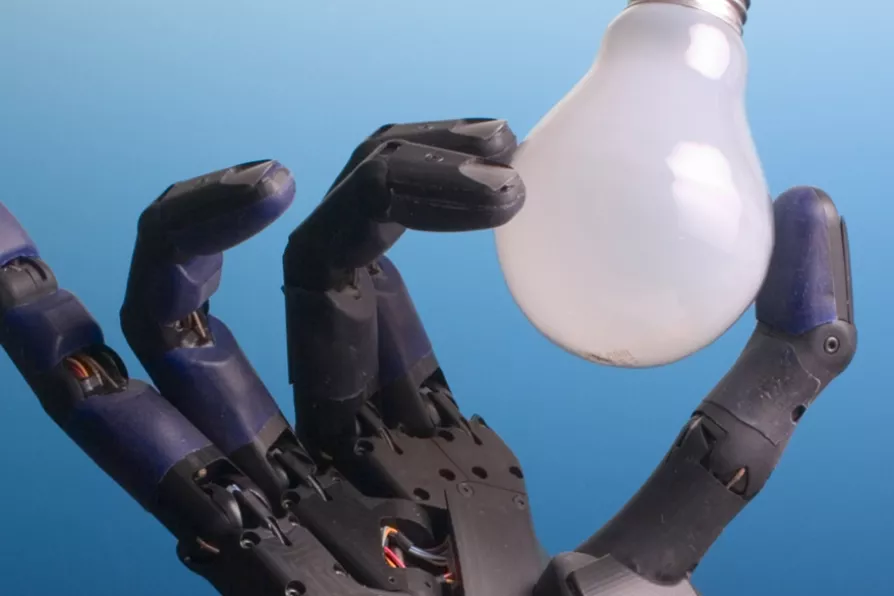 SOFT TOUCH: A Shadow Dexterous Robot Hand holding a lightbulb
[Richard Greenhill and Hugo Elias/Creative Commons]
SOFT TOUCH: A Shadow Dexterous Robot Hand holding a lightbulb
[Richard Greenhill and Hugo Elias/Creative Commons]

In the wake of Ann Widdecombe’s murder, JOHN GREEN wonders whether the government will really get to grips with the root cause of these attacks on our MPs
The new PM’s opening addresses offered hope, council homes and reform — but little detail on how any of it will be delivered, warns CLAUDIA WEBBE
Despite the screeching from the right-wing media, Burnham’s speech chimed with the public mood - and socialists should take advantage, says Morning Star editor BEN CHACKO
Scotland's Labour leader cannot continue to evade responsibility for the party's decline, argues LAUREN HARPER
Nature as well as society works dialectically, asserts the Marx Memorial Library and Workers’ School




ROBOTS are here. They run our lives, they do our jobs, they find our soulmates, they persuade us what to listen to, how to spend our time and money, they teach us, they connect us to other people.
Your phone is a robot, your checkout is a robot, your smart speaker is a robot, your computer is a robot, your electronics are robots, using the internet means using robots to use other robots.
Perhaps calling all of these technologies “robots” is unnecessarily simplifying. It’s not how we imagined the future of machinery when the first automatons of the industrial revolution tumbled clanking and steaming into factories, or how robots were imagined in most visions of the future in sci-fi comics and films. And yet this is what we have made.

Similar stories
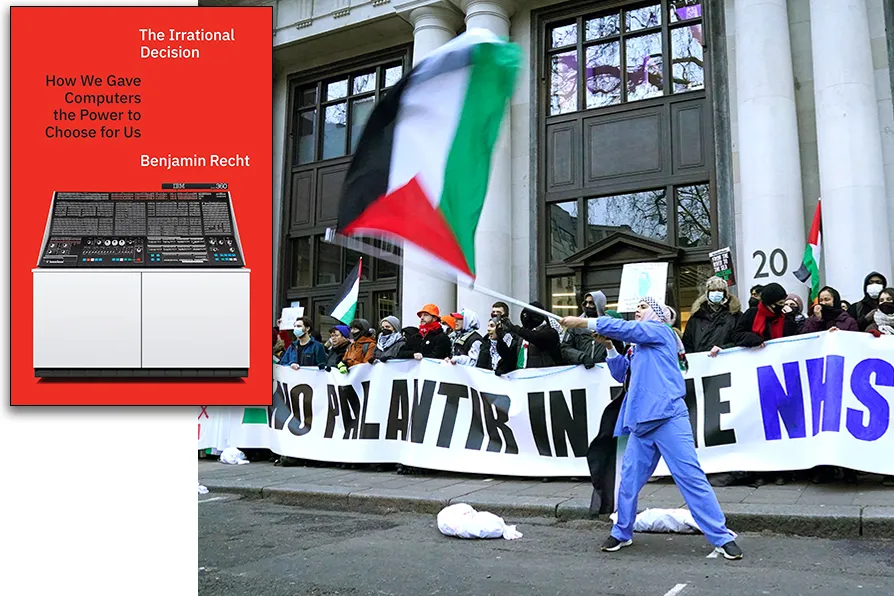
ANDY HEDGECOCK welcomes an entertaining, useful guide to the threats and promises of mathematical rationality
In the second and final part of his article MIKE SCOTT posits that if we don’t control AI while we’ve got the chance, we could be signing the death warrant for our children and grandchildren

MIKE SCOTT assesses the AI threat to jobs in the first of a pair of articles on the problems it poses
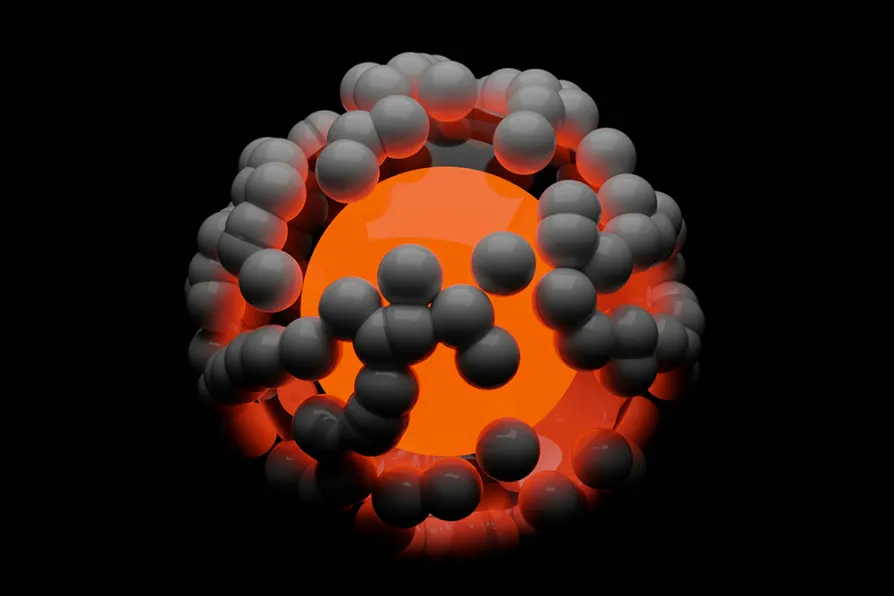
Neutrinos are so abundant that 400 trillion pass through your body every second. ROX MIDDLETON, LIAM SHAW and MIRIAM GAUNTLETT explain how scientists are seeking to know more about them